LEPTIN, STAT3, AND CANCER
In 2015 State Key Laboratory of
Oncogenes and Related Genes, Shanghai Cancer Institute, Renji
Hospital, Shanghai Jiao Tong University School of Medicine, Shanghai,
China were able to us that:
"Emerging evidence has
suggested that leptin, an adipokine related to energy homeostasis,
plays a role in cancer growth and metastasis."
They explain that "Leptin
up-regulated the expression of matrix metalloproteinase-13 (MMP-13)
via the JAK2/STAT3 signaling pathway. The overexpression of leptin was
shown to significantly promote tumor growth and lymph node metastasis
in a subcutaneous model and an orthotopic model of human pancreatic
cancer, respectively. Furthermore, in human pancreatic cancer tissues,
the expression of [leptin's functional receptor] Ob-Rb was positively
correlated with the MMP-13 level."
Leptin up means metastasis up:
"Consistently, we also found
the association of MMP-13 expression with lymph node metastasis and
the pathological stage"
and
"Human MMP-13, also known as
collagenase-3, is a matrix metalloproteinase originally identified in
breast carcinomas. Recent studies have revealed that this enzyme is
also produced by a variety of malignant tumors, including head and
neck, breast and colorectal cancer. In all of the cases, the
expression of MMP-13 is associated with aggressive tumors."
https://www.ncbi.nlm.nih.gov/pmc/articles/PMC4599260/ [426]
Obviously I do not want leptin
to be too high or too low. But people have been regulating leptin with
and without marijuana for thousands of years before 1994.
Its novelty means the current
idea of a "normal" range has been obtained entirely during last 27
years of the unusually wealthy recent anthropocene.
It is increased by the
carbohydrates which have replaced the hunter-gatherer diets with which
early homo sapiens evolved. This trend is discussed in considerable
detail here:
https://bmcendocrdisord.biomedcentral.com/articles/10.1186/1472-6823-5-10#Sec9
[427]
Hugh J Freeman of Vancouver
University:
"Celiac disease may have
developed as a distinct disorder with the transition of
hunter-gatherer groups into human workforces capable of agriculture.
This "Neolithic revolution" is believed to have permitted competitive
survival over other hunter-gatherer groups owing to more secure food
supplies. Over time, celiac disease has emerged as a major clinical
disorder, currently thought on the basis of serological studies to
affect up to about 2% of most genetically-predisposed human
populations."
Celiac keeps popping up in
areas of wheat consumption, faster than could be accounted for by
genetic factors.
https://www.ncbi.nlm.nih.gov/pmc/articles/PMC4282854/ [428]
Battista et al, in their paper
"Altered Expression of Type-1 and Type-2 Cannabinoid Receptors in
Celiac Disease" (2013) investigated CBR mRNA and protein as well as
functional activity levels in the duodenal mucosa of UCD and TCD
patients, and CS, and say:
"Our in vivo data showed that
mRNA and protein levels of both CB1 and CB2 receptors are remarkably
increased in UCD mucosa compared to TCD mucosa and normal mucosa. It
is noteworthy that in TCD patients CB2, but not CB1, levels were
reverted to normal values, pointing to CB2 rather than CB1 as main
molecular target in celiac disease. Moreover, ex vivo experiments on
organ culture confirmed that gluten-induced damage is responsible for
this increase, at least at the protein level."
https://www.ncbi.nlm.nih.gov/pmc/articles/PMC3631143/ [429]
It became clear by 2010 that
The endocannabinoid system links gut microbiota to adipogenesis, and
"that macrophage infiltration is not only dependent on the activation
of the receptor CD14 by lipopolysaccharide, but is also dependent on
the gut microbiota composition and the gut barrier function (gut
permeability). Moreover, LPS controls the synthesis of eCBs both in
vivo and in vitro through mechanisms dependent of the LPS receptor
signalling pathway. Thus, obesity is nowadays associated with changes
in gut microbiota and a higher endocannabinoid system tone, both
having a function in the disease's pathophysiology." [Fig. 2, see ecb
controls gut]
"in vivo experiments strongly
suggest that an overactive eCB system increases gut permeability."
"we measured AEA levels and
FAAH [Fatty acid amide hydrolase, an enzyme that breaks down
anandamide] mRNA expression in adipose tissue. Prebiotics strongly
decreased AEA levels and tended to increase FAAH mRNA levels (Figure
6C), further supporting the link between changes in gut microbiota and
modulation of the eCB system."
"Blocking the CB1 receptor in
obese mice also ameliorated gut barrier function as shown by improved
distribution....CB1 activation increased gut permeability markers in
vivo and in vitro. This demonstration that CB1 receptors control gut
permeability suggests a new eCB system-dependent mechanism in the
pathogenesis of obesity-associated inflammation (systemic and
hepatic)."
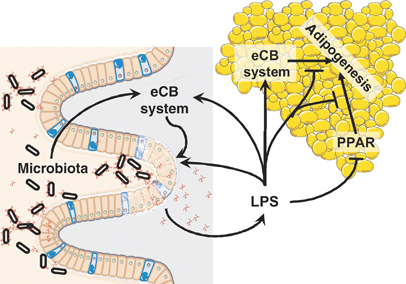
"eCB system-LPS crosstalk
participates in the regulation of adipogenesis by gut microbiota.
Activation of the eCB system in the intestine (e.g. through gut
microbiota) increases gut permeability, which enhances plasma LPS
levels. This exacerbates gut barrier disruption and peripheral eCB
system tone in both the intestine and adipose tissues. Increased fat
mass results in enhanced eCB system tone. LPS inhibits both
PPAR-induced and cannabinoid ligand-induced adipogenesis. Overall, the
impairment of these regulatory loops within colon and adipose tissues
found in obesity perpetuates the initial disequilibrium, leading to a
vicious cycle. This cycle maintains the increased gut permeability,
eCB system tone, adipogenesis and fat mass development that
characterise obesity."
"it is clear that genetic or
pharmacological blockade of the CB1 cannabinoid receptor protects
against the development of obesity"
https://www.embopress.org/doi/full/10.1038/msb.2010.46 [430]
A paper about allosteric as
opposed to orthosteric binding to CB receptors.
https://molpharm.aspetjournals.org/content/94/1/743 [1943]
"Studies have emphasized that
gut microbiota modulates the intestinal eCB system tone, which, in
turn, regulates gut permeability and plasma LPS, and is able to
stimulate peripheral endocannabinoids in the gut and adipose tissue.
This hyperactivity of the CB1 receptor increases the permeability of
the gut barrier, favoring the translocation of more LPS into the
bloodstream, which will further stimulate the eCB system, generating a
cycle in which both remain altered. In adipose tissue, eCB disturbance
leads to adipogenesis, contributing to the accumulation of body fat
and, consequently, obesity. LPS and eCB regulate, in different ways,
the apelinergic system in adipose tissue, reducing the secretion of
apelin and the expression of its AP1 receptor. The apelinergic system
plays a role in energy and glycemic homeostasis. Thus, gut microbiota
seems to play a significant role in controlling the endocannabinoid
system and, consequently, as modulators of obesity and energy
homeostasis."
"In a mice model, it was
observed that increasing the percentage of linoleic acid (18:2 n-6) in
the diet led to increased levels of 2-AG and AEA, which are derived
from arachidonic acid (20:4 n-6), which, in turn, is formed from
linoleic acid in the body."
"dietary lipids can modulate
eCB system tone."
https://www.intechopen.com/chapters/63663 [431]
Yap et al (2026) add some "In silico insights on the binding site and
function of cannabinoids and cannabinoid acids on human 5-HT1A
receptor", finding that
"CBD, CBG and CBGa are potential partial agonists of 5-HT1A receptor.
CBD, CBG and CBGa may compete with orthosteric ligand for binding.
CBDa, THCV and THCVa are potential allosteric modulators of 5-HT1A
receptor.
CBDa, THCV and THCVa can block the exit of orthosteric ligand from its
binding site.
MD + 7TM Open IC can accurately predict the activity of 5-HT1A binding
ligands."
https://www.sciencedirect.com/science/article/pii/S1093326325002463
[5469]
However, and since we must
allow alcoholics their freedom to drink, excess gut permeability may
be undesirable in the progression of liver disease:
"Liver disease is often times
associated with increased intestinal permeability. A disruption of the
gut barrier allows microbial products and viable bacteria to
translocate from the intestinal lumen to extraintestinal organs. The
majority of the venous blood from the intestinal tract is drained into
the portal circulation, which is part of the dual hepatic blood
supply. The liver is therefore the first organ in the body to
encounter not only absorbed nutrients, but also gut-derived bacteria
and pathogen associated molecular patterns (PAMPs). Chronic exposure
to increased levels of PAMPs has been linked to disease progression
during early stages and to infectious complications during late stages
of liver disease (cirrhosis)."
https://www.ncbi.nlm.nih.gov/pmc/articles/PMC4451427/ [432]
As, in the seventeenth year of the ZPPPD,
Slovenia went from pretending cannabinoids had no medical uses to
pretending only one cannabinoid had only one medical use, to carry on
generating excuses to confiscate people's money, protect big pharma,
and churn profits for its law businesses at the expense of drinkers'
lives, Wang et al (2017) showed in binge drinking mice that
"Cannabidiol attenuates alcohol-induced liver steatosis, metabolic
dysregulation, inflammation and neutrophil-mediated injury",
explaining that:
"Herein, we investigated the effects of CBD on
liver injury induced by chronic plus binge alcohol feeding in mice.
CBD or vehicle was administered daily throughout the alcohol feeding
study. At the conclusion of the feeding protocol, serums samples,
livers or isolated neutrophils were utilized for molecular biology,
biochemistry and pathology analysis. CBD significantly attenuated the
alcohol feeding-induced serum transaminase elevations, hepatic
inflammation (mRNA expressions of TNFα, MCP1, IL1β, MIP2
and E-Selectin, and neutrophil accumulation), oxidative/nitrative
stress (lipid peroxidation, 3-nitrotyrosine formation, and expression
of reactive oxygen species generating enzyme NOX2). CBD treatment also
attenuated the respiratory burst of neutrophils isolated from chronic
plus binge alcohol fed mice or from human blood, and decreased the
alcohol-induced increased liver triglyceride and fat droplet
accumulation. Furthermore, CBD improved alcohol-induced hepatic
metabolic dysregulation and steatosis by restoring changes in hepatic
mRNA or protein expression of ACC-1, FASN, PPARα, MCAD,
ADIPOR-1, and mCPT-1."
Note: mast cell protease 1 has no direct
homolog in humans.
https://pmc.ncbi.nlm.nih.gov/articles/PMC6554654/ [5735]
De Ternay et al (2019) agreed CBD reduces
hepatic alcohol damage:
"CBD modulated the ethanol-induced
dysregulation of numerous genes and proteins involved in metabolism
and liver steatosis, such as key genes of fatty acid biosynthetic and
oxidation pathway, mitochondrial pathway, and transcription factor
PPAR-α. Furthermore, in the ethanol-fed mice group, CBD
attenuated hepatic neutrophils infiltration, oxidative and nitrative
stress, decreased several markers of liver inflammation such as
TNF-α, the expression of adhesion molecule E-selectin,
proinflammatory chemokine and cytokines, and thus, attenuated liver
injury induced by chronic plus binge ethanol exposure."
De Ternay et al review evidence in three areas
of CBD benefit in AUD: reduction of drinking, modulation the
inflammatory processes in the liver, and reduction of alcohol-related
brain injury [ARBI]. Additionally, they say, CBD can reduce
alcohol-related seizures, anxiety, and chronic pain. [1921]
Erukainure et al (2021) stirred up further
evidence by using whole plant extracts to produce "Cannabis sativa L.
(var. indica) Exhibits Hepatoprotective Effects by Modulating Hepatic
Lipid Profile and Mitigating Gluconeogenesis and Cholinergic
Dysfunction in Oxidative Hepatic Injury":
"This study sought to investigate the hepatoprotective effect of C.
sativa on iron-mediated oxidative hepatic injury. Hepatic injury was
induced ex vivo by incubating hepatic tissues with Fe2+, which led to
depleted levels of reduced glutathione, superoxide dismutase, catalase
and ENTPDase [ecto-nucleoside triphosphate diphosphohydrolase]
activities, triglyceride, and high-density lipoproteincholesterol
(HDL-C). Induction of hepatic injury also caused significant elevation
of malondialdehyde, nitric oxide, cholesterol, and low-density
lipoproteincholesterol (LDL-C) levels while concomitantly elevating
the activities of ATPase, glycogen phosphorylase,
glucose-6-phosphatase, fructose-1,6-bisphosphatase, amylase, and
lipase. Treatment with the hexane, dichloromethane (DCM), and ethanol
extracts of C. sativa leaves significantly (p < 0.05) reversed
these levels and activities to almost near normal. However, there was
no significant effect on the HDL-C level. The extracts also improved
the utilization of glucose in Chang liver cells. High-performance
liquid chromatography (HPLC) analysis showed the presence of phenolics
in all extracts, with the ethanol extract having the highest
constituents. Cannabidiol (CBD) was identified in all the extracts,
while Δ-9-tetrahydrocannabinol (Δ-9-THC) was identified in
the hexane and DCM extracts only. Molecular docking studies revealed
strong interactions between CBD and Δ-9-THC with the β2
adrenergic receptor of the adrenergic system. The results demonstrate
the potential of C. sativa to protect against oxidative-mediated
hepatic injury by stalling oxidative stress, gluconeogenesis, and
hepatic lipid accumulation while modulating cholinergic and purinergic
activities. These activities may be associated with the synergistic
effect of the compounds identified and possible interactions with the
adrenergic system."
https://pmc.ncbi.nlm.nih.gov/articles/PMC8724532/ [5737]
Gojani et al (2023) on the other hand took a reductive approach,
examining specific CCx:
"Our findings indicate that all five phytocannabinoids reduce
HG-HL-induced -cell loss likely through reducing apoptosis and
pyroptosis. The protective effects of CBD, THCV, CBC, and CBN were
seen in the GSIS impairment by HG-HL. Although all five
phytocannabinoids tested in this research demonstrated the capability
to inhibit β-cell dedifferentiation induced by HG-HL, CBD seems
to be more effective compared to the other phytocannabinoids, as
indicated by the specific biomarker responses of β-cells and
progenitor cells to CBD."
https://www.preprints.org/manuscript/202309.0973 [5736]
Walsh et al (2021) would like us to know that:
"Unlike the
continuous cellular synthesis and storage of neurotransmitters and
neuropeptides, AEA and 2-AG are produced through 'on demand' cleavage
of NAPE and PIP2. This provides for a temporal- and
localization-dependent release of the endocannabinoids (Lu and Mackie,
2016). The actions of AEA and 2-AG are terminated following their
cellular uptake and degradation by intracellular hydroxylase [fatty
acid amide hydrolase (FAAH)] (for AEA) and lipase enzymes
(monoacylglycerol lipase) (for 2-AG). Therefore, drugs that inhibit
the cellular uptake of AEA and 2-AG or prevent their enzymatic
degradation should result in a potentiation of endocannabinoid
action."
https://www.ncbi.nlm.nih.gov/pmc/articles/PMC8669157/ [854]
"Chemopreventive effect of the
non-psychotropic phytocannabinoid cannabidiol on experimental colon
cancer" is the subject of a 2012 paper by Aviello et al when
"...we investigated its
possible chemopreventive effect in the model of colon cancer induced
by azoxymethane (AOM) in mice. AOM treatment was associated with
aberrant crypt foci (ACF, preneoplastic lesions), polyps, and tumour
formation, up-regulation of phospho-Akt, iNOS and COX-2 and
down-regulation of caspase-3. Cannabidiol-reduced ACF, polyps and
tumours and counteracted AOM-induced phospho-Akt and caspase-3
changes. In colorectal carcinoma cell lines, cannabidiol protected DNA
from oxidative damage, increased endocannabinoid levels and reduced
cell proliferation in a CB(1)-, TRPV1- and PPARγ-antagonists
sensitive manner. It is concluded that cannabidiol exerts
chemopreventive effect in vivo and reduces cell proliferation through
multiple mechanisms."
https://pubmed.ncbi.nlm.nih.gov/22231745/ [3685]
"Cannabidiol Targets Colorectal
Cancer Cells via Cannabinoid Receptor 2, Independent of Common
Mutations" say Moniruzzaman et al (2025):
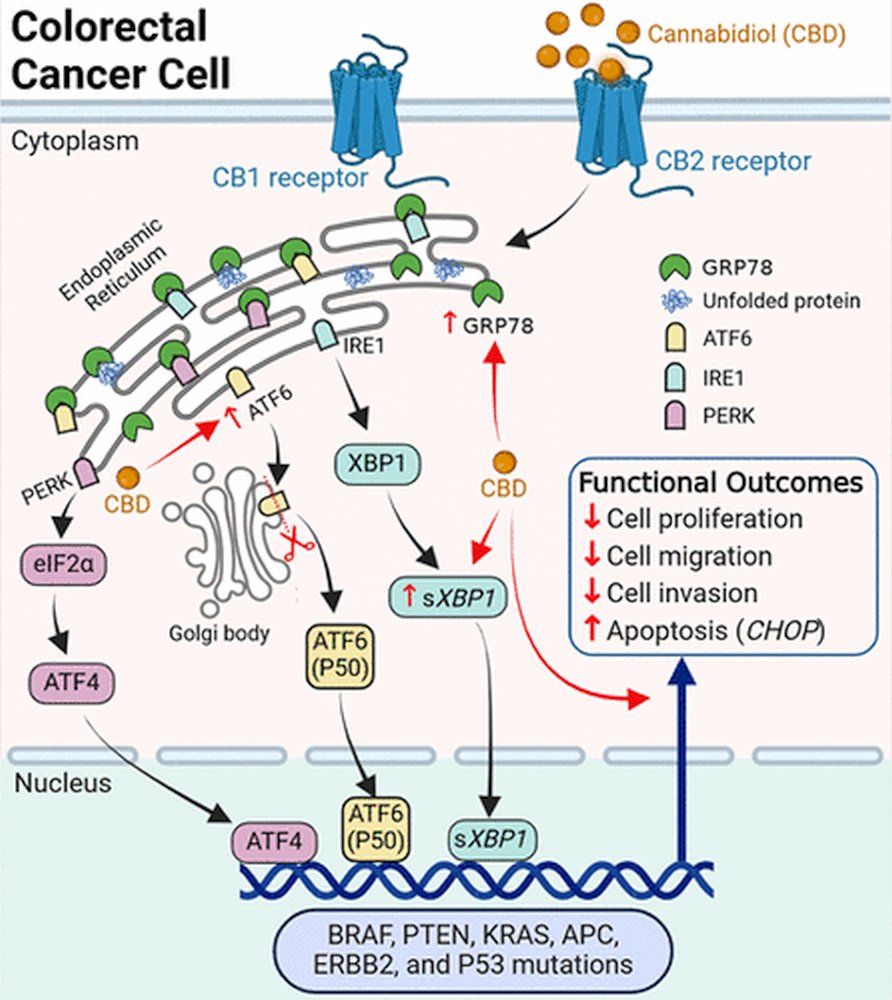
"Our results demonstrate that
CBD induces apoptosis and halts proliferation, migration, and invasion
of CRC cell lines in a concentration-dependent manner. CBD showed
potent antitumor effects in the tested cell lines with no obvious
effect from different mutations such as KRAS, BRAF, APC, PTEN, etc.
CBD also induced ER stress in CRC cells but not in healthy intestinal
organoids. Cotreatment with SR144528 inhibited the effects of
indicating involvement of CB2 receptor activation in the anticancer
effects of CBD. Together, these results demonstrated that CBD could be
effective for CRC regardless of the underlying mutation through CB2
receptor activation."
https://pubs.acs.org/doi/full/10.1021/acsptsci.4c00644 [3951]
That 2008 study is "The
Cannabinoid Delta-9-tetrahydrocannabinol Mediates Inhibition of
Macrophage Chemotaxis to RANTES/CCL5: Linkage to the CB2 Receptor."
It found that pretreatment with THC significantly inhibited the
chemotactic response of murine peritoneal macrophages to RANTES/CCL5,
an effect reversed by the CB2 receptor-specific antagonist SR144528,
confirming the mechanism runs through the CB2 receptor.
https://link.springer.com/article/10.1007/s11481-007-9077-z
[6853]
Vago et al at the San Raffaele Scientific Institute, Milan have a
subheading in their paper entitled "The Mediterranean Diet as a Source
of Bioactive Molecules with Cannabinomimetic Activity in Prevention
and Therapy Strategy" (2022):
"Modulation of the ECS Alters
the Microbiota Composition
"Recent studies have proven
that targeting the ECS directly can lead to an alteration in the
composition of the gut microbiota in favor of species with a positive
impact on health. It was seen that the microbiota and the
endocannabidiome cooperate in a series of intertwined pathways, which,
when disrupted, can worsen preexisting low-grade inflammation and
insulin resistance in obese patients. The involvement of CB1 in
intestinal and metabolic homeostasis has been studied in detail,
identifying its antagonism as a possible way to improve gut barrier
function. A higher ECS tone has been associated with an increase in
gut permeability and treatment with a CB1 agonist HU-210 induced, as a
consequence, severe metabolic disturbances such as glucose
intolerance, lipid accumulation in the muscle and endotoxemia. Bahrami
et al. have proven for the first time that CB1 blockade improves
colonic inflammation, systemic inflammation and insulin resistance in
diet-induced obesity (DIO) mice fed with a high-fat diet and treated
with Rimonabant (SR141716A), a CB1 antagonist. Interestingly, CB1
antagonist administration also altered the gut microbiota composition
in favor of more protective species such as Akkermansia muciniphila,
which is known to ameliorate DIO and diabetes parameters such as
endotoxemia, adiposity, glucose metabolism and insulin resistance when
transferred live in mouse models. This species' abundance was
suggested to be restored as a consequence of increased expression of
MUC2, a transcription factor in charge of host mucin production
regulation. Mucin is the main nutrient source for A. muciniphila and
is essential for its growth. These outcomes were demonstrated to be
rimonabant administration-dependent in obese mice and were also proven
to be independent from caloric restriction and weight loss. In
addition to increased abundance in A. muciniphila, the authors
observed a decrease in the Lachnospiraceae and Erysipelotrichaceae
families. This is a significant finding, as these two bacterial
families belonging to the Firmicutes phylum are thought to be involved
in weight gain and metabolic syndrome induction, but also in diabetes
and inflammation-related GI disorders. What appears to make the link
between CB1 antagonism and gut microbiota even stronger is the
increased production of butyric and propionic acid evaluated by
Bahrami et al. by conducting gas chromatography on the mice's cecal
material. This increased production of short chain fatty acids can be
explained by an increased abundance of beneficial butyrogenic and
propionogenic species following the administration of Rimonabant. A.
muciniphila is a prominent example of this statement, as propionic
acid is its main metabolite. This interpretation, however, remains a
hypothesis, as the authors believe the effects that Rimonabant had on
the composition of the gut microbial community in toto could be
secondary to its effect on the inflammatory state, which then led to a
change in the environmental characteristics of the intestine."
They add:
"Markey et al. explored the
impact of Candida albicans on the gut-brain axis and its ability to
dysregulate the balance of the ECS. It has been seen that C. albicans
colonization, while protecting the gut's health against pathobionts,
induces an AEA-CB1 deficit which increases both stress-induced and
basal corticosterone production related to anxiety-like behavior. By
administering a FAAH blocker (URB597) to C. albicans colonized mice,
the trend was reversed, while no effect was noted in mock-colonized
mice. K-means cluster analysis supported the hypothesis that the AEA
deficit was responsible for the changes in behavior, which was further
proven by the increased abundance of two other NAEs (linoleoyl and
linoleoyl ethanolamine) in the cecum of C. albicans colonized mice.
The authors explain that the change in precursor abundance in the GI
tract noticed through feeding studies could contribute to the
alterations in AEA levels that were observed in this study. Despite
not being involved in the lifestyle-related diseases that are in study
in this review, this is an example of how there could be undiscovered
links between certain species of the microbial community and a
healthier ECS equilibrium. While Markey et al. showed that Candida
albicans alone seems to have the ability to modulate the ECS, Lacroix
et al. showed that there is a strong time-dependent association
between the abundance of several bacterial genera of the intestinal
microbiota and the concentration of AEA and 2-AG in the ileum and
plasma of high-fat high sugar (HFHS) diet-fed mice. This study also
showed a decrease in CB2 expression in the early stages of the HFHS
diet, which could have shifted the ECS mediator profile to
preferential binding to CB1, which then increased intestinal
permeability, inflammation, insulin resistance and may have led to a
subsequent change in the composition of the microbiota. It is
undeniable that there are numerous undiscovered details that need to
be clarified by future studies, but these observations confirm that
there is some kind of cooperation between single microorganism species
that, each with its own metabolism, can contribute to a healthy gut
environment by acting on the ECS."
https://www.ncbi.nlm.nih.gov/labs/pmc/articles/PMC8839035/
[1014]
As Farooqi et al were to remind the medical profession in 2023 in the
context of endometriosis:
"Endocannabinoids and exogenous cannabinoids exert opposite effects on
gut permeability. For instance, when examining decreased permeability
as a result of inflammation, it was demonstrated that 2-AG and AEA
increased permeability, while THC and CBD decreased permeability." [5496]
Compare this to the state of knowledge fifteen years after General
Smuts' gift to the world, when there was no concept of lipids as
messengers. Chapter 46 of Bainbridge and Menzies' Essentials of
Physiology 9th edition (1940) "Intestinal Digestion and Absorption"
makes no special mention of gut commensals and the process is treated
as if a machine, almost without life. The most that could be discerned
about drug influences on peristalsis was that:
"Peristalsis
continues in a normal fashion when all the nerves passing from the
central nervous system have been divided, but it is abolished by
painting the wall of the intestine with cocaine or nicotine, which
puts the myoneural plexuses of Auerbach and Meissner out of action."
Bainbridge and Menzies'
Essentials of Physiology 9th edition, 1940 [380]
But these were the Dark Ages of
lipid biochemistry. The lipid hypothesis became lost in the hedgerows:
"Nikolai Anitschkow that laid
the foundation of what would later be termed the lipid hypothesis, or
the concept that elevated blood cholesterol concentrations induced
atherosclerosis. He showed that feeding rabbits purified cholesterol
raised blood cholesterol levels and induced atherosclerotic lesion
formation, and that the extent of atherosclerosis was proportional to
the absolute amount of and length of exposure to high blood
cholesterol. In contrast, similar experiments in dogs and rats did not
elicit a similar response, results that lent skepticism to the lipid
hypothesis. The inability to induce atherosclerosis in these species
was later found to be due to their relative resistance to diet-induced
hypercholesterolemia."
https://www.jlr.org/article/S0022-2275(20)35387-6/fulltext
[1724]
Daniel Steinberg in a history
of the cholesterol controversy elaborates:
"Cholesterol feeding in these
species [dogs and rats] failed to induce lesions. So, understandably,
these investigators concluded that Anitschkows results must reflect
some peculiarity of the rabbit. After all, it is a strict herbivore
that normally has zero cholesterol intake and a very low fat intake.
The rabbit model was dismissed as irrelevant to human disease. What
was not appreciated was the fact that rats and dogs, unlike rabbits,
are very efficient in converting cholesterol to bile acids.
Consequently, even on very high cholesterol intakes the blood
cholesterol in these species does not increase appreciably."
and
"During World War II, Cohn et
al. and Oncley, Scatchard, and Brown at Harvard developed elaborate
largescale methods for fractionating human serum to provide materials
useful in treating the wounded. In the course of those systematic
studies, they found that the lipids of serum were concentrated in two
major fractions having α- and β-mobility, respectively."
To help us position the state
of ignorance at this time in the context of the conquest of cannabis,
Steinberg goes on to explain that at this time (i.e. after the
League's last health investigation in 1935, after Reefer Madness came
out (1936), after the Marijuana Tax Act 1937, and after the war was
over) as far as these major fractions were concerned
"...nothing was known about
their origin, their fate, or their biological significance."
https://www.jlr.org/article/S0022-2275(20)31274-8/pdf [1725]
What did the authors of the
1925 treaty and the 1961 SCND know about the effects of cannabinoids
on bile acids and hypercholesteremia?
After some rather unpleasant
experiments in dogs, in 1922 G. H. Whipple of the School of Medicine
and Dentistry, University of Rochester, N. Y, writes:
"Evidently there is a mechanism
in the normal animal which controls the production and destruction of
bile salts within certain limits but this is a complete mystery."
https://journals.physiology.org/doi/pdf/10.1152/physrev.1922.2.3.440
[2045]
"In his seminal early paper
(published in Dutch), [Cornelis] de Langen described clinical
relationships among diet, serum cholesterol, and atherosclerosis: '. .
. a cholesterol-rich diet and severe metabolic diseases, such as
diabetes, obesity, nephritis, and arteriosclerosis, are associated
with hypercholesterolemia.'"
de Langen (1916) is credited
with the first credible epidemiological investigation of the role of
cholesterol in atherosclerosis, although it went mostly unnoticed.
Similar findings seemed to confirm his Diet-Heart theory in 1940.
http://www.epi.umn.edu/cvdepi/essay/cornelis-de-langen-diet-heart-theory-1916/
[2955]
Ancel Keys took the anti-fat
crusade to town on behalf of the sugar and carbohydrate industries.
But the debate rages on, as experimental design improved. For example
"The fallacies of the lipid hypothesis" by Uffe Ravnskov in the
Scandinavian Cardiovascular Journal, the author found as many or more
than 50% of the relevant studies showed:
"High cholesterol may be
beneficial
By 1992, a meta-analysis of 19
cohort studies including more than 600 000 men and women from many
countries had found that cholesterol was inversely associated with
mortality from respiratory and digestive diseases, most of which were
of an infectious origin. The observation was in line with a large
number of epidemiological, laboratory and experimental studies showing
that high cholesterol protects against infections. The main effect
seems to be exerted by the LDL molecule."
https://www.tandfonline.com/doi/full/10.1080/14017430801983082
[2956]
In 2005 Mielke et al cast
further doubt on the alleged evils of cholesterol:
"Neuropsychiatric,
anthropometric, laboratory, and other assessments were conducted for
392 participants of a 1901 to 1902 birth cohort first examined at age
70. Follow-up examinations were at ages 75, 79, 81, 83, 85, and 88.
Information on those lost to follow-up was collected from case
records, hospital linkage system, and death certificates. Cox
proportional hazards regression examined lipid levels at ages 70, 75,
and 79 and incident dementia between ages 70 and 88.
"Results: Increasing
cholesterol levels (per mmol/L) at ages 70 (hazard ratio [HR] 0.77,
95% CI: 0.61 to 0.96, p = 0.02), 75 (HR 0.70, CI: 0.52 to 0.93, p =
0.01), and 79 (HR 0.73, CI: 0.55 to 0.98, p = 0.04) were associated
with a reduced risk of dementia between ages 79 and 88. Examination of
cholesterol levels in quartiles showed that the risk reduction was
apparent only among the highest quartile at ages 70 (8.03 to 11.44
mmol/L [311 to 442 mg/dL]; HR 0.31, CI: 0.11 to 0.85, p = 0.03), 75
(7.03 to 9.29 mmol/L [272 to 359 mg/dL]; HR 0.20, CI: 0.05 to 0.75, p
= 0.02), and 79 (6.82 to 9.10 mmol/L [264 to 352 mg/dL]; HR 0.45, CI:
0.17 to 1.23, p = 0.12). Triglyceride levels were not associated with
dementia."
https://www.neurology.org/doi/10.1212/01.WNL.0000161870.78572.A5?url_ver=Z39.88-2003&rfr_id=ori:rid:crossref.org&rfr_dat=cr_pub%20%200pubmed
[4788]
By 2023 the certainties of the
previous century were undone. The title "A short history of saturated
fat: the making and unmaking of a scientific consensus" speaks for
itself.
Ignoring de Langen, it claims
"The diet-heart hypothesis was
first proposed in the 1950s by Ancel Keys".
and says
"The idea that saturated fats
cause heart disease, called the diet-heart hypothesis, was introduced
in the 1950s, based on weak, associational evidence. Subsequent
clinical trials attempting to substantiate this hypothesis could never
establish a causal link. However, these clinical-trial data were
largely ignored for decades, until journalists brought them to light
about a decade ago. Subsequent reexaminations of this evidence by
nutrition experts have now been published in >20 review papers,
which have largely concluded that saturated fats have no effect on
cardiovascular disease, cardiovascular mortality or total mortality.
The current challenge is for this new consensus on saturated fats to
be recognized by policy makers, who, in the United States, have shown
marked resistance to the introduction of the new evidence. In the case
of the 2020 Dietary Guidelines, experts have been found even to deny
their own evidence. The global re-evaluation of saturated fats that
has occurred over the past decade implies that caps on these fats are
not warranted and should no longer be part of national dietary
guidelines. Conflicts of interest and longstanding biases stand in the
way of updating dietary policy to reflect the current evidence."
Among the revelations by The
Nutrition Coalition founder Nina Teicholz:
"By the late 1960s, a bias in
favor of the diet-heart hypothesis was strong enough that researchers
with contrary results found themselves unable or unwilling to publish
their results. For instance, the largest test of the diet-heart
hypothesis, the Minnesota Coronary Survey, involving 9057 men and
women over 4.5 years, tested a diet of 18% saturated fat against
controls eating 9%, yet did not find any reduction in cardiovascular
events, cardiovascular deaths, or total mortality. Although the study
had been funded by the NIH, the results were not published for 16
years, after the principal investigator, Ivan Frantz, had retired.
Frantz is reported to have said that there was nothing wrong with the
study; We were just disappointed in the way it came out. Frantz's
decision not to publish his results in a timely manner resulted in
these contradictory data not being considered for another 40 years."
and concludes
"Until the recent science on
saturated fats is incorporated into the U.S. Dietary Guidelines, the
policy on this topic cannot be seen as evidence-based."
https://www.ncbi.nlm.nih.gov/pmc/articles/PMC9794145/ [2957]
Another revelation concerns the
AHA:
"'The 1961 AHA advice to limit
saturated fat is arguably the single-most influential nutrition policy
ever published, as it came to be adopted first by the U.S. government,
as official policy for all Americans, in 1980, and then by governments
around the world as well as the World Health Organization.'"
...
"However, they were paid off to
distribute this information. The AHA accepted $20 million (in today's
dollars) in funding from Procter & Gamble, a corporation that
conveniently makes and sells Crisco Oil. The AHA recommended that
everyone replace butter with 'heart healthy' alternatives like
vegetable oil or Crisco Oil."
...
"It's no wonder more people
than ever are skeptical of public health organizations and mainstream
experts who claim to possess the final word on health and nutrition,
when there is so much proof that information has been censored and
even doctored in order to push a certain message that will help
corporations like Procter & Gamble become richer and richer."
https://www.eviemagazine.com/post/american-heart-association-was-paid-procter-gamble-heart-disease-saturated-fat-seed-oils-sugar
[4490]
Joy Y Kiddie MSc, RD shared
some 1976 handouts from Procter and Gamble, who had tried to invent
soap using waste cottonseed oil and ended up inventing Crisco
shortening, in 1911.
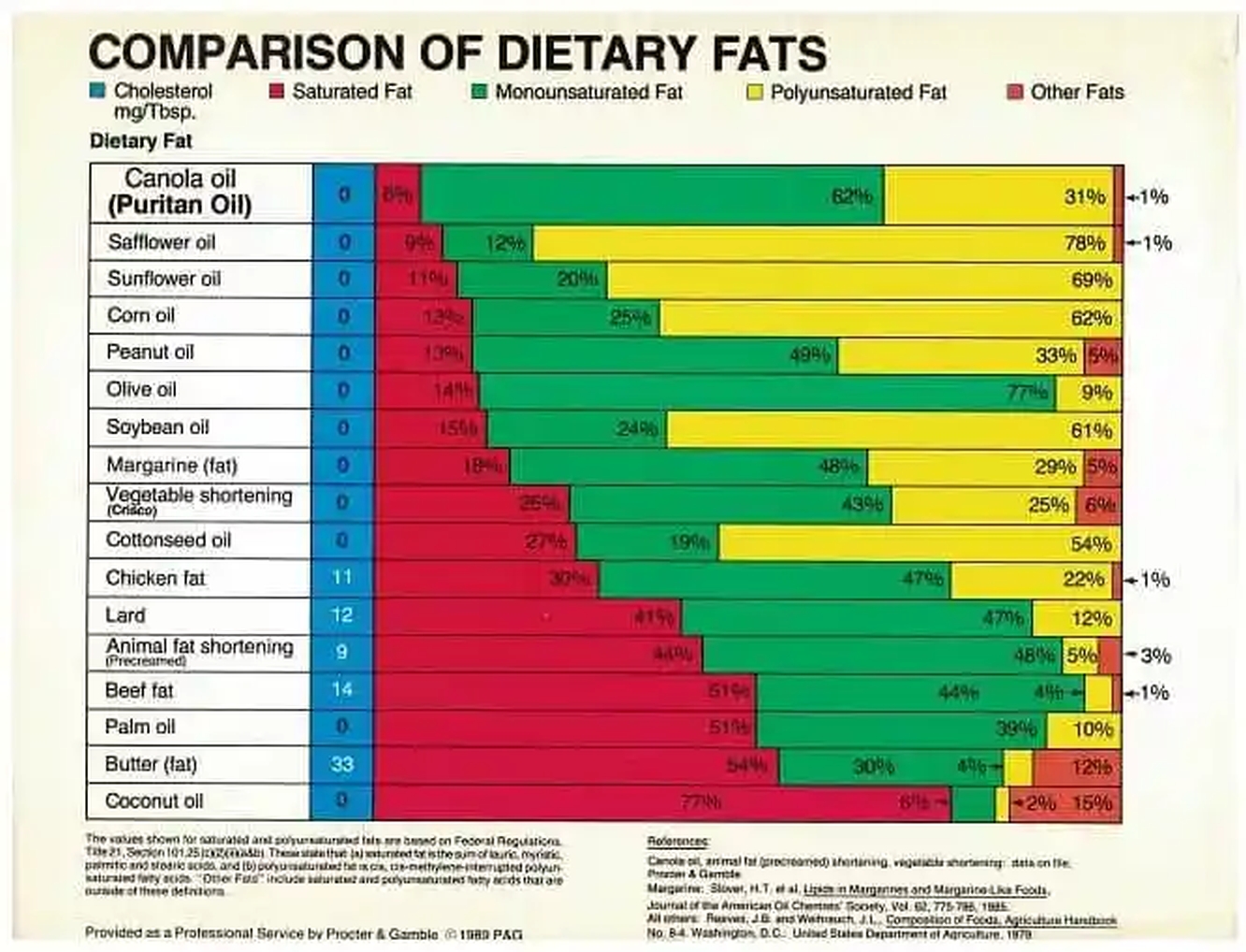
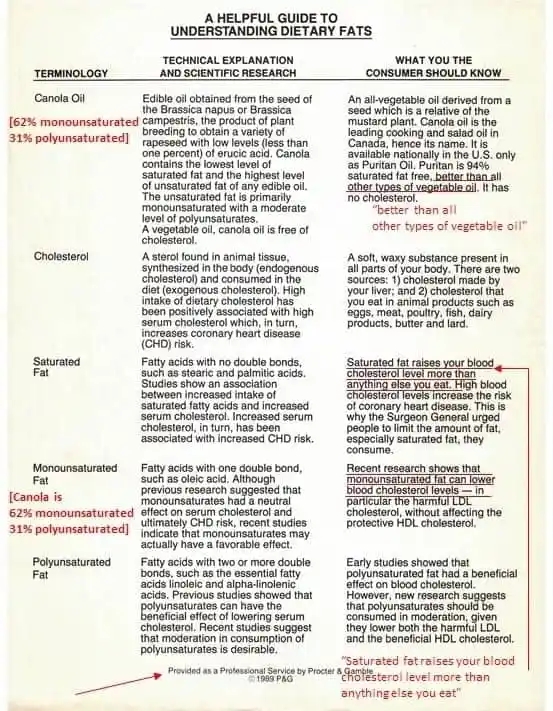
"Looking back on the role of
fat manufacturers and the sugar industry (outlined in the preceding
article) on which foods were recommended and promoted, it makes me
question what I was taught and who affected what I was taught. Given
that it was known at the time the sugar industry funded the
researchers that implicated saturated fat as the alleged cause of
heart disease, I wonder what we dont know about which industry funded
which research. After all, the knowledge about the sugar industry
having funded the researchers that implicated saturated fat only came
out in November 2016 when it had occurred decades earlier."
https://www.lchf-rd.com/2018/03/15/the-marketing-of-vegetable-oil-to-an-unsuspecting-public/
[4482]
The predilection amongst
scientists to sail with the current was prevalent.
Says Teicholz in a 2024
Medscape article:
"Recognizing the need for
rigorous data, governments around the world, including our own
National Institutes of Health (NIH), spent billions of dollars in the
ensuing decades on some of the largest and longest human clinical
trials ever conducted. Somewhere between 10,000 and 53,000 people were
tested on diets in which saturated fats were replaced by unsaturated
vegetable oils (the tally depends on which trials are counted).
However, the results did not turn out as hoped, and so researchers,
either unable or unwilling to believe the outcomes, largely buried the
data. For instance, the leaders of one large NIH-funded study with
findings unfavorable to the diet-heart hypothesis did not publish them
for 16 years. When asked why, one reportedly replied that there was
nothing wrong with the study; 'We were just disappointed in the way it
turned out.'"
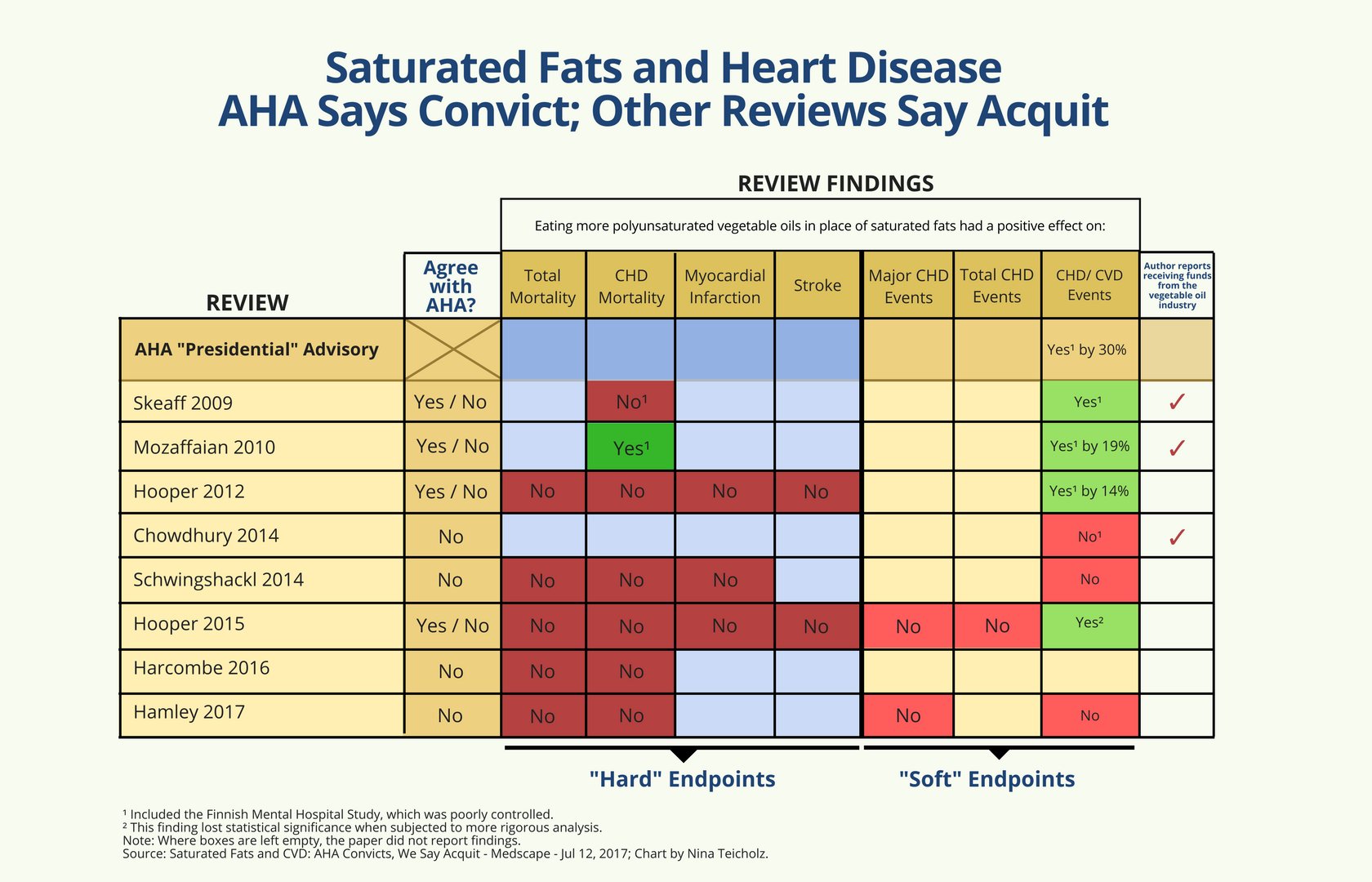
https://www.medscape.com/viewarticle/882564?form=fpf#vp_5 [4481]
We are left wondering why,
after decades of Proctor and Gamble's advice via the auspices of the
American Heart Association, to avoid or reduce saturated fat, the
average person is fatter than ever before.
Yet for the Huntley College of
Agriculture, California State Polytechnic University, Pomona,
"cholesterol is bad" was still an article of faith in 2020.
https://www.mdpi.com/2072-6643/12/8/2329/pdf?version=1596540267
[2958]
While in 2021 the e-Journal of
Cardiology Practice does not question Ancel Keys' work, and takes a
pretty uncritical view of the missteps of the past. But does provide
details of other contributors to the discovery timeline, dietary
debates and drug treatments. Several iterations of lipid profile
modelling culminated in the US 1998 guidelines which became the "gold
standard" for diagnosis.
https://www.escardio.org/Journals/E-Journal-of-Cardiology-Practice/Volume-19/history-in-medicine-the-story-of-cholesterol-lipids-and-cardiology
[2960]
Does it sound to you as if the
role of cholesterol in atherosclerosis was settled at the time of the
1924/25 Conference?
How about by the time of the
1961 SCND?
And by the time of the 1971
Protocol, was it settled?
And when Slovenia inherited
what it believed to be the drug treaty obligations of the former
Yugoslavia (however translated) in 1991, was the cholesterol question
satisfactorily resolved?
When the ZPPPD was enacted in
2000, was it settled then? For your information, "The fallacies of the
lipid hypothesis" was published in 2009.
The attendees at these various
measures wouldn't have known if cannabis contributed in any way,
perhaps positively, to the regulation of bile salts?
Do you expect there is any
evidence the Plenipotentiaries considered that at all?
By the time cannabis was
dropped from the British Pharmacopoeia in 1932, work was afoot to find
out what these bile acids were. In 1934 Rosenheim and King applied the
studies of Bernal (1932) to elucidation of the structure of bile
acids. Bile acids contribute to the digestion of exogenous fats, e.g.
triglycerides. With Wieland and Windaus' formula of 1928
"...it seemed as if the last
chapters in the story of one of the most brilliant researches of
organic chemistry had been written. The ring system of an important
group of natural subsyances had been established with a degree of
certainty which seemed to be final."
But two carbon atoms remained
"homeless" and
"It soon became apparent that
the C2H5 group was not in Ring IV, and in spite of four years'
systematic effort it proved to be impossible to place the two carbon
atoms elsewhere in the ring system. The old formula thus became
untenable."
https://www.annualreviews.org/doi/pdf/10.1146/annurev.bi.03.070134.000511
[2044]
So could the authors of the
Opium Treaty known anything about cannabis and bile acids in 1925?
Could the Kingdom of Yugoslavia have known on the 6 January 1929?
Clearly if they did not know
what the bile acids were, what their structure was, and did not know
what the active principles of cannabis were, they could not have
predicted the results of their interaction, could they?
Once cannabis was banned, it
couldn't be the object of respectable research, could it?
In 1956 J B Carey
"...identified chenodeoxycholic
acid (CDCA) as a major biliary bile acid and proposed that lithocholic
acid, its bacterial metabolite, caused liver injury in man."
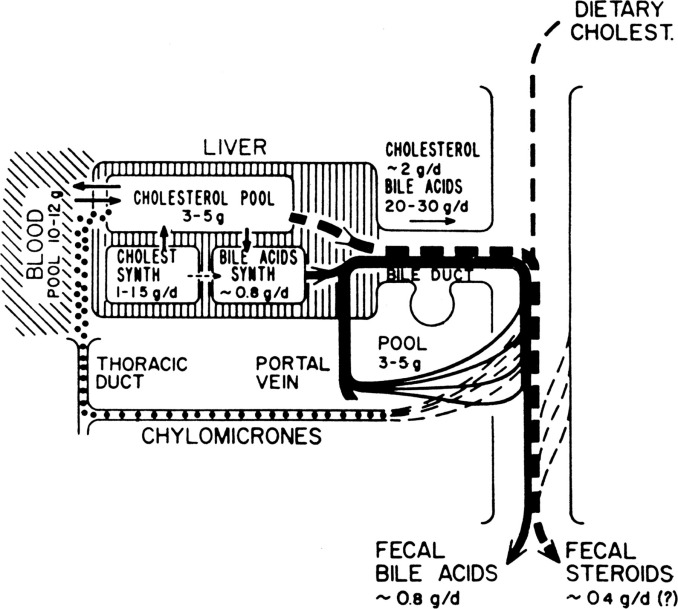
"When a meal is ingested, the
hormone cholecystokinin is released from the small intestine.
Cholecystokinin induces gallbladder contraction as well as relaxation
of the valve (sphincter of Oddi) at the end of the common bile duct
where it empties into the small intestine. Bile then enters the
duodenum. Some of the bile acids are absorbed in the jejunum, but most
are transported by intestinal peristalsis to the distal ileum where
they are efficiently absorbed. The bile acid molecules pass through
ileal enterocytes and enter portal venous blood to return to the
liver. One of the early illustrations of the enterohepatic circulation
of bile acids with values for man was presented by Sune Bergstrm in
1959 and is shown in Fig. 8."
Now we've seen cannabis was
widely used for antiemesis and digestive assistance in the UK from its
arrival with O'Shaughnessy in the 1840s until its banishment after
WW1.
Is there any way, in 1925, that
the authors of the first international drug treaty to include
cannabis, knew anything about the values for man for enterohepatic
circulation of bile acids first revealed by Bergstrm in 1959?
In his "Key discoveries in bile
acid chemistry and biology and their clinical applications: history of
the last eight decades" (2014) Hofmann and Hagey of the Department of
Medicine, University of California, San Diego, San Diego, CA reveal
that
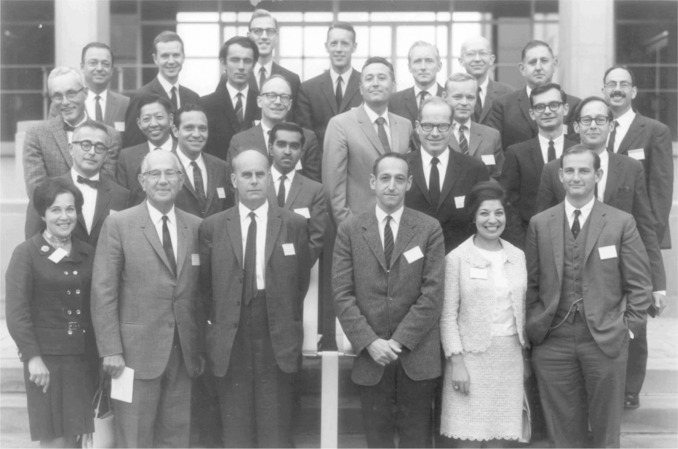
"The first symposium devoted
solely to bile acids was organized by Leon Schiff, a clinical
hepatologist, who was one of the founders of the American Association
for the Study of Liver Diseases. This symposium, held in 1967, was
quite exciting for its participants who are shown in Fig. 1."
"However, it is safe to say
that the study of bile acids was pursued by only a small number of
laboratories, some in Departments of Biochemistry and some in
Departments of Medicine. Erwin Mosbach, one of the early workers in
bile acid metabolism, once stated to his wife, 'Whenever I go to the
podium to give a paper on bile acids, everyone leaves the room'.
"In 1965, the senior author,
working in the laboratory of E. H. Ahrens, began feeding studies with
cholic acid in a patient with severe hypercholesterolemia, and showed
that cholic acid feeding was a potent suppressor of bile acid and
cholesterol biosynthesis, based on measurement of fecal bile acids and
sterols, using the newly developed gas chromatographic method for
fecal bile acids that had been developed in this laboratory. It was
logical to test CDCA, the other primary bile acid, but at that time,
the world's supply of pure CDCA was thought to be less than 10 g, and
the synthesis from cholic acid was difficult. However, in the 1960s, a
small English pharmaceutical company (Weddell Pharmaceuticals) began
the manufacture of CDCA for unknown reasons. A kilogram was purchased
for the senior author by the Mayo Clinic in 1967. Leslie Schoenfield
returned to the Mayo Clinic in 1966 after having spent a year in the
laboratory of Sjvall, and initiated a clinical trial with his fellow,
Johnson Thistle, to test whether oral cholic acid or hyodeoxycholic
acid would lower cholesterol in bile and ultimately induce cholesterol
gallstone dissolution. The senior author persuaded Schoenfield to add
CDCA to his protocol, and this study of Thistle and Schoenfield showed
that CDCA feeding decreased biliary cholesterol saturation, whereas
neither cholic acid nor hyodeoxycholic acid had any effect. In 1972,
the first gallstone dissolution induced by the ingestion of CDCA was
observed, initially at the Mayo Clinic, and later in London by a group
led by Hermon Dowling. [This was not the first time that the efficacy
of oral bile acids had been tested at the Mayo Clinic. In 1938, Philip
Hench had fed a mixture of conjugated bile salts in an unsuccessful
attempt to treat rheumatoid arthritis.]
"The discovery that CDCA
[chenodeoxycholic acid] would induce gradual dissolution of
cholesterol gallstones led to the next resurgence of interest in bile
acids. For the very first time, CDCA was made in kilogram quantities
by several manufacturers, and became the third bile acid available as
a fine chemical."
https://www.sciencedirect.com/science/article/pii/S0022227520353232#bib34
[2042]
So would you agree that the
authors of the international treaties of 1925 and 1961 did not know
anything at those times about interactions between cannabis and bile
acids?
We can observe, in fact, that
the human diet has undergone its most dramatic modifications in the
last 80 years. Ultraprocessed food, starting in the nineteenth
century, developed further after the war with the wider entry of women
into the workplace and the availability of home refrigeration and,
later, microwaves.
Some say ultra-processed food -
this does have a strict scientific definition - overtook smoking as
the world's leading cause of death in 2019.
"The food system we live within
is incredibly violent to our bodies," says Chris van Tulleken, "and it
desperately needs changing. And people can't make choices that are
healthy, many people are incredibly constrained by the world around
them."
And the doctor says:
"Food made by massive companies
with obligations to pension funds affects your body differently to
food made at home by someone that loves you. It's what we've all
believed for decades, now we have very robust evidence that proves
it."
https://www.youtube.com/watch?v=l3U_xd5-SA8 [2668]
A prospective study with
105 159 participants examined "Ultra-processed food intake and
risk of cardiovascular disease: prospective cohort study
(NutriNet-Sant)" (2019) and here is the graphical version of their
findings.
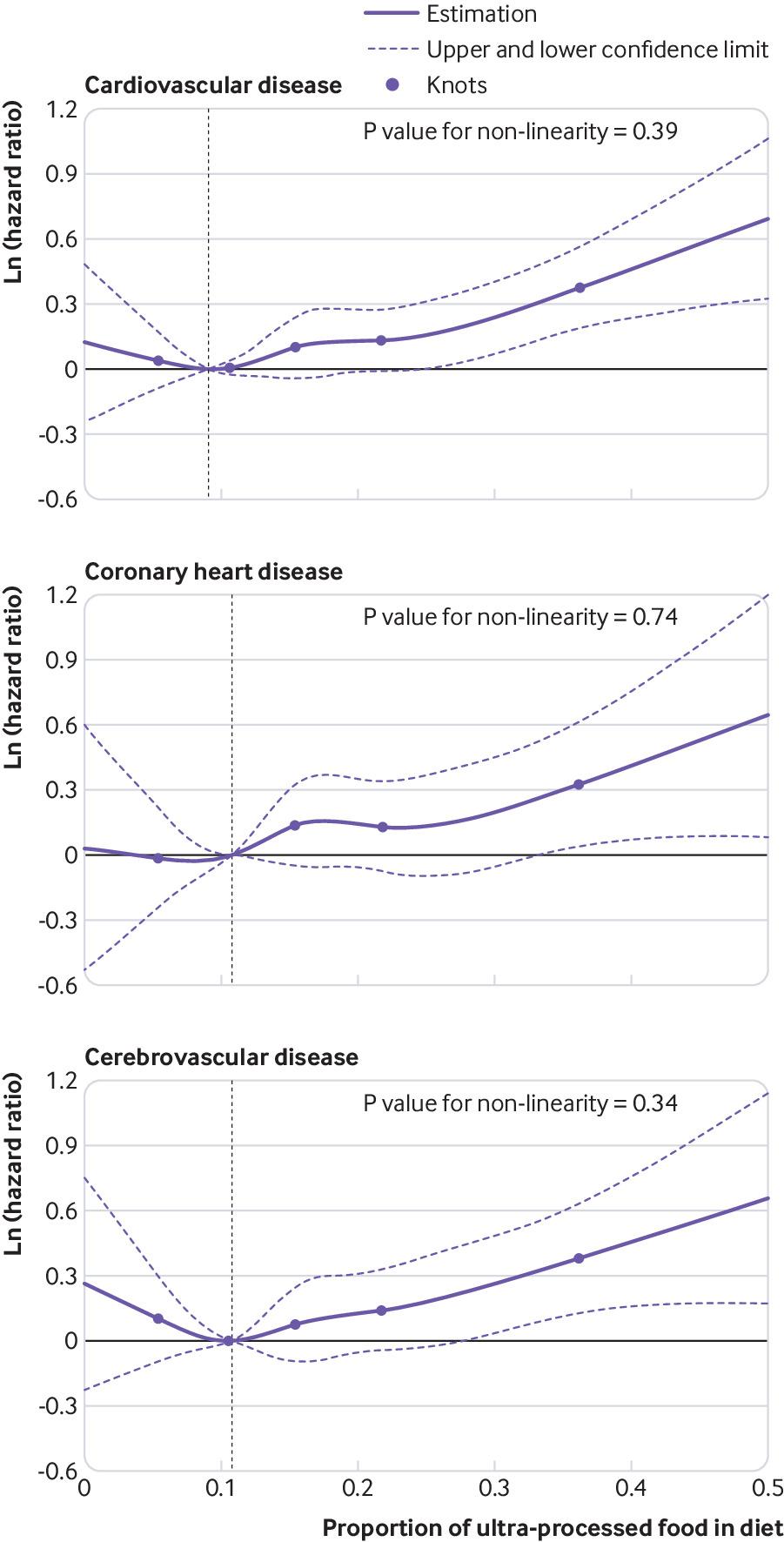
"In this large observational
prospective study, higher consumption of ultra-processed foods was
associated with higher risks of cardiovascular, coronary heart, and
cerebrovascular diseases."
https://www.bmj.com/content/365/bmj.l1451 [2669]
"Ultra-processed food
consumption, cancer risk and cancer mortality: a large-scale
prospective analysis within the UK Biobank" in the Lancet (2023) found
similar results.:
"The mean UPF consumption was
22.9% (SD 13.3%) in the total diet. During a median follow-up time of
9.8 years, 15,921 individuals developed cancer and 4009 cancer-related
deaths occurred. Every 10 percentage points increment in UPF
consumption was associated with an increased incidence of overall
(hazard ratio, 1.02; 95% CI, 1.011.04) and specifically ovarian (1.19;
1.081.30) cancer. Furthermore, every 10 percentage points increment in
UPF consumption was associated with an increased risk of overall
(1.06; 1.031.09), ovarian (1.30; 1.131.50), and breast (1.16;
1.021.32) cancer-related mortality."
https://www.thelancet.com/journals/eclinm/article/PIIS2589-5370(23)00017-2/fulltext
[2667]
In a cohort study of 10,775
individuals followed for a median of 8 years, Goncalves et al (2022)
found that consumption of UPF greater than 19.9% of total daily
calories was associated with a faster decline in global cognitive
performance and executive function.
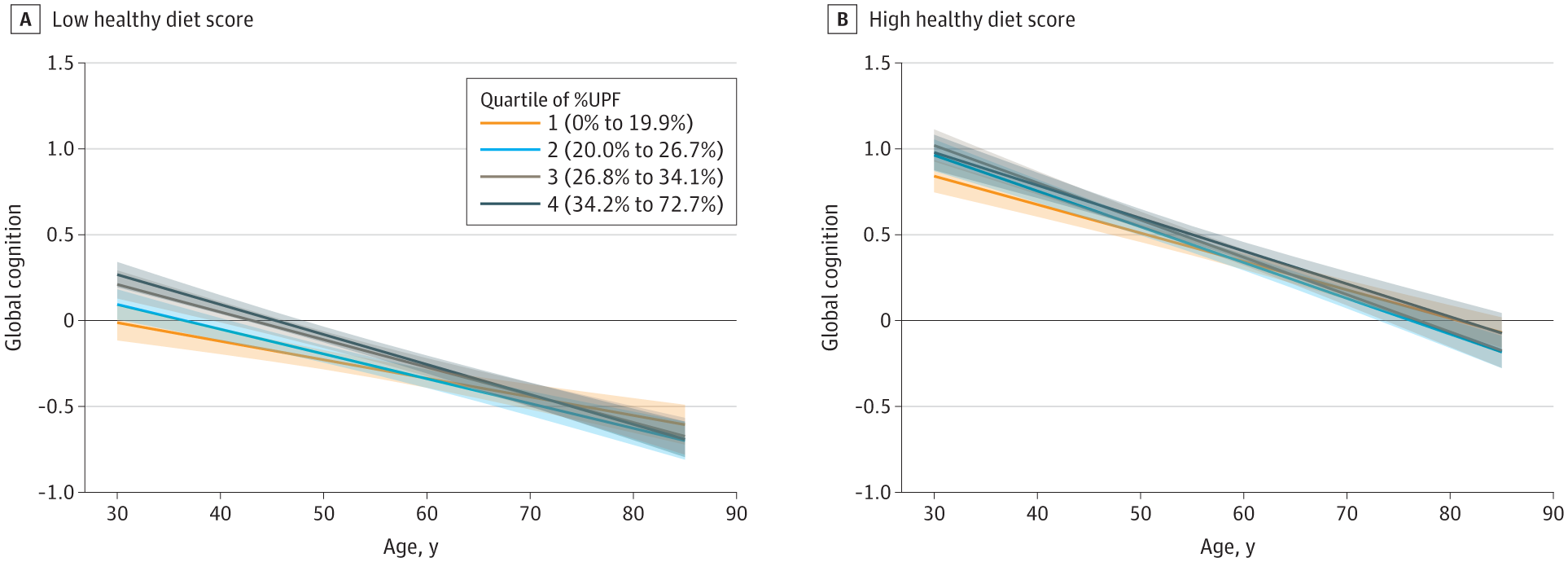
In particular, individuals with
ultraprocessed food consumption above the first quartile showed a 28%
faster rate of global cognitive decline and a 25% faster rate of
executive function decline compared with those in the first quartile.
https://jamanetwork.com/journals/jamaneurology/fullarticle/2799140
[5136]
Fructose is a cornerstone of
the ultra-processed food industry and humans have never consumed so
much fructose throughout human evolutionary history as they do today.
In 2009 Ross et al showed such
a diet produces impairments in a rat water maze model, revealing one
possible reason Americans elected Donald Trump twice:
"Over the past three decades
there has been a substantial increase in the amount of fructose
consumed by North Americans. Recent evidence from rodents indicates
that hippocampal insulin signaling facilitates memory and excessive
fructose consumption produces hippocampal insulin resistance. Based on
this evidence, the present study tested the hypothesis that a high
fructose diet would impair hippocampal-dependent memory. Adult male
Sprague-Dawley rats (postnatal day 61) were fed either a control (0 %
fructose) or high fructose diet (60 % of calories). Food intake and
body mass were measured regularly. After 19 weeks, the rats were given
3 days of training (8 trials/day) in a spatial version of the water
maze task, and retention performance was probed 48 h later. The high
fructose diet did not affect acquisition of the task, but did impair
performance on the retention test. Specifically, rats fed a high
fructose diet displayed significantly longer latencies to reach the
area where the platform had been located, made significantly fewer
approaches to that area, and spent significantly less time in the
target quadrant than did control diet rats. There was no difference in
swim speed between the two groups. The retention deficits correlated
significantly with fructoseinduced elevations of plasma triglyceride
concentrations. Consequently, the impaired spatial water maze
retention performance seen with the high fructose diet may have been
attributable, at least in part, to fructose-induced increases in
plasma triglycerides."
Some background:
"A high fructose diet causes
numerous pathological changes, including oxidative stress, glucose
intolerance, insulin resistance, type 2 diabetes, liver disease,
hypertension, and cardiovascular disease (Busserolles, Gueux, Rock,
Mazur, and Rayssiguier, 2002; Elliott, Keim, Stern, Teff, and Havel,
2002; Hwang, Ho, Hoffman, and Reaven, 1987; Montonen, Jarvinen, Knekt,
Heliovaara, and Reunanen, 2007; Nandhini, Thirunavukkarasu,
Ravichandran, and Anuradha, 2005; Zavaroni, Sander, Scott, and Reaven,
1980). Furthermore, a study from one of the present investigators
showed that the damaging effects of a high fructose diet extend
directly to the brain (Mielke, Taghibiglou, Liu, Zhang, Jia, Adeli,
and Wang, 2005). Specifically, placing male Syrian hamsters on a 60 %
fructose diet for 6 weeks produced hippocampal insulin resistance.
This finding is particularly significant given that the hippocampus is
integral to many forms of learning and memory (Ergorul and Eichenbaum,
2004) and that converging lines of evidence indicate that neural
insulin signaling facilitates hippocampal-dependent memory (Park,
2001). For instance, extensive evidence suggests that peripheral
insulin resistance and type 2 diabetes are associated with deficits in
hippocampal-dependent declarative memory (Convit, 2005; Messier, 2005;
Stewart and Liolitsa, 1999; Strachan, Deary, Ewing, and Frier, 1997;
Zhao, Chen, Xu, Moore, Meiri, Quon, and Alkon, 1999). Moreover,
learning and memory of a spatial water maze experience are correlated
with activation of the hippocampal insulin signaling pathway (Dou,
Chen, Dufour, Alkon, and Zhao, 2005; Zhao et al., 1999). Most
importantly, direct infusions of insulin into the hippocampus enhance
performance in a variety of memory tasks, and the memory-enhancing
effects of hippocampal insulin administration are not observed in
diabetic rats (Babri, Gholamipour, Rad, and Khameneh, 2006; McNay,
Herzog, McCrimmon, and Sherwin, 2005; Moosavi, Naghdi, Maghsoudi, and
Zahedi Asl, 2006).
"Given that fructose is
preferentially metabolized by the liver into lipids (Havel, 2005;
Topping and Mayes, 1971) and produces large increases in plasma
triglyceride (TG) concentrations (Basciano, Federico, and Adeli, 2005;
Havel, 2005; Kelley, Allan, and Azhar, 2004; Le, Faeh, Stettler, Ith,
Kreis, Vermathen, Boesch, Ravussin, and Tappy, 2006; Park, Cesar,
Faix, Wu, Shackleton, and Hellerstein, 1992), a high fructose diet is
analogous to a high fat diet in many metabolic ways. Importantly, rats
fed a diet high in saturated fatty acids exhibit impaired performance
on a number of hippocampal-dependent memory tasks (Greenwood and
Winocur, 1990; 1996; McNay et al., 2005). Moreover, high fat diets
produce insulin resistance in the brain (Banas, Rouch, Kassis,
Markaki, and Gerozissis, 2008), and injecting TGs directly into the
brain ventricles impairs memory (Farr, Yamada, Butterfield, Abdul, Xu,
Miller, Banks, and Morley, 2008). Collectively, the reviewed evidence
led us to hypothesize that a high fructose diet would impair
hippocampal-dependent memory, and that the deficits would be
attributable, at least in part, to fructose-induced increases in
plasma TGs. Consequently, the present experiment tested the effects of
feeding rats a high fructose diet on hippocampaldependent spatial
water maze learning and memory, and sought to determine whether any
deficits would be correlated with fructose-induced increases in plasma
TGs."
https://europepmc.org/backend/ptpmcrender.fcgi?accid=PMC2737072&blobtype=pdf
[3667]
Such ingredients are all but
impossible to avoid in today's society if you want to live a more-or
less normal life. More efficient use of food value may be one of the
most valuable (subliminal) positive outcomes, since food availability
has grown immensely during the last century, but nutritional content
has fallen just as dramatically.
According to Workinger et al in
"Challenges in the Diagnosis of Magnesium Status" (2018)
"Many fruits and vegetables
have lost large amounts of minerals and nutrients in the past 100
years with estimates that vegetables have dropped magnesium levels by
8090% in the U.S. (Figure 2) and the UK [cited include USDA ]. It is
important to note that the USDA mineral content of vegetables and
fruits has not been updated since 2000, and perhaps even longer, given
that the data for 1992 was not able to be definitively confirmed for
this review. The veracity of the mineral content to support the claim
of demineralization of our food sources should be verified,
particularly since farming methods and nutrient fertilization has
undoubtedly advanced in the last 50 years."
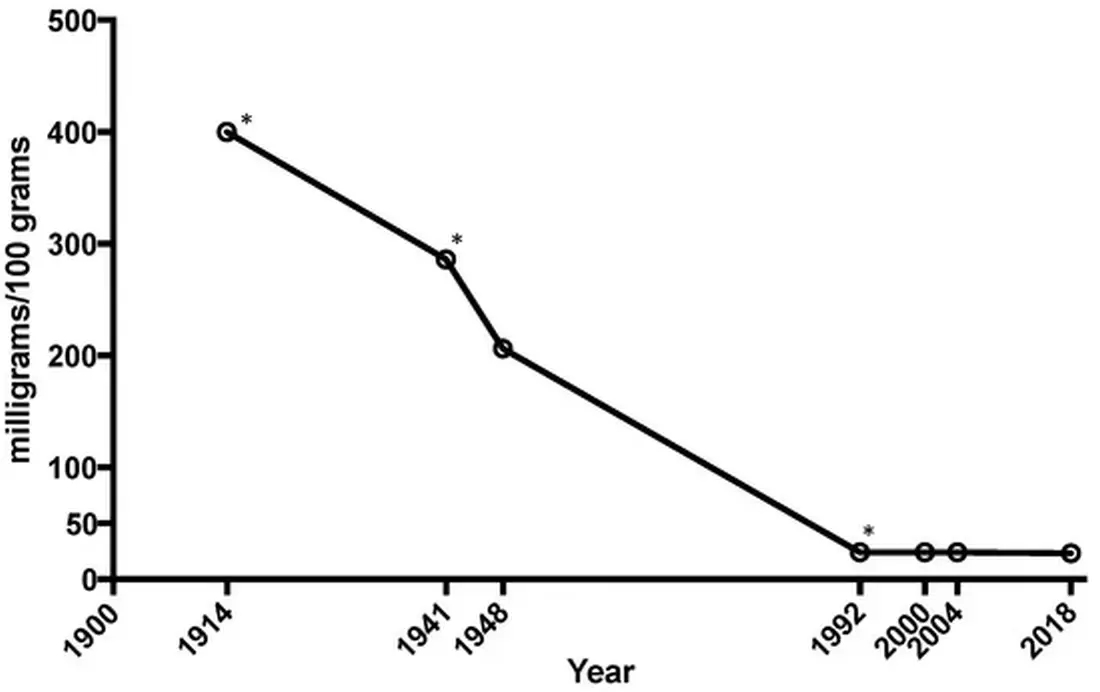
https://www.mdpi.com/2072-6643/10/9/1202 [2795]
"Magnesium is a cofactor in
>300 enzymatic reactions. Magnesium critically stabilizes enzymes,
including many ATP-generating reactions. ATP is required universally
for glucose utilization, synthesis of fat, proteins, nucleic acids and
coenzymes, muscle contraction, methyl group transfer and many other
processes, and interference with magnesium metabolism also influences
these functions. Thus, one should keep in mind that ATP metabolism,
muscle contraction and relaxation, normal neurological function and
release of neurotransmitters are all magnesium dependent. It is also
important to note that magnesium contributes to the regulation of
vascular tone, heart rhythm, platelet-activated thrombosis and bone
formation."
And their Table 3 lists a few
of the enzyme functions...
Kinases B
Hexokinase
Creatine kinase
Protein kinase
ATPases or GTPases
Na+ /K+-ATPase
Ca2+-ATPase
Cyclases
Adenylate cyclase
Guanylate cyclase
Direct enzyme activation
Phosphofructokinase
Creatine kinase
5-Phosphoribosyl-pyrophosphate
synthetase
Adenylate cyclase
Na+/ K+-ATPase
...membrane functions...
Cell adhesion
Transmembrane electrolyte flux
...as a calcium antagonist...
Muscle contraction/relaxation
Neurotransmitter release
Action potential conduction in
nodal tissue
...and with structural
functions in...
Proteins
Polyribosomes
Nucleic acids
Multiple enzyme complexes
Mitochondria
https://www.ncbi.nlm.nih.gov/pmc/articles/PMC4455825/ [2796]
The Defendant therefore
believes that the nutritional quality of mass-produced foods has
declined as the quantity has increased, and that this is not against
the interests of the producers. Indeed isn't the western deity of all
our beverages full of empty calories?
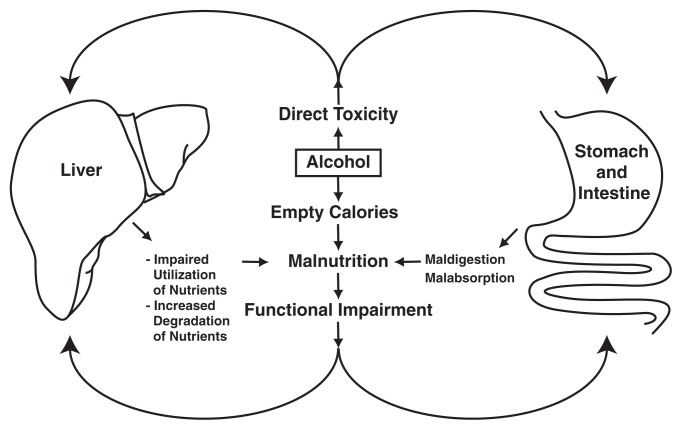
As Lieber points out:
"Nutritional approaches can
help prevent or ameliorate alcoholic liver disease. For example, a
complete balanced diet can compensate for general malnutrition."
and
"Pure alcohol provides
approximately 7.1 kilocalories per gram (kcal/g), compared with 4
kcal/g for carbohydrates. Thus, a 12-oz can of beer contains
approximately 100 calories.
"At least under certain
conditions, however, alcohol-derived calories when consumed in
substantial amounts can have less biologic value than
carbohydrate-derived calories, as shown in a study in which Pirola and
Lieber (1972) compared the weights of two groups of participants who
received balanced diets containing equal numbers of calories. In one
of the groups, 50 percent of total calories was derived from
carbohydrates, whereas in the other group the calories were derived
from alcohol.
"Although all participants
received the same number of calories, those in the alcohol group
exhibited a decline in body weight compared with those in the
carbohydrate group. Moreover, when the participants received
additional calories in the form of alcohol, they did not experience
any corresponding weight gain. This suggests that some of the energy
contained in alcohol is 'lost' or 'wasted'that is, it is not available
to the body for producing or maintaining body mass. Under other
conditions, however, alcohol-derived calories have the same biologic
value as calories derived from other nutrients. The various mechanisms
involved and the circumstances in which alcohol calories fully count
or do not count are described in detail elsewhere (Lieber 1991a).
"Several mechanisms have been
implicated in the apparent loss of alcohol-derived energy (Feinman and
Lieber 1998). For example, some of the energy may be used up (wasted)
during the breakdown of alcohol by a pathway known as the microsomal
ethanol-oxidizing system (MEOS). (For more information on this system,
see the section 'Relationships Between Nutritional Factors and Alcohol
Metabolism,' below.) As described later in this article, alcohol may
damage the liver cells mitochondriasmall membrane-enclosed cell
structures that serve as the cells power plantsand these damaged
mitochondria may waste energy during the breakdown of fats." [787]
In fact
"Researchers worldwide
published a record 4,300+ scientific papers on the subject of
cannabis, according to the results of a keyword search of the National
Library of Medicine/PubMed.gov website.
"This exceeds the total number
of papers published during all of last year [i.e. 2021], when
scientists published over 4,200 papers. At the time, that total was
the highest number of cannabis-specific papers ever published in a
single year.
"Since 2010, scientists have
published over 30,000 peer-reviewed papers specific to cannabis, with
the annual number of total papers increasing every year. By
comparison, researchers published fewer than 3,000 total papers about
marijuana in the years between 1990 and 1999 and fewer than 2,000
total studies during the 1980s.
"'Despite claims by some that
marijuana has yet to be subject to adequate scientific scrutiny,
scientists interest in studying cannabis has increased exponentially
in recent years, as has our understanding of the plant, its active
constituents, their mechanisms of action, and their effects on both
the user and upon society,' NORMLs Deputy Director Paul Armentano
said. 'It is time for politicians and others to stop assessing
cannabis through the lens of "what we dont know" and instead start
engaging in evidence-based discussions about marijuana and marijuana
reform policies that are indicative of all that we do know.'"
https://norml.org/blog/2022/12/27/record-number-of-science-papers-published-about-cannabis-in-2022/
[2064]
In 1991, what did the Slovenian
inheritors of the international drug treaties of 1925, 1961 and 1971
know about the anti-emetic properties of cannabis?
Let us take a note of the dates
of some papers referred to "Regulation of nausea and vomiting by
cannabinoids and the endocannabinoid system" from North American
authors Sharkey et al (2013):
"In clinical trials,
cannabis-based medicines have been found to be effective anti-emetics
and even surpass some modern treatments in their potential to
alleviate nausea (Cotter, 2009; Tramr et al., 2001). However, it was
not until the early 1990s that the mechanism of action of cannabis was
established following the cloning of the cannabinoid (CB) receptors
(Howlett et al., 2002; Pertwee et al., 2010). The significance of this
discovery was enhanced when it was realized that these receptors were
part of an endogenous cannabinoid (endocannabinoid) system in the
brain and elsewhere in the body (Di Marzo and De Petrocellis, 2012;
Izzo and Sharkey, 2010; Mechoulam and Parker 2013; Piomelli, 2003).
The endocannabinoid system serves to modulate the expression of nausea
and vomiting when activated by central or peripheral emetic stimuli
(Darmani and Chebolu, 2013; Parker et al., 2011)."
https://www.ncbi.nlm.nih.gov/pmc/articles/PMC3883513/ [2043]
Does the Town Smell make me
nauseous? I am not Slovenian, so yes.
If you had asked any of the
authors of these international drug treaties, or the authors of the
ZPPPD, about the effects of banning cannabis for people affected by
Ptuj Town Smell or other nauseating experiences such as imbalances in
microbiota caused by alcohol consumption or undesirable ratios of
exogenous lipids in foodstuffs on the marketplace, they wouldn't have
been able to refer to any of these papers would they?
But what do you think they
would have said if you had asked them?
If you had gone to them and
said, look, we've got people feeling queasy every time they go out of
the house. We've got this Town Smell in Ptuj and we just can't do
without it. We just can't stop it, they say, and you say why not. And
they say "Because it's Ptuj."
So you say, well what about
smoking cannabis to reduce the nausea and also block out the smell
seeping into your home? What would they say?
When the ZPPPD was introduced,
would the authors have been able to take into account results showing
"...that perturbation of bile
acid homeostasis upon alcohol exposure is mediated by activation of
Cb1r and its downstream effectors like phosphorylation of JNK
signaling pathway and subsequent activation of Crebh."
or
" that under normal conditions
insulin plays a crucial role in maintaining bile acid homeostasis via
regulation of Crebh transcriptional activity."
https://www.researchgate.net/publication/253336408_Hepatic_Cannabinoid_Receptor_Type_1_Mediates_Alcohol-Induced_Regulation_of_Bile_Acid_Enzyme_Genes_Expression_Via_CREBH/link/00b7d5200f5e64016f000000/download
[2046]
That was 2013. The experts you
believe in already know about that in 1925, 1961 or 1971 or 1991 or
when the ZPPPD was written in 1999?
And they couldn't have known in
1999 that
"Clearly, low doses of CB1
agonists (0.5 mg/kg Δ9-THC, Limebeer and Parker, 1999; 0.0010.01
HU-210, Parker et al., 2003) attenuate nausea in the conditioned
gaping model, an effect that is reversed by rimonabant (see Parker et
al., 2011). At low doses (15 mg/kg, i.p.) the nonpsychoactive
phytocannabinoid, CBD, also reduces these nausea-induced behaviors
(without affecting any measures of motor activity) by its action as an
indirect agonist of 5-HT1A receptors in the dorsal raphe nucleus (Rock
et al., 2012; Parker et al., 2011). By acting as an agonist of the
somatodendritic 5-HT1A autoreceptors located in the dorsal raphe, CBD
would be expected to reduce the release of 5-HT in forebrain regions
(e.g. possibly the interoceptive insular cortex, Tuerke et al., 2012a)
to ultimately suppress toxin-induced nausea." [2043]
As the authors explain:
"These contextually elicited
conditioned gaping or retching reactions represent animal models of
anticipatory nausea analogous to that experienced by human
chemotherapy patients, which can be produced following 34 conditioning
trials. In human chemotherapy patients, when anticipatory nausea
develops, the classic anti-emetic agent ondansetron is ineffective in
reducing this symptom (Hickok et al., 2003); likewise rats and shrews
pretreated with ondansetron do not show a suppression of
contextually-elicited gaping and retching reactions, respectively
(Limebeer et al., 2006; Parker and Kemp, 2001; Parker et al., 2006;
Rock et al., 2008). On the other hand, Δ9- THC, URB597 and CBD
all reduce these contextually-elicited conditioned nausea reactions
(Parker et al., 2011). More recently, it has been shown that CBDA
(Bolognini et al., 2012) were more potent than CBD and Δ9-THC
respectively in attenuation of contextually-elicited conditioned
gaping in rats. CBDA potently suppresses nausea and vomiting in a
5-HT1A receptor dependent manner (Bolognini et al., 2012). Since these
compounds are both non-psychoactive, they are promising candidates for
the treatment of anticipatory nausea, as there is no current
therapeutic available once anticipatory nausea does develop.
Currently, patients are given non-specific anti-anxiety drugs."
The authors do not explain why
they think these psychoactive properties are unwanted. They may be
unwanted. Or they may be a bonus. People do have the right to buy
decaf and alkoholfrei also. The takeup is not great.
It's not up to these
researchers to decide people shouldn't be happy as well as enjoying
these particular benefits of, but not limited to, CBDA, which by the
way is not available as an anti-nausea drug in Slovenia anyway, except
as one of many useful components of cannabis.
The authors seem happy to have
discovered a component incapable of making the patient happy. And the
experts you believe in couldn't have known that as of 2016 that
"The integrity of the gastric
mucosa is maintained due to a balance between mucosal aggressive
factors and the so called gastric mucosal protective mechanisms. The
gastric mucosa is constantly exposed to high concentrations of luminal
acid. Other aggressive factors in the lumen are pepsins, bile refluxed
from incompetent pyloric sphincter, bacteria, ethanol and drugs
especially the non-steroidal anti-inflammatory drugs (NSAIDs) capable
of inhibiting the synthesis of cytoprotective prostaglandins. The
mucosa's ability to withstand acid and other injurious agents is due
to several mechanisms collectively is known as the gastric mucosal
barrier. The mucus-bicarbonate layer together with surface-active
phospholipids barrier constitute the first line of defence or the
pre-epithelial barrier. The surface epithelial cells capable of rapid
turnover and migration (restitution) and releasing mucins,
bicarbonate, phospholipids, prostaglandins, trefoil peptides form the
second line of defence. Other important defence mechanisms of gastric
mucosa are cytoprotective prostaglandins, mucosal sulfhydryl content,
adequate mucosal blood flow, and sensory afferent innervations. The
development of gastric mucosa damage implies a breach in the balance
between aggressive and defencive factor."
They couldn't have known
anything about the mechanisms by which cannabis strengthens gastric
mucosal defences?
"Several mechanisms are likely
to account for the ability of Cannabis or individual cannabinoid
agonists to protect the stomach against noxious injury. Cannabis
and/or individual cannabinoids inhibit gastric acid secretion,
thereby, lessening the ability of this most powerful aggressive factor
to threaten the gastric mucosa. Studies also indicated that Cannabis
administration increases mucus secretion in the gastric mucosa. Mucus
is secreted by the mucous neck and surface epithelial cells and plays
an important role in protecting the surface epithelial cells from
luminal acid and other injurious agents. Mucus retards diffusion of
luminal acid into the mucosa and together with bicarbonate secreted by
the epithelium forms a pH gradient with near-neutral pH at the surface
of the mucosa.
"Luminal pepsins constitute an
important aggressive factor capable of digesting mucus and thereby
increasing the susceptibility of gastric mucosa to other injurious
factors. Studies in pylorus-ligated rats treated with Cannabis extract
for 4 weeks indicated that Cannabis did not affect basal pepsin
secretion. Cannabis, however, decreased pepsin secretion when the
stomach is stimulated with pentagastrin and carbachol. Cannabis also
decreased pepsin secretion following ethanol administration in rats.
"Reactive oxygen intermediates
have been implicated in the development of gastric mucosal injury due
to ischaemia/reperfusion, ethanol, NSAIDs, and bacteria. Cannabis has
been shown to decrease lipid peroxidation and to increase reduced
glutathione content and catalase activity in gastric mucosa. Cannabis
also inhibited mucosal nitric oxide. Although a vasodilator effect of
physiological concentrations of nitric oxide help the mucosa to
withstand noxious challenge, high concentrations are likely to have a
damaging effect. Cannabis thus might protect the gastric mucosa by
virtue of an antioxidant action.
"Mucosal inflammation plays an
important role in the development of gastric ulcers and although
initial inflammatory response to the gastric mucosa helps to minimize
or limit tissue damage, an exaggerated or uncontrolled response is
detrimental to the mucosal integrity. Cannabis has been shown to
inhibit the pro-inflammatory cytokine tumour necrosis factor-alpha in
mucosal homogenates, an action which might help to minimize the extent
of mucosal damage.
"Cannabis thus exerts
antioxidant and anti-inflammatory effects in the gastric mucosa. It is
to be noted, however, that these actions of Cannabis were evident only
when the gastric mucosa was challenged with increased acid secretion
or after exposing the mucosa to noxious agents such as acidified
aspirin and ethanol and were not apparent under basal conditions.
"One important factor in
determining the ability of the gastric mucosa to resist gastric acid
and other noxious agents is gastric mucosal blood flow. This has been
inferred from studies showing that interference with the blood supply
to the mucosa i.e. ischaemia resulted in the development of gastric
mucosal damage or aggravated the extent of mucosal damage evoked by
NSAIDs or ethanol On the other hand, agents which increase gastric
mucosal blood flow such as isoproterenol, vasodilator prostaglandins
or capsaicin-type agents helped to protect against noxious challenge.
In this context, data have been provided that the endocannabinoid
anandamide increases gastric mucosal blood flow. There is also an
evidence for a vaso-relaxant action for methanandamide in rat gastric
arteries. This effect was independent of cannabinoid receptors. It is
thus possible that a vasodilatory action is involved in the gastric
protective effects of Cannabis and or cannabinoids."
https://www.sciencedirect.com/science/article/pii/S1995764516300712#bib54
[2047]
Robert et al (1979) showed that
prostaglandins protect the gastric mucosa against necrosis by a
mechanism distinct from the inhibition of gastric acid secretion: the
protective effect was greatest at doses too low to affect acid output
at all, and drugs that markedly reduce acid secretion, such as
cimetidine, were not cytoprotective in the same sense.
The word "cytoprotective" was over two decades old when the ZPPPD
itself was drafted in 1999.
https://www.gastrojournal.org/article/0016-5085(79)90002-7/pdf
[6735]
That distinction sharpens what the 2016 paper says about cannabis. Of
the mechanisms it lists, the antioxidant action, the increase in mucus
and bicarbonate, the fall in tumour necrosis factor-alpha, and the
improvement in mucosal blood flow would all count as cytoprotection in
Robert's original 1979 sense. The first mechanism it lists, inhibition
of gastric acid secretion, would not: on Robert's own test an
antisecretory effect is a separate matter from cytoprotection, and one
does not establish the other. So cannabis is not simply lowering acid
output and calling that protection. It appears to supply, in addition
and independently, the very effect the field has recognised as
cytoprotection proper since 1979.
Among the irritants provided in the experiment was alcohol.
So now we know not only what was known about cannabis and gastric
mucosal protection by May 2016, but about the distinction, settled
since 1979, between merely cutting acid output and true
cytoprotection. Do you say both mechanisms were considered and taken
into account in your operations under the ZPPPD?
Now
if cannabis helps gastric mucosal protective mechanisms, and someone
has some cannabis and Mr Teodorovic or the Police or the Republic of
Slovenia steal or confiscate someone's cannabis, or a population's
cannabis, what would you expect the effect would follow from the
removal of that cannabis on those gastric mucosal protective
mechanisms on that person or population?
In fact it would be worse for a
population than a single person, wouldn't it?
And there would be no
difference between it being taken by a burglar or by the government,
would it?
Since 2016 how long have
Slovenia's experts had to investigate these negative effects of the
ZPPPD on gastric mucosal protective mechanisms?
And what evidence can you offer
about these investigations?
What do you think the authors
of the international drug control treaties would have said at the time
about cannabis and gut motility?
Wasn't the British Empire
pro-dysentery, pro-cholera, for the black people?
Surely it would have been their
own fault in colonial India? Would they have tried cannabis to treat
dysentery in white patients?
Staff Surgeon S J Rennie of the
Cawnpore (now Kanpur) Hospital reports unanimous success with
treatment in a dozen or more such individuals, reporting four of his
case histories in detail in the Indian Medical Gazette in December
1886 under the title "On the Therapeutic Value of Tinctura Cannabis
Indica in the Treatment of Dysentery".
https://pmc.ncbi.nlm.nih.gov/articles/PMC5000962/ [4883]
General Smuts could not have
known, could he, that as reported by Izzo et al in the AGA journal
Gastroenterology in 2003:
"Previous studies have shown
that activation of enteric CB1 inhibits esophageal and
gastrointestinal motility, including in isolated human tissues, and in
an experimental model of diarrhea in the mouse. In this study, we were
able to show that the nonselective cannabinoid receptor agonist
CP55,940 and the selective CB1 receptor agonist ACEA decreased
CT-stimulated fluid accumulation in the mouse small intestine. The
antidiarrheal effect of the cannabinoid agonists examined here is very
likely mediated uniquely by CB1 receptors because: (1) the effect of
both CP55,940 and ACEA was counteracted by the selective CB1 receptor
antagonist SR141716A; (2) the CB2 receptor antagonist SR144528 did not
modify the antisecretory effect of CP55,940; (3) the CB1 selective
agonist ACEA reduced CT-stimulated fluid accumulation; and (4) the CB2
receptor agonist JWH-015 was without effect."
https://www.gastrojournal.org/article/S0016-5085(03)00892-8/fulltext
[4884]
Statistics strongly supportive
of an association between marijuana use and improved gut motility can
be found in a nationwide US survey of 9645 adults 20-59 in 2019 by
North Shore Medical Center, Salem, Massachusetts and Massachusetts
General Hospital, Boston:
"Recent MJ use was associated
with a 30% decreased odds of constipation (crude odds ratio: 0.71
[0.560.98], P = 0.005), which persisted after stepwise adjustment for
age and other demographic factors including sex, ethnicity, education,
body mass index, and socioeconomic status (AOR: 0.64 [0.490.83], P =
0.001); comorbidities, substance use (alcohol, tobacco, heroin, and
cocaine), constipating medications, general health condition, rigorous
physical activity, and emotional disturbances (AOR: 0.68 [0.480.93], P
= 0.016); and diet (AOR: 0.68 [0.520.89], P = 0.006). There was no
association between recent MJ use and diarrhea."
https://journals.lww.com/ajg/Abstract/2019/12000/Relationship_Between_Recreational_Marijuana_Use.15.aspx
[785]
In "The effects of D9
-tetrahydrocannabinol and cannabidiol alone and in combination on
damage, inflammation and in vitro motility disturbances in rat
colitis" (2010) by Jamontt et al at the School of Life Sciences,
University of Hertfordshire
"The 2,4,6-trinitrobenzene
sulphonic acid (TNBS) model of acute colitis in rats was used to
assess damage, inflammation (myeloperoxidase activity) and in vitro
colonic motility. Sulphasalazine was used as an active control drug.
"Key results: Sulphasalazine,
THC and CBD proved beneficial in this model of colitis with the
dose-response relationship for the phytocannabinoids showing a
bell-shaped pattern on the majority of parameters (optimal THC and CBD
dose, 10 mg.kg(-1)). THC was the most effective drug. The effects of
these phytocannabinoids were additive, and CBD increased some effects
of an ineffective THC dose to the level of an effective one. THC alone
and in combination with CBD protected cholinergic nerves whereas
sulphasalazine did not.
"Conclusions and implications:
In this model of colitis, THC and CBD not only reduced inflammation
but also lowered the occurrence of functional disturbances. Moreover
the combination of CBD and THC could be beneficial therapeutically,
via additive or potentiating effects."
https://europepmc.org/backend/ptpmcrender.fcgi?accid=PMC2931570&blobtype=pdf
[2939]
In a murine colitis model,
Yekhtin et al (2022) found "Differential Effects of D9
Tetrahydrocannabinol (THC)- and Cannabidiol (CBD)-Based Cannabinoid
Treatments on Macrophage Immune Function In Vitro and on
Gastrointestinal Inflammation in a Murine Model" and this was the
Dextran sulfate sodium (DSS)-induced colitis model. DSS is a sulfated
polysaccharide. Administration of DSS in mice causes human ulcerative
colitis-like pathologies due to its toxicity to colonic epithelial
cells, which results in compromised mucosal barrier function.
"...aimed to evaluate the
effects of the phytocannabinoids D9 tetrahydrocannabinol (THC) and
cannabidiol (CBD) on macrophage activation. Macrophages from young and
aged C57BL/6 mice were activated in vitro in the presence of pure
cannabinoids or cannabis extracts. The phenotype of the cells, nitric
oxide (NO) secretion, and cytokine secretion were examined."
The treated mice did well and
"We identified higher activity
of cannabis extracts as compared with pure cannabinoids. Each
treatment had a unique effect on cytokine composition. Overall, our
results establish that the effects of cannabinoid treatments differ."
They explain
"Immunological dysregulation in
IBD is characterized by epithelial damage, expansion of inflammation
driven by intestinal flora, a large number of cells infiltrating into
the lamina propria, and a failure of immune regulation to control the
inflammatory response. In IBD patients, the number of macrophages
increase in the inflamed mucosa."
and
"Phytocannabinoids, the
biologically active constituents of cannabis, possess a wide range of
immune regulatory properties, mediated by the endocannabinoid system."
and as regards the two best
known:
"D9 tetrahydrocannabinol (THC)
and cannabidiol (CBD). THC and some of the other phytocannabinoids
mediate their biological effects primarily through the classical
cannabinoid receptors CB1 and CB2. In addition, THC can act as an
agonist of the receptors/channels GPR55, GPR18, PPARγ, transient
TRPA1, TRPV2, TRPV3, and TRPV4, and as an antagonist of the
receptors/channels TRPM8 and 5-HT3A. Interestingly, although CBD
affects the immune function, it has a very weak affinity to CB2 or
CB1, where it can act as a negative allosteric modulator. Several
reports have demonstrated that CBD acts as an agonist of other
receptors/channels, such as TRPA1, TRPV1, TRPV2, TRPV3, PPARγ,
and 5-HT1A, and as an antagonist of the receptors GPR55, GPR18, and
5-HT3A. CBD is also an inverse agonist of the receptors GPR3, GPR6,
and GPR12."
and again
"Cannabis extracts and pure
cannabinoids were used in a concentration of 5 g/mL; the extracts had
stronger effect than the pure cannabinoids, although cannabinoids
constituted only 3538% of their content. This could result either from
inhibitory signaling of other molecules in the plant (not THC/CBD) or
from a synergistic function of THC/CBD with other molecules."
and broadly their results
showed
"Cannabinoid Treatments Reduce
Nitric Oxide and Cytokine Production of LPS-Activated Peritoneal
Macrophages....Cannabinoid Treatments Affect the Phenotype of
Activated Peritoneal Macrophages....Cannabis Extracts Have Improved
Effect in Murine Colitis DSS Model Mice as Compared with Pure
Cannabinoids....Cannabinoid Treatments Reduce Intestinal Macrophage
Infiltration and the Levels of Inflammatory Cytokines in the Plasma of
DSS Mice".
https://www.mdpi.com/2227-9059/10/8/1793/pdf?version=1658831384
[2938]
For Becker et al (2020) one
model of colitis was not enough.
"Female C57BL/6 mice were
treated with either cannabidiol [CBD], Δ 9-tetrahydrocannabinol
[THC], a combination of CBD and THC, or vehicle, in several models of
chemically induced colitis. Clinical parameters of colitis were
assessed by colonoscopy, histology, flow cytometry, and detection of
serum biomarkers; single-cell RNA sequencing and qRT-PCR were used to
evaluate the effects of cannabinoids on enterocytes. Immune cell
transfer from CB2 knockout mice was used to evaluate the contribution
of haematopoietic and non-haematopoietic cells to colitis protection.
"Results: We found that THC
prevented colitis and that CBD, at the dose tested, provided little
benefit to the amelioration of colitis, nor when added synergistically
with THC. THC increased colonic barrier integrity by stimulating mucus
and tight junction and antimicrobial peptide production, and these
effects were specific to the large intestine. THC increased colonic
Gram-negative bacteria, but the anti-colitic effects of THC were
independent of the microbiome. THC acted both on immune cells via CB2
and on enterocytes, to attenuate colitis."
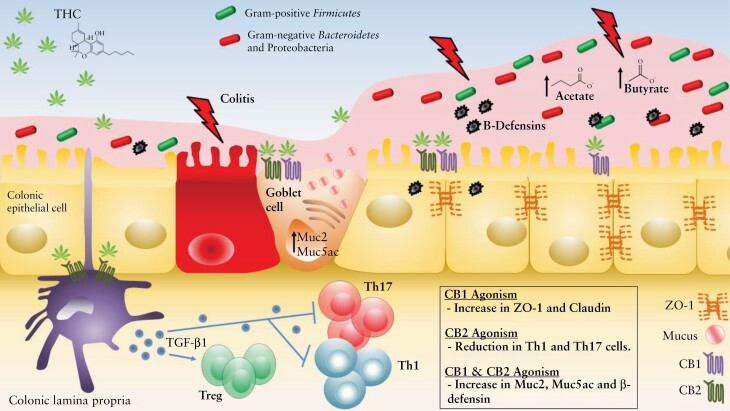
"Conclusions: Our findings
demonstrate how cannabinoid receptor activation on both immune cells
and colonocytes is critical to prevent colonic inflammation. These
studies also suggest how cannabinoid receptor activation can be used
as a preventive and therapeutic modality against colitis."
https://www.ncbi.nlm.nih.gov/pmc/articles/PMC8218712/ [2940]
From the Institute of
Experimental and Clinical Pharmacology, Medical University of Graz, a
summary of important and recent findings on the role of cannabinoid
receptors and their ligands in the GI tract with emphasis on GI
disorders, such as irritable bowel syndrome, inflammatory bowel
disease and colon cancer:
"In ancient medicine, extracts
of the marijuana plant Cannabis sativa were used against diseases of
the gastrointestinal (GI) tract....After many anecdotal reports
suggested beneficial effects of Cannabis in GI disorders, it was not
surprising to discover that the GI tract accommodates and expresses
all the components of the ECS. Cannabinoid receptors and their
endogenous ligands, the endocannabinoids, participate in the
regulation of GI motility, secretion, and the maintenance of the
epithelial barrier integrity. In addition, other receptors, such as
the transient receptor potential cation channel subfamily V member 1
(TRPV1), the peroxisome proliferator-activated receptor alpha
(PPARα) and the G-protein coupled receptor 55 (GPR55), are
important participants in the actions of CBs in the gut and critically
determine the course of bowel inflammation and colon cancer."
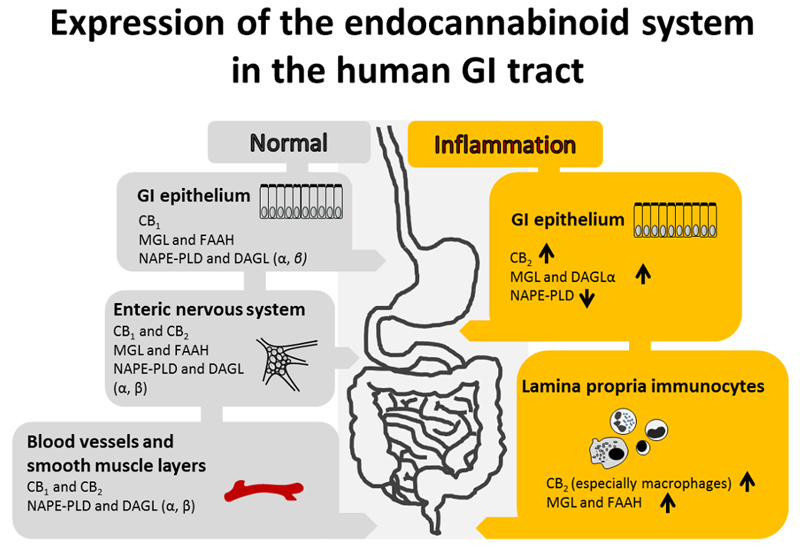
"The FAAH enzyme...seems to be
a key molecule for the regulation of endocannabinoid levels and colon
motility, but not for GI pain sensation."
"So far, the human studies
indicate increased endocannabinoid activity in colon cancer while the
role of CB receptors remains less clear.
"Cannabinoids reduce
carcinogenesis in animal models of colon cancer"
"The GI tract is one of the
regions where cannabinoid signaling is involved in many physiological
and pathophysiological regulatory mechanisms, this is now clearly
understood."
"From a scientist's perspective
and all the caveats in mind, it seems to be a matter of time when
cannabinoid compounds will be used in the treatment of GI disease."
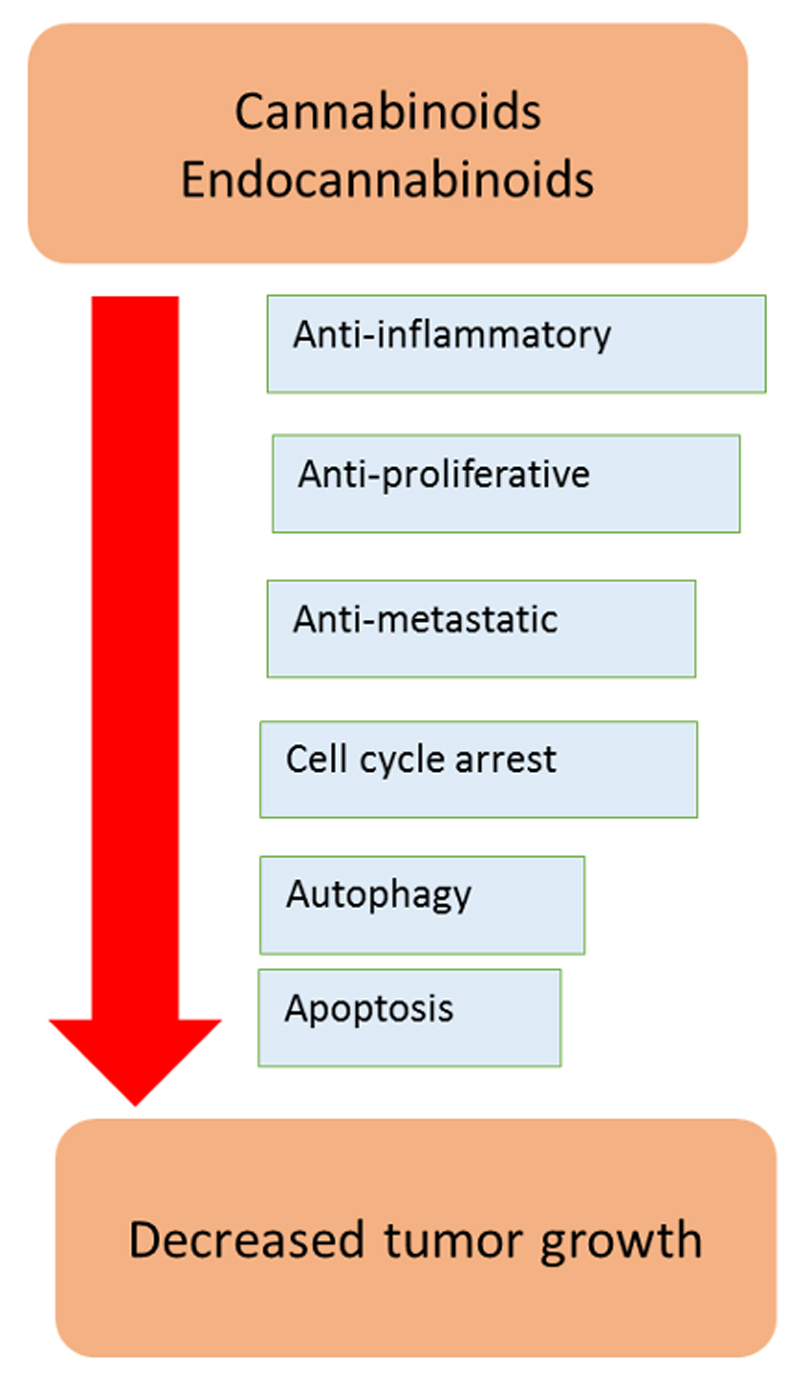
"A large number of studies have
confirmed that the ECS is crucially involved in the control of
motility, secretion and mucosal integrity of the gut and may even
determine the course of intestinal inflammation and cancer."
"From a scientist's perspective
and all the caveats in mind, it seems to be a matter of time when
cannabinoid compounds will be used in the treatment of GI disease."
Just hang on, they're saying.
They might be able to agree with something involving cannabis during
my lifetime, just don't go doing anything like treating yourself
without them.
https://www.ncbi.nlm.nih.gov/pmc/articles/PMC5130148/ [433]
And from a 2021 review:
"A database search of peer
reviewed articles published in English as full texts between January
1970 and April 2021 in Google Scholar, MEDLINE, PubMed and Web of
Science was undertaken. References of relevant literature were
searched to identify additional studies to construct a narrative
literature review of oncological effects of cannabinoids in
pre-clinical and clinical studies in various cancer types.
https://www.ncbi.nlm.nih.gov/labs/pmc/articles/PMC8310855/
[5131]
In 2018 Ferro et al
demonstrated a threefold increase in survival in a mouse model of
pancreatic cancer
"...inhibition of the G
protein-coupled receptor GPR55, using genetic and pharmacological
approaches, reduces pancreatic cancer cell growth in vitro and in vivo
and we propose that this may represent a novel strategy to inhibit
pancreatic ductal adenocarcinoma (PDAC) progression. Specifically, we
show that genetic ablation of Gpr55 in the
KRASWT/G12D/TP53WT/R172H/Pdx1-Cre+/+ (KPC) mouse model of PDAC
significantly prolonged survival. Importantly, KPC mice treated with a
combination of the GPR55 antagonist Cannabidiol (CBD) and gemcitabine
(GEM, one of the most used drugs to treat PDAC), survived nearly three
times longer compared to mice treated with vehicle or GEM alone.
Mechanistically, knockdown or pharmacologic inhibition of GPR55
reduced anchorage-dependent and independent growth, cell cycle
progression, activation of mitogen-activated protein kinase (MAPK)
signalling and protein levels of ribonucleotide reductases in PDAC
cells. Consistent with this, genetic ablation of Gpr55 reduced
proliferation of tumour cells, MAPK signalling and ribonucleotide
reductase M1 levels in KPC mice. Combination of CBD and GEM inhibited
tumour cell proliferation in KPC mice and it opposed mechanisms
involved in development of resistance to GEM in vitro and in vivo.
Finally, we demonstrate that the tumour suppressor p53 regulates GPR55
protein expression through modulation of the microRNA miR34b-3p."
https://www.nature.com/articles/s41388-018-0390-1 [1769]
THC was not tested in this
paper.
"Cannabinoids in the landscape
of cancer" by Mangal et al (2021) presents in vitro and in vivo
studies on pancreatic adenocarcinoma:
"Phyto-, endogenous and
synthetic cannabinoids demonstrated antitumour effects both in vitro
and in vivo. However, these effects are dependent on cancer type, the
concentration and preparation of the cannabinoid and the abundance of
receptor targets. The mechanism of action of synthetic cannabinoids,
(−)-trans-Δ9-tetrahydrocannabinol (Δ9-THC) and
cannabidiol (CBD) has mainly been described via the traditional
cannabinoid receptors; CB1 and CB2, but reports have also indicated
evidence of activity through GPR55, TRPM8 and other ion channels
including TRPA1, TRPV1 and TRPV2.
"Cannabinoids have shown to be
efficacious both as a single agent and in combination with
antineoplastic drugs. These effects have occurred through various
receptors and ligands and modulation of signalling pathways involved
in hallmarks of cancer pathology."
https://link.springer.com/content/pdf/10.1007/s00432-021-03710-7.pdf#page=6.32
[786]
In 2019, a "Flavonoid
Derivative of Cannabis Demonstrates Therapeutic Potential in
Preclinical Models of Metastatic Pancreatic Cancer"
"This study reports on a new
non-cannabinoid, non-psychoactive derivative of cannabis, termed
FBL-03G, with the potential to treat pancreatic cancer. In vitro
results show major increase in apoptosis and consequential decrease in
survival for two pancreatic cancer models- Panc-02 and KPC pancreatic
cancer cells treated with varying concentrations of FBL-03G and
radiotherapy. Meanwhile, in vivo results demonstrate therapeutic
efficacy in delaying both local and metastatic tumor progression in
animal models with pancreatic cancer when using FBL-03G sustainably
delivered from smart radiotherapy biomaterials. Repeated experiments
also showed significant (P < 0.0001) increase in survival for
animals with pancreatic cancer compared to control cohorts.
https://www.frontiersin.org/articles/10.3389/fonc.2019.00660/full
[2413]
At the University of Camerino,
Zeppa et al (2024) were less coy about the magic ingredient of their
pancreatic cancer treatment, with "Cannabigerol Induces Autophagic
Cell Death by Inhibiting EGFR-RAS Pathways in Human Pancreatic Ductal
Adenocarcinoma Cell Lines":
"Immunoblots evidenced a
decrease in EGFR expression in PANC-1 with the higher dose of CBG,
while, for MIAPaCa-2, the reduction was significant with both doses
(Figure 2A). Similar results were obtained for mTOR protein
expression, which was reduced especially after the treatment with the
highest dose of CBG (Figure 2A). Then, total Akt and its
phosphorylated form were investigated. Data showed a slight modulation
of total Akt protein with CBG at a dose of 11.06 μg/mL for PANC-1
cells and a reduction of phospho-Akt (pAkt) levels after the
administration of both CBG doses (Figure 2B). In MIAPaCa-2 cells, the
highest dose of CBG induced a marked reduction of total Akt and a
significant decrease in its phosphorylation (Figure 2B)."
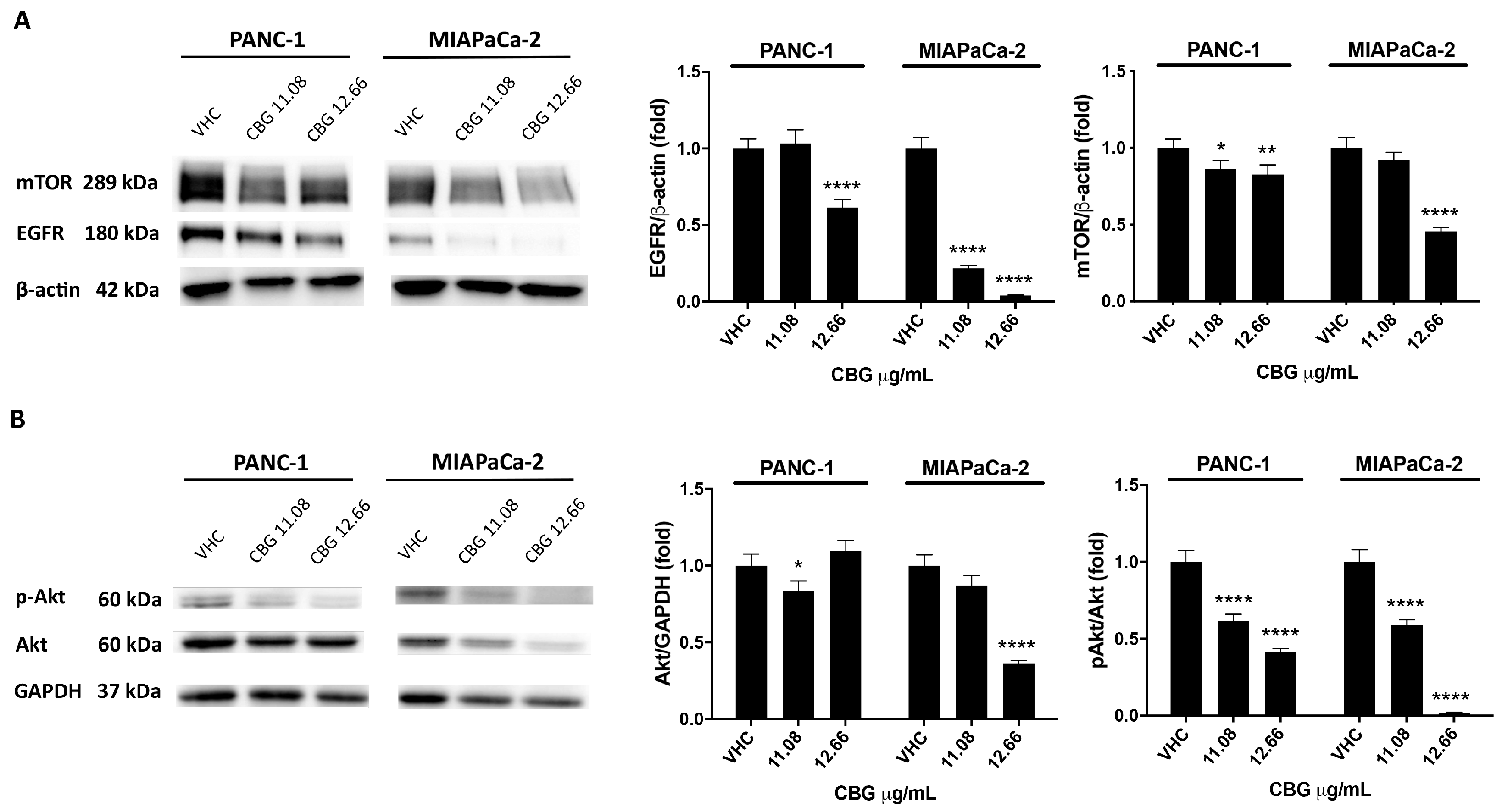
https://www.mdpi.com/1422-0067/25/4/2001 [3979]
While Turgut et al (2022) found
"Anti-cancer effects of selective cannabinoid agonists in pancreatic
and breast cancer cells":
"We found that selective CB1/2
agonists suppressed cell proliferation, clonogenicity and induced
proapoptotic function in human PANC1 pancreatic and MDA-MB-231 breast
cancer cells. Based on our findings, these agonists led to the
inhibition of both cell viability and clonogenic growth in a dose
dependent manner. CB1/2 agonists were observed to induce intrinsic
apoptotic pathway by upregulating Bax, while downregulating Bcl-2
expression levels."
https://www.elis.sk/download_file.php?product_id=7812&session_id=oh602ctcv1tfhp3l0hill6ql85
[4968]
"A Low Dose of Pure Cannabidiol
Is Sufficient to Stimulate the Cytotoxic Function of CIK Cells without
Exerting the Downstream Mediators in Pancreatic Cancer Cells" say
Garofano et al (2022).
CIK cells (cytokine-induced killer cells) are lab-expanded immune
cells — a patient's blood cells cultured with interferon-gamma,
anti-CD3 antibody, and IL-2 for a few weeks, producing a CD3+CD56+
population that kills tumor cells NK-style, without needing major
histocompatibility complex-matched antigen recognition.
https://www.mdpi.com/1422-0067/23/7/3783
[6858]
In "Cannabinoids as Potential Therapeutic Agents in the Treatment of
Pancreatic Cancer" a review by Bimonte et al (2025)...
"The search identified 46
studies, with 19 meeting the inclusion criteria (14 preclinical and 5
clinical). Preclinical studies revealed that cannabinoids, primarily
Δ9‑ tetrahydrocannabinol (THC) and cannabidiol (CBD), exert
anti‑tumor effects through mechanisms such as apoptosis induction,
cell cycle arrest, inhibition of angiogenesis, immune modulation, and
reduction of oxidative stress. Most clinical studies emphasize
cannabinoids role in symptom management rather than direct anti‑cancer
effects. A notable exception is a case series suggesting improved
survival in pancreatic cancer patients using CBD, though its
preliminary findings warrant further investigation."
https://ar.iiarjournals.org/content/anticanres/45/7/2719.full.pdf
[5130]
In 2021 Sultan et al showed the
beneficial effects of anandamide (AEA) - and by implication phytogenic
THC - in lungs, colon and the mesenteric lymph nodes experimentally
infected with Staphylococcal enterotoxin B (SEB).
"Upon analysis of vascular and
gut leakage, we noted that anandamide significantly decreased the
leakage in the lungs (Figure 2D) and the gut (Figure 2E) in the SEB +
AEA group, when compared to the SEB + VEH group."
and
"To further investigate the
effect of AEA on gut-associated immune responses, we analyzed the
effect of AEA on the mesenteric lymph nodes (MLNs). The data showed
that AEA significantly decreased the percentage and absolute numbers
of CD4 + T cells, CD8 + T cells, Vβ8 + T cells, and NKT cells in
the SEB + AEA group when compared to the SEB + VEH group of mice
(Figure 3AD)."
and
"Because we noted significant
induction of AMPs [antimicrobial peptides] following AEA treatment, we
next investigated the microbial profile in the lungs and the gut
following SEB treatment. SEB treatment increased the abundance of
microbiota in the lungs, and AEA significantly reversed this, as shown
using Chao1 rare fraction measure (Figure 5A). Beta diversity
analysis, which measured the similarity or dissimilarity between
various groups, showed that all three groups were well separated, with
the SEB + AEA group clustered away from the SEB + VEH group (Figure
5B). Additionally, representatives of the orders of Caulobacterales
and Pseudomonodales were significantly decreased in the SEB + AEA
group compared to the SEB + VEH (Figure 5C,D). To distinguish
significantly altered bacteria among the three groups, linear
discriminant analysis effect size (LEfSe) analysis (Figure 6A) was
performed and the corresponding cladogram (Figure 6B) was generated.
Data showed that there were several bacteria found to be distinctly
expressed in each of the three groups. Our LEfSe analysis of the lungs
indicated that beneficial bacteria, such as Muribaculaceae (s24-7),
was indicated in the SEB + AEA group only. Additionally, some
beneficial bacteria, such as Lachnospiraceae and Clostridia which
produce butyrate, were indicated in the SEB + AEA group but not in the
Nave or the SEB + VEH group. Interestingly, some pathogenic bacteria
such as Pseudomonas and Enterobacteriaceae were indicated in the SEB +
VEH group only but not in the Nave or SEB + AEA."
https://www.mdpi.com/2073-4409/10/12/3305 [2710]
The Major Histocompatibility
Complex (MHC) is the cellular machinery that flags tumor cells for the
immune system. However, most metastatic tumor cells have lost their
MHC expression, and thus escape immune system killing. Dada et al
(2022) set out an explanation of why "Specific cannabinoids revive
adaptive immunity by reversing immune evasion mechanisms in metastatic
tumours":
"Fascinating ethnographic and
experimental findings indicate that cannabinoids inhibit the growth
and progression of several categories of cancer; however, the
mechanisms underlying these observations remain clouded in
uncertainty. Here, we screened a library of cannabinoid compounds and
found molecular selectivity amongst specific cannabinoids, where
related molecules such as Δ9-tetrahydrocannabinol, cannabidiol,
and cannabigerol can reverse the metastatic immune escape phenotype in
vitro by inducing MHC-I cell surface expression in a wide variety of
metastatic tumours that subsequently sensitizing tumours to T
lymphocyte recognition. Remarkably, H3K27Ac ChIPseq analysis
established that cannabigerol and gamma interferon induce overlapping
epigenetic signatures and key gene pathways in metastatic tumours
related to cellular senescence, as well as APM genes involved in
revealing metastatic tumours to the adaptive immune response. Overall,
the data suggest that specific cannabinoids may have utility in cancer
immunotherapy regimens by overcoming immune escape and augmenting
cancer immune surveillance in metastatic disease. Finally, the
fundamental discovery of the ability of cannabinoids to alter
epigenetic programs may help elucidate many of the pleiotropic
medicinal effects of cannabinoids on human physiology."
https://www.ncbi.nlm.nih.gov/pmc/articles/PMC10010394/ [4659]
All of these discoveries were
of course made up to eight decades after the last medicolegal
assessment of cannabis by the international forces of prohibition
(1935).
The Court will observe that if
I wait as long as the United Nations took to discover that weed isn't
like heroin, for it to factor these discoveries about what I have been
doing to myself for the last 47 years into international law, by the
time it percolates down to tell Slovenia what the medical
establishment wants it to do, I would be 123 years old before being
able to legally obtain a longer, healthier life, with less fat, better
immunity, and less cancer.
Slovenia can be the country
that fines people and drives them out of their homes for refusing to
be fat, less immune and more cancer-prone if it wants to. This
obviously puts this drug laws as currently imagined in conflict with
the Constitution and laws to protect the person in health matters.
If people have to go to the
ECHR to get their savings back from the bank, or get compensated for
losing their house over a 100 euro bill, or as in the case of the
erased, to establish their citizens' rights, you can obviously expect
a challenge sooner or later to this idea of punishing the
self-infliction of better health.
I'm not a member of a Christian
death cult. I don't have any of the things cannabis prevents, and like
any reasonable person I will make the choices required to keep it that
way.
While all these discoveries
were being made, prohibition continued in its peaceful slumbers, and
weed was still legally the same as heroin.
----------------------------------------------------------------------------
The Englishman
stands for the rights of everyone disadvantaged, discriminated
against, persecuted, and prosecuted on the false or absent bases of
prohibition, and also believes the victims of these
officially-sanctioned prejudices have been appallingly treated and
should be pardoned and compensated.
The Englishman requests the return of his CaPs and other rightful
property, for whose distraint Slovenia has proffered no credible
excuse or cause.
The Benedictions represent both empirical entities as well as beliefs.
Beliefs which the Defence evidence shows may be reasonably and
earnestly held about the positive benefits of CaPs at the population
level, in which the good overwhelmingly outweighs the bad. Below, the
latest version of this dynamic list.
THE BENEDICTIONS
REFERENCES
TIMELINE OF DRUG LAW v. SCIENCE