BRAIN VOLUMES
As with other areas of anti-cannabis
legislation the literature on attention deficit hyperactivity disorder
is strewn with the debris of officialdom not knowing what it did not
know.
Pim Ittiphakorn, Simon Erridge, and Mikael
Sodergren of Imperial College London, James Rucker of Kings College
London, and Carl Holvey and Ross Coomber of Sapphire Medical Clinics,
explain what we now believe about cannabis and ADHD - "now" meaning 6
December 2023:
"Attention-deficit/hyperactivity disorder
(ADHD) is one of the most common psychiatric disorders, with an
estimated global prevalence of 5% in children and 2.5% in adults. The
estimated incidence of ADHD diagnosis has increased by approximately
42% in children between 2003 and 2011, and 123% in adults between 2007
and 2016 in the United States. ADHD is characterized by symptoms of
inattentiveness, hyperactivity, and impulsiveness causing functional
impairment in two or more settings (e.g., work and home). ADHD is
often associated with psychosocial difficulties, such as relationship
problems, unemployment, educational underachievement, and criminality.
Moreover, ADHD is also associated with a higher incidence of sleep
disturbance and psychiatric co-morbidities, including anxiety,
substance misuse, and depression. As a result, these issues can
significantly reduce the quality of life for individuals with ADHD.
"Current treatment for ADHD consists of a
combination of psychological therapies and both stimulant and
non-stimulant medications. Stimulants are the most commonly prescribed
medications for ADHD and target executive and attentional function.
They are considered relatively safe and effective treatments, however,
they are commonly associated with decreased appetite, insomnia,
emotional dysregulation, irritability, and an increased risk of
adverse cardiovascular events. Non-stimulant medications have been
shown to reduce ADHD-related functional impairments and co-occurring
mood disorders. Despite their effectiveness, medication adherence
rates are relatively low due to the adverse events that are commonly
experienced. This highlights the need for novel therapeutics for ADHD.
"The endocannabinoid system (ECS) plays a
vital role in cognitive function, motor coordination, and emotional
homeostasis, in addition to the regulation of dopaminergic pathways in
the brain. The ECS is a signaling network consisting of
endocannabinoids, enzymes, and cannabinoid receptors, including
cannabinoid type 1 (CB1) receptors and cannabinoid type 2 (CB2)
receptors. Dysregulation in the ECS has been implicated in the
pathophysiology of ADHD. CB1 receptors are widely distributed
throughout the central nervous system, with high levels found in
regions associated with cognitive functioning and processing, such as
the basal ganglia, cerebellum, neocortex, and hippocampus."
https://onlinelibrary.wiley.com/doi/10.1002/npr2.1240 [4264]
Although ADHD's roots as a concept can be
traced back to 1798, people didn't really believe in physiological
bases for behavioural disorders until a lot later.
In 2010 Klaus W Lange worked at the Department
of Biological and Abnormal Psychology, University of Regensburg.
According to Lange et al's "The history of attention deficit
hyperactivity disorder" printed, appropriately enough, in Attention
Deficit Hyperactivity Disorder, it was in 1902 that "defective moral
control" gained a semblance of scientific definition, focussing on
"(1) passionateness; (2) spitefulness cruelty;
(3) jealousy; (4) lawlessness; (5) dishonesty; (6) wanton
mischievousness destructiveness; (7) shamelessness immodesty; (8)
sexual immorality; and (9) viciousness. The keynote of these qualities
is self-gratification, the immediate gratification of self without
regard either to the good of others or to the larger and more remote
good of self."
https://www.ncbi.nlm.nih.gov/pmc/articles/PMC3000907/ [1888]
George F Still attempts to wrestle with the
evidence using the tools available at the time, which basically amount
to listening to stories, a physical examination, and measuring the
circumference of the troubled kids' above-average sized heads:
"Another boy was brought to me at the age of
five years with a history that for two months he had been very
excitable and had at the same time become extremely spiteful, throwing
things at people apparently in wanton spitefulness and attacking
strange children in the street without any provocation ; he had
expressed a wish one day to 'chop his mothers head off with a
chopper,' and was caught one day in the act of putting the cat into
the fire, and on a subsequent occasion- he attempted to put it into a
copper of boiling water. I saw this boy 18 months later when he was
said still to be very excitable and extremely passionate, kicking or
striking anyone who offended him. Nine months previously he had hit
his mother on the head with a big toy gun because he could not have
some trifling thing that he wanted; he was also said to be spiteful to
other children. He was untruthful, but his lying was of the purely
romantic type, so much so that it was difficult to imagine that the
boy intended to deceive. His head was unusually large, measuring 21⅜
inches in maximum circumference at the age of six and a half years. He
is a heavylooking but well-grown boy and he is fully up to the average
in school attainments. His maternal grandfather had diabetes, one
maternal uncle attempted suicide twice, and two other maternal uncles
have become confirmed drunkards. The boys parents are respectable
middle-class people and seemed to give the child excellent care."
Dr Still noticed some things we would today
ascribe to other syndromes: the pronounced epicanthic folds perhaps of
fetal alcohol syndrome, or the repetitive actions of obsessive
compulsive disorder. He looks for suspected causes in the medical
histories of family members. By today's statistical standards, Still's
collection of case histories is nothing more than anecdotal. But it's
from here the idea of a hyperkinetic disorder begins to take shape,
culminating in the new name attention deficit disorder (ADD) in 1980.
https://ia800708.us.archive.org/view_archive.php?archive=/22/items/crossref-pre-1909-scholarly-works/10.1016%252Fs0140-6736%252801%252970006-2.zip&file=10.1016%252Fs0140-6736%252801%252970022-0.pdf
[1889]
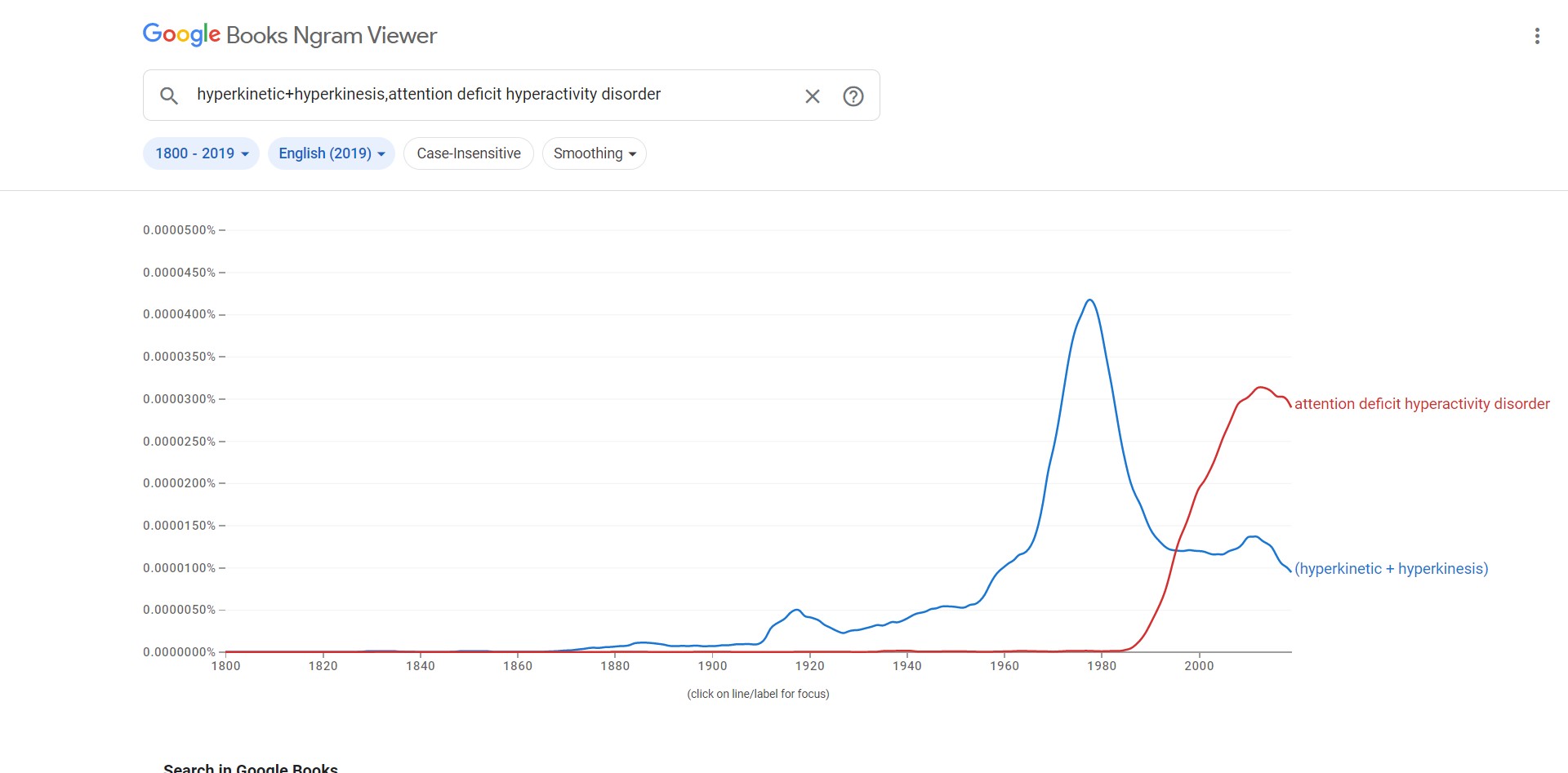
Here's how the nomenclature looks in the
English corpus
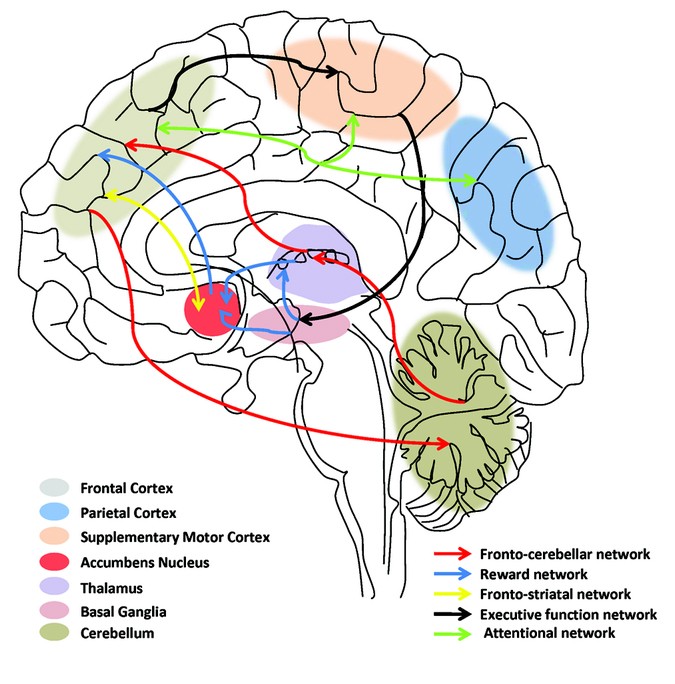
Here's a diagram to help explain the
neurobiology of ADHD, as it was understood in 2011.
According to these French authors,
"A study of pregnant mothers related or
unrelated to their child as a result of in vitro fertilization showed
that prenatal stress was linked to ADHD only when mothers were related
to their child, suggesting that the association may be accounted for
by inherited factors. A recent twin study focused on ADHD-related
conditions (antisocial behavior and substance use disorders in young
adults), has provided an important insight into mechanisms of
gene-environment influence on externalizing disorders by showing that
genetic factors contribute more to the development of behavioral
symptoms in a context of high environmental adversity, in accordance
with a diathesis-stress model. These examples illustrate the
importance of genetically informed study designs to further
disentangle environmental and genetic contributions to ADHD."
https://www.nature.com/articles/pr9201196 [2008]
From New York to Australia, Isik et al (2023)
have been looking at "Neurodevelopmental outcomes in children after
prenatal marijuana exposure"
"This study evaluated the association between
PME and neuropsychological test scores in late childhood and early
adulthood, accounting for a wide range of parental characteristics.
"Methods: This study evaluated participants
from the Raine Study, a cohort of 2868 children born between 1989 and
1992 [formerly known as the West Australian Pregnancy Cohort Study].
Children whose mothers provided information on marijuana use during
pregnancy were included. The primary outcome was the Clinical
Evaluation of Language Fundamentals (CELF) at age 10. Secondary
outcomes included the Peabody Picture Vocabulary Test (PPVT), Child
Behaviour Checklist (CBCL), McCarron Assessment of Neuromuscular
Development (MAND), Coloured Progressive Matrices (CPM), Symbol Digit
Modality Test (SDMT) and Autism Spectrum Quotient (AQ) scores. Exposed
and unexposed children were matched by propensity score using optimal
full matching. Missing covariate data were imputed using multiple
imputation. Inverse probability of censoring weighting (IPCW) was used
to adjust for missing outcome data. Linear regression within matched
sets, adjusted by IPCW, evaluated score differences between exposed
and unexposed children. As a secondary analysis, modified Poisson
regression, adjusted by match weights and IPCW, evaluated the risk of
clinical deficit in each outcome following PME.
"Results: Of the 2804 children in this cohort,
285 (10.2%) had PME. After optimal full matching and IPCW, exposed
children scored similarly on CELF Total (-0.33 points, 95% confidence
interval [CI] -4.71, 4.05), Receptive (+0.65 points, 95% CI -4.08,
5.38) or Expressive (-0.53 points, 95% CI -5.07, 4.02). PME was not
associated with secondary outcomes or risks of clinical deficit in any
neuropsychological assessments.
"Conclusions: After adjusting for
sociodemographic and clinical covariates, PME was not associated with
worse neuropsychological test scores at age 10 or autistic traits at
19-20."
https://pubmed.ncbi.nlm.nih.gov/37283466/ [2713]
NIJZ (2017) had some information about ADHD,
but about ADHD in Slovenia not so much.
"Various epidemiological studies have found
that for the primary school population, the prevalence ranges from
2.4% to 19.8%. A recent meta-study on 175 different prevalence studies
carried out over the last 36 years estimated the prevalence of
hyperkinetic disorder at 7.2%. The disorder is more common in boys,
with a sex ratio of 3-4:1. It should be pointed out that the impact of
sex is not yet fully understood and that the sex ratio almost evens
out in adulthood.
"In Slovenia, there are no data on prevalence
and incidence, but there are data on visits to GPs or specialist
outpatient clinics for hyperkinetic disorder, where an increase in the
number of visits can be observed in recent years."
The causes:
"The cause of the disorder is not yet fully
understood and is likely to be a combination of environmental and
genetic risk factors, the latter of which play a primary role:
"Genetic factors (family history of the
disorder).
Neurophysiological factors (differences in the
frontal regions of the brain - reduced volume of the prefrontal cortex
and reduced thickness of the anterior cingulate cortex, as well as
cortical thinning in both upper frontal regions of the brain).
"Neurochemical factors (neurochemical
peculiarities - in particular in the action of neurotransmitters that
affect executive functions and cause excessive activity,
distractibility or impulsivity - excessive noradrenaline activity,
dopamine deficiency).
"Psychosocial factors (stressful psychiatric
events, anxiety-provoking factors, the child's temperament, emotional
deprivation and society's demands that behaviour be adapted to the
environment)."
https://web.archive.org/web/20220519122733/https://www.nijz.si/sl/bi-prepoznali-hiperkineticno-motnjo
[1883]
Dopamine was first identified in 1910 as an
intermediary in the synthesis of adrenaline and noradrenaline.
https://physoc.onlinelibrary.wiley.com/doi/epdf/10.1113/jphysiol.1910.sp001392
[2200]
It was not until 1957 that it was found in the
brains of several species including humans, and in the following
years:
"...studies on the mechanisms of the
first-generation of antipsychiatric drugs, pioneered by Arvid
Carlsson, identified dopamine as a neurotransmitter playing a role in
motor and mental functions. In parallel, Oleh Hornykiewicz and others
found that dopamine plays a critical role in movement regulation in
Parkinson disease. Finally, while studying the mechanisms of slow
neurotransmission, Paul Greengard and others revealed how dopamine
acts on dopamine receptors, activates downstream signalling pathways,
and modulates neuronal activity and synaptic plasticity." [2199]
So here, for instance, we see work on the
effects of drugs on adrenalin and noradrenaline steaming ahead in
1954, with not a mention of dopamine, which had been so named in 1952.
It is there, though, lurking in the "total amines", for example in
Table 15.
More than a quarter of a century after the
Opium Conference, dopamine's roles in motor control, modulation of
behavior and cognition, motivation and reward, inhibition of prolactin
production, sleep, dreaming, mood, attention, working memory, and
learning was as yet unknown. [2205]
But in Table 9 we can see that cats on
caffeine had hypothalamic noradrenaline 109% of the control's. In cats
on insulin it was 66.6% of the normal value, while morphine
hydrochloride produced 56.6% of the control or lower.
https://www.ncbi.nlm.nih.gov/pmc/articles/PMC1366219/pdf/jphysiol01416-0041.pdf
[2202]
In 1957 came the recognition of dopamine as a
neurotransmitter:
https://www.nature.com/articles/1801200a0.pdf [2201].
As of 2022, dopamine unknowns included the
"...precise mechanisms and locations along the
axons and dendrites that dopamine is released, the structure and
organization of dopamine receptors, dopaminergic neuron
subpopulations, their projections and regulations, the role of glial
cells in shaping dopamine functions, the patterns of dopamine release
at a single synapse, and across large brain areas, and the time scale
of dopamine modulation on intrinsic neuronal excitability and synaptic
plasticity."
https://www.frontiersin.org/research-topics/27370/brain-dopaminergic-mechanisms
[2199]
Dopamine theory remains restless. In a 2023
paper in Nature Neuroscience, as explained in Wired's article
"Everyone Was Wrong About Antipsychotics":
"[Northwestern University neuroscientist
Jones] Parker shows that an assumption about antipsychotics thats
almost as old as the drugs themselves is . well, wrong.
"Neuroscientists have long thought that
antipsychotics dampen extreme dopamine transmission by sticking to
receptors in a type of cell called spiny projection neurons, or SPNs.
The drugs basically box out the dopamine at receptor proteins called
D1 or D2 (where 'D' stands for dopamine). Each of the spiny neurons
sport either D1 or D2theyre genetically distinct. Experiments on calf
brain extracts in the 1970s showed that the most powerful
antipsychotics are the ones that cling strongly to the D2 SPNs in
particular, so decades worth of antipsychotics were designed and
refined with D2 in mind.
"But when Parkers team probed how four
antipsychotics affect D1, D2, and mouse behavior, they found that the
most drug interaction is actually happening at D1 neurons."
By using 2g microscopes to peer into living
mouse brains via a tiny endoscope, Parker was able to study a model of
amphetamine psychosis and the effect of haloperidol, olanzapine,
clozapine and a failed drug candidate MP-10.
"The notion that D1 receptors may be a more
important target upends decades of research in a $15 billion market
for drugs that are famously erratic. Antipsychotics dont work for
about 30 percent of people who try them. Theyre plagued by side
effects, from extreme lethargy to unwanted facial movements, and
rarely address the cognitive symptoms of psychosis, like social
withdrawal and poor working memory."
Parker's next plan is to see what happens with
D1 partial agonists.
"The drugs compensate for high dopamine and
low dopamine. Its a different approach than just blocking dopamine
altogether, and Parker hopes his new results bode well for D1 partial
agonists in particular. Thats because despite having more dopamine in
their striatum, people with schizophrenia actually have lower dopamine
levels in their cortex, a feature that neuroscientists think
contributes to social withdrawal and forgetfulness. 'Such a drug could
be both antipsychotic and cognition-promoting,' Parker says. His lab
has begun testing candidates."
https://www.wired.com/story/everyone-was-wrong-about-antipsychotics/?utm_medium=social&utm_source=twitter&utm_brand=wired-science&mbid=social_tw_sci&utm_social-type=owned
[2875]
https://www.nature.com/articles/s41593-023-01390-9 [2876]
Were it not for those pesky patents, Parker
would not need to look very far, as describing their work which
"mark[ed] the first demonstration of partial agonist/antagonist
effects of THC in vivo" in 2012, Paronis et al, over at Northeastern
University in Boston, Mass., explain:
"The designation of a drug as a full or a
partial agonist is always related to the effects of other drugs in
that pharmacological class on the variable being measured. Thus,
although we find that THC is a partial agonist in producing
hypothermia in mice, it must still be considered a full agonist under
conditions in which it produces the maximum possible effect, including
antinociception, decreased locomotor activity, and THC discrimination
(Compton et al., 1992; Fan et al., 1994; McMahon and Koek, 2007;
Ginsburg et al., 2012). Some studies have used the strategy of
decreasing the number of available receptors to rank the relative
efficacy of opioid drugs that have full agonist effects in vivo (Adams
et al., 1990; Paronis and Holtzman, 1992). A similar approach has been
used to define THC as a partial agonist indirectly, insofar as it
shows greater tolerance than other cannabinoid agonists in vivo (Hruba
et al., 2012). Our results extend these findings by indicating that
acute administration of THC has partial agonist and antagonist effects
in otherwise drug-naive animals. Insofar as the apparent partial or
full agonist effects of drugs reflect their intrinsic properties, it
seems likely that THC in vivo has lower efficacy than AM2389 and, as
has been shown in vitro, other cannabinoid agonists."
https://www.ncbi.nlm.nih.gov/pmc/articles/PMC3697741/ [2877]
In 2023 an international collaboration
"...compared the shared genetic risk and
biological foundations of neurological and mental illnesses using
roughly one million cases from genome-wide association studies
(GWAS)."
"Psychiatric disorders were more polygenic
than neurological disorders, with pediatric-onset disorders having the
highest single nucleotide polymorphism (SNP) heritability. The finding
supported the hypothesis that multiple causal pathways may converge on
the same mental illness while fewer causal pathways may underlie
neurological disorders.
"The estimated polygenicity for psychiatric
diseases and COG [general cognitive ability] was greater than that for
neurological diseases, somatic disorders, cortical imaging
evaluations, and height. Most polygenic phenotypes had low
discoverability, indicative of a higher proportion of trait-affecting
variants with smaller effect sizes.
"The study found that 40 of 45 genetic
correlations among psychiatric disorders and 12 of 45 correlations
among neurological disorders reached significance."
https://www.news-medical.net/news/20230801/Research-reveals-surprising-genetic-overlap-between-neurological-and-psychiatric-disorders.aspx
[2878]
https://www.medrxiv.org/content/medrxiv/early/2023/07/23/2023.07.21.23292993.full.pdf
[2879]
A 2020 review of ADHD studies points to a
strong genetic link.
"The formal heritability of ADHD is about
80%."
https://www.ncbi.nlm.nih.gov/pmc/articles/PMC7046577/ [1890]
Do you think ADHD [known as HKM in Slovene] is
associated with criminal behaviour?
PsychCentral.com has some ideas about why
people with ADHD might lie:
"Impulsivity often plays a role in why people
with ADHD lie.
"Sam Goldstein, PhD, a licensed psychologist
in Utah, explains people with ADHD have a tendency to act without
thinking first while under stress (impulsive behavior).
'This alone [may] lead to an increased
probability that an impulsive person may lie to avoid responsibility
or manipulate others to achieve a goal,' Goldstein says.
"Still, he clarifies that 'theres limited, if
any, scientific evidence that ADHD itself drives deceitful behavior.
However, combined with other personality and mental health challenges
may lead to an increased risk of lying.'
"Some people with ADHD may develop a habit of
lying, which, for some, could be a form of compulsive lying.
"Although lying can be a disruptive behavior,
white lies can often be harmless in nature. For example, difficulty
staying focused during a conversation can lead to someone lying to
pretend like they were listening to not hurt someones feelings.
"People with ADHD with a poor memory might
also forget something that happened, then say it didnt when it
actually did. To the other person in the conversation, this may appear
as lying.
"Some other reasons why adults or kids with
ADHD may lie may include:
"covering up an impulsive behavior that
resulted in an unwanted consequence forgetting what happened and lying
to pretend like they remember responding impulsively with a lie due to
hyperactivity hiding a lack of understanding of something with a lie
wrongly answering questions they didnt listen to because they were
distracted telling white lies out of difficulty expressing themselves
impulsively making promises they cant keep Challenges with executive
functions can also make it harder for people with ADHD to process
information or speak and listen clearly. This could lead to
miscommunications, which may wrongly be considered lies."
https://psychcentral.com/adhd/adhd-and-lying#explanation [1882]
According to "The Relationship between Adult
Symptoms of Attention-Deficit/Hyperactivity Disorder and Criminogenic
Cognitions" (2019) by Englehardt et al
"The relationship between ADHD in particular
hyperactivity and criminal behavior is well documented."
and
"The first multiple regression examined
whether the factor-derived subscales predicted total criminogenic
cognitions. The overall model was significant F(4,187) = 52.13, p <
0.001. The R2 was 0.53, and age, gender, inattention/memory problems,
and impulsivity/emotional lability were all retained as predictors
(see Table 4). As predicted, higher age and being female were
negatively related to criminogenic cognitions, and the factor-derived
subscales were positively related to criminogenic cognitions. However,
contrary to expectations, inattention/memory problems was more
strongly associated with criminogenic cognitions than was
impulsivity/emotional lability."
https://www.ncbi.nlm.nih.gov/pmc/articles/PMC6627881/ [1879]
120 years after Dr Still's lecture, instead of
measuring big heads, we now measure small brains.
According to "Subcortical brain volume
differences in participants with attention deficit hyperactivity
disorder in children and adults: a cross-sectional mega-analysis" by
Hoogman et al, and published in the Lancet (2017):
"Our sample comprised 1713 participants with
ADHD and 1529 controls from 23 sites with a median age of 14 years
(range 463 years). The volumes of the accumbens (Cohen's
d=−015), amygdala (d=−019), caudate (d=−011),
hippocampus (d=−011), putamen (d=−014), and intracranial
volume (d=−010) were smaller in individuals with ADHD compared
with controls in the mega-analysis. There was no difference in volume
size in the pallidum (p=095) and thalamus (p=039) between people with
ADHD and controls. Exploratory lifespan modelling suggested a delay of
maturation and a delay of degeneration, as effect sizes were highest
in most subgroups of children (<15 years) versus adults (>21
years): in the accumbens (Cohen's d=−019 vs −010),
amygdala (d=−018 vs −014), caudate (d=−013 vs
−007), hippocampus (d=−012 vs −006), putamen
(d=−018 vs −008), and intracranial volume (d=−014 vs
001). There was no difference between children and adults for the
pallidum (p=079) or thalamus (p=089). Case-control differences in
adults were non-significant (all p>003). Psychostimulant medication
use (all p>015) or symptom scores (all p>002) did not influence
results, nor did the presence of comorbid psychiatric disorders (all
p>05)."
Their interpretation of these and other
results:
"With the largest dataset to date, we add new
knowledge about bilateral amygdala, accumbens, and hippocampus
reductions in ADHD. We extend the brain maturation delay theory for
ADHD to include subcortical structures and refute medication effects
on brain volume suggested by earlier meta-analyses. Lifespan analyses
suggest that, in the absence of well powered longitudinal studies, the
ENIGMA cross-sectional sample across six decades of ages provides a
means to generate hypotheses about lifespan trajectories in brain
phenotypes."
https://www.thelancet.com/journals/lanpsy/article/PIIS2215-0366(17)30049-4/fulltext
[1880]
What do the diagnosed ADHD cases, with their
apparently permanently misdeveloped brains, think about the utility of
cannabis?
In "'I Use Weed for My ADHD': A Qualitative
Analysis of Online Forum Discussions on Cannabis Use and ADHD"
Mitchell et al in North Carolina examined 268 online forum threads.
20% were then randomly selected. This 20% was then whittled down for
various reasons, leaving 46 threads containing 880 individual posts of
which 401
"Twenty-five (25%) percent of individual posts
indicated that cannabis is therapeutic for ADHD, as opposed to 8% that
it is harmful, 5% that it is both therapeutic and harmful, and 2% that
it has no effect on ADHD. This pattern was generally consistent when
the year of each post was considered. The greater endorsement of
therapeutic versus harmful effects of cannabis did not generalize to
mood, other (non-ADHD) psychiatric conditions, or overall domains of
daily life. Additional themes emerged (e.g., cannabis being considered
sanctioned by healthcare providers)."
Co-author Dr Kollins
"...has received research support and/or
consulting fees from the following: Akili Interactive, Alcobra, Arbor,
Atentiv, Ironshore, Neos, NIH, Neurovance, Purdue, Rhodes, Shire,
Sunovion, and Tris in the past 2 years. This does not alter the
authors adherence to PLOS ONE policies on sharing data and materials.
None of the other authors have any additional declarations."
Here comes the "cannabis use disorder"...
"In the largest meta-analysis to date
examining the prospective association of ADHD with cannabis use, ADHD
youth were nearly three times as likely to report cannabis use in
later life compared to non-ADHD youth; and ADHD children were more
than 1.5 times as likely to be subsequently diagnosed with a CUD."
Well of course they are, because they are at
the very least 1.5 times more likely to come into contact with social
workers who believe in "cannabis use disorder". They are more likely
to be in the justice or mental health systems which take a criminal
rather than a health-based perspective. All these people would be very
disappointed if cannabis turned out to be a net positive. Their
ignorance is motivated. This study does not consider these effects on
the prevalence - it's sole purpose is to analyse the fora.
The authors find
"...that at least three times as many comments
advocated for therapeutic effects of cannabis on ADHD compared to
comments that cannabis is harmful, both therapeutic and harmful, or
has no effect on ADHD."
The authors do not mention placebo effect
specifically, but do admit:
"...no inferences can be drawn about the
prevalence of perceptions regarding the effects of cannabis on ADHD in
patients with the disorderthat was beyond the scope of the present
study (i.e., to assess the content of online data referring to
cannabis and ADHD in forums)."
https://journals.plos.org/plosone/article/file?id=10.1371/journal.pone.0156614&type=printable
[1181]
Perhaps the reason cannabis and ADHD is not
such a popular area for hard science lies, again, in the desires of
the competitors - makers of Ritalin and a panoply of other ADHD drugs.
A study of patients with medical cannabis and ADHD diagnoses, 70% with
other mental health conditions, concluded:
"Although MC is not directly indicated for
ADHD, low ADHD symptom frequency and ADHD medication-sparing effects
were found to be associated with MC treatment. In addition, high
dosage of CBN was associated with lower ASRS [ADHD self-report scale],
hinting at a possible combination effect in whole-plant MC treatment.
Nevertheless, although we found the abovementioned association with
CBN, it is minorly expressed in most MC cultivars, thus, we assume
that other phyto-cannabinoids might be more essential for the effect
on ADHD patients."
https://www.rmmj.org.il/userimages/1036/1/PublishFiles/1038Article.pdf
[1884]
Aleksi Hupli of the Tampere University in
Finland presents a case report in which an ADHD patient had gastric
problems with Ritalin and alcohol, and having heard about a delta-9
THC product Bedrocan was able to move the mountain in just six months:
"After receiving this confirmation that the
legal framework supported his right to access cannabinoids, the
patient began to formally seek Bedrocan as a substitute medication for
methylphenidate. It was hoped that cannabinoids would offer equivalent
or better efficacy with more tolerable adverse effects. After failing
to find a Finnish psychiatrist or neurologist with sufficient medical
knowledge of CT, the patient exercised his right to patient
self-determination and finally, in June 2010, visited the prescribing
physician behind the small European ADHD study in Germany. Afterwards,
the patient returned to Finland with prescriptions for standardized
Bedrocan and Bediol medicinal cannabis products.
"Upon arrival to Finland, the next challenge
for the patient was to find a suitable Finnish physician to validate
the prescriptions for the cannabinoid treatment model. It took him
until October 2010 − a period of almost 4 months − to find
a suitably qualified neurologist who was prepared to endorse the
treatment model. At that time, the patient presented the prescribing
neurologist with a challenge: no Finnish neurologist or psychiatrist
had previously substituted Bedrocan for short-acting methylphenidate
as a pharmacological intervention for a neuropsychiatric medical
condition. Clinical guidelines for adult ADHD were only introduced in
Finland in 2017, updating pediatric treatment guidelines published in
2007, which were updated for adolescents in 2013. These guidelines
mention no possibility of CT for either adult, adolescent, or
pediatric ADHD. However, the Bedrocan application was submitted to
Fimea in late November 2010 and approved by the end of December 2010."
Some other case reports are also presented.
https://pmc.ncbi.nlm.nih.gov/articles/PMC8489316/ [3935]
In search of mechanisms which might explain
the efficacy of cannabis for some with ADHD, NIH neurophysiologists
Lupica et al in "Marijuana and cannabinoid regulation of brain reward
circuits" (2009) explain:
"Distinct physiological roles in which
endocannabinoids act as retrograde messengers have been described in
several brain regions, including the NAc and VTA (Robbe et al., 2002;
Melis et al., 2004). In this capacity, endocannabinoids that are
released from postsynaptic neurons upon depolarization activate
presynaptic CB1 receptors and inhibit neurotransmitter release. This
suggests that the endocannabinoid system may play additional important
roles in the regulation of ongoing synaptic brain function (Alger,
2002; Wilson & Nicoll, 2002)."
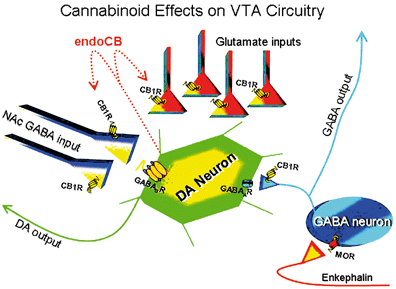
The mechanisms elucidated by 2009 were:
"First, the ability of systemic cannabinoids
to increase extracellular DA concentrations in the NAc is reversed by
systemic and intra-VTA opioid antagonist administration (Chen et al.,
1990; Tanda et al., 1997), but the increase in DA neuron-firing rates
caused by Δ9-THC are not (French, 1997). Second, the direct
infusion of Δ9-THC into the VTA does not increase DA
accumulation in the NAc (Chen et al., 1993). Third, it has recently
been demonstrated that synthetic cannabinoid agonists and
endocannabinoids, acting in a retrograde manner, can also inhibit
glutamate release onto neurons in the VTA in vitro (Melis et al.,
2004), which would tend to diminish the excitatory input to DA neurons
in the VTA and reduce the probability of bursting (Johnson et al.,
1992; Kitai et al., 1999). Finally, preliminary data from our
laboratory indicate that CB1 receptors are also located on GABAergic
terminals believed to originate from NAc medium spiny output neurons
(Walaas & Fonnum, 1980; Heimer et al., 1991) that target GABAB
receptors on DA neurons in the VTA (Sugita et al., 1992), suggesting a
second possible disinhibitory mechanism (Riegel et al., 2003). This
latter study, taken together with that of Szabo et al. (2002), implies
that cannabinoids acting at CB1 receptors can inhibit the release of
GABA in the VTA that is derived from both intrinsic and extrinsic
sources, and further that the inputs from the NAc to the VTA may
represent a critical pathway for the expression of cannabinoid
reward."
https://bpspubs.onlinelibrary.wiley.com/doi/full/10.1038/sj.bjp.0705931
[1885]
By 2009 Albayram et al felt able to declare with certainty that
"Mice lacking the Cnr1 gene (Cnr1−/−), which encodes the
cannabinoid receptor 1 (CB1), showed an accelerated age-dependent
deficit in spatial learning accompanied by a loss of principal neurons
in the hippocampus....The ongoing process of pyramidal cell
degeneration and neuroinflammation can exacerbate each other and both
contribute to the cognitive deficits. Deletion of CB1 receptors from
the forebrain GABAergic, but not from the glutamatergic neurons, led
to a similar neuronal loss and increased neuroinflammation in the
hippocampus as observed in animals lacking CB1 receptors in all cells.
Our results suggest that CB1 receptor activity on hippocampal
GABAergic neurons protects against age-dependent cognitive decline by
reducing pyramidal cell degeneration and neuroinflammation."
And that:
"During aging, an increase in the expression levels of proinflammatory
cytokines takes place in the brain. We detected a significant increase
in the expression of IL-6 in 12-moold Cnr1−/− mice,
whereas the expression of IL-1β, IL-6, or TNF did not differ
between 2-mo-old and 12-mo-old wild-type animals, in accordance with
previous reports. Changes in cell morphology and expression of surface
proteins and inflammatory cytokines have different dynamics and
onsets. Elevation of IL-6 levels has consistently been related to
aging, and high levels of IL-6 are associated with an increased risk
of cognitive decline. The fact that IL-6 but not IL-1β or TNF
expression is increased suggests that the increase in IL-6 expression
is one of the first steps in the gradual activation of microglial
cells."
https://www.pnas.org/doi/full/10.1073/pnas.1016442108 [5404]
Obviously, back in 2009, these authors were stuck in an anti-cannabis
mindset.
This has modified over the years. In 2022, to gauge attitudes of
perceived risk, Jack T Waddell of Arizona State University looked at
the trend:
"Public access data from the National Study on
Drug Use and Health from 2002 to 2019 were used (N = 1,005,421).
Structural Equation Models tested whether study year (linear trend),
was associated with alcohol- and cannabis-related risk perceptions
(correlated outcomes), and whether age (adolescence [12-17], emerging
adulthood [18-25], adulthood [26-35], middle adulthood [36-49], and
older adulthood [50+]) moderated time trends. Sex, race/ethnicity, and
use frequency were covaried.
"Results: The linear trend of study year was
associated with decreased cannabis-related risk perceptions (p <
.001). There was also a significant interaction of age by study year
for cannabis-related risk perceptions, such that adults, emerging
adults, and middle adults had the largest decrease in attitudes over
time. For alcohol-related risk perceptions, the linear trend of study
year was significantly associated with increased risk perceptions (p =
.001), but the interaction of time by age was non-significant;
alcohol-related effects were extremely small (b < 0.01)."
Mysteriously, Waddell concludes:
"Findings underscore the importance of
targeting permissive cannabis-related attitudes via prevention
efforts."
But he doesn't say why all these people's
perceptions are wrong, or why he thinks his perception is better than
all of theirs, or why he thinks 18-49 year olds are particularly
wrong.
https://pubmed.ncbi.nlm.nih.gov/34461500/ [1886]
Another study of risk perception around
cannabis enrolled 18,794 adults age ≥65 years participating in the
20152019 National Survey on Drug Use and Health, a cross-sectional
nationally representative survey of non-institutionalized individuals
in the U.S.
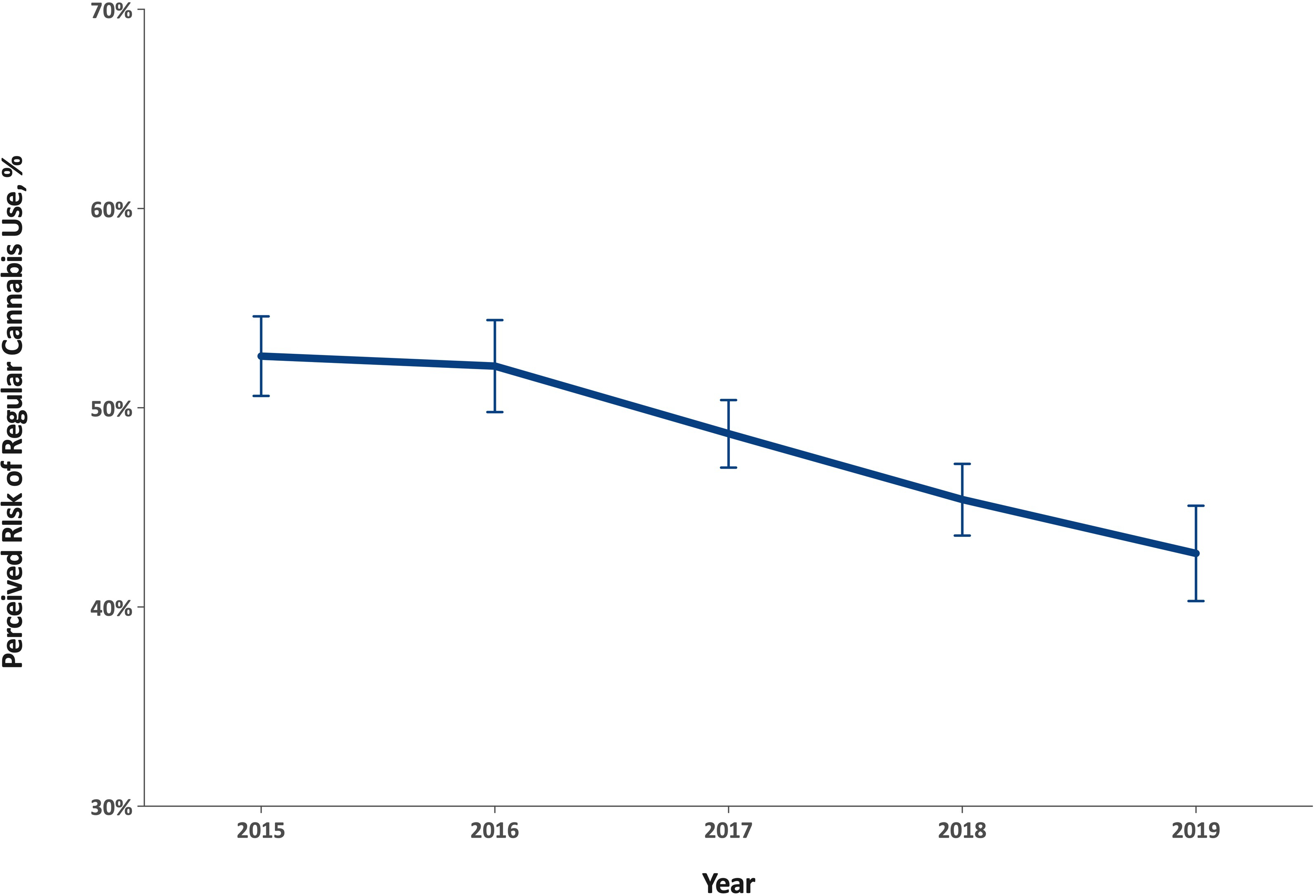
"Between 2015 and 2019, perceived risk
associated with regular use decreased from 52.6% to 42.7%, an 18.8%
decrease (p<0.001). Decreases in perceived risk were detected in
particular among those never married (a 32.6% decrease), those who
binge drink (a 31.3% decrease), use tobacco (a 26.8% decrease), have
kidney disease (a 32.1% decrease), asthma (a 31.7% decrease), heart
disease (a 16.5% decrease), chronic obstructive pulmonary disease (a
21.5% decrease), two or more chronic conditions (a 20.2% decrease),
and among those reporting past-year emergency department use (a 21.0%
decrease) (ps<0.05)."
The authors note:
"The increase in interest for cannabis use as
a therapeutic drug for a variety of health conditions and its decrease
in stigma likely helps explain the drop in perceived risk among older
adults."
and most tellingly about knowability as a
problem for the sheep-like mentality upon which prohibition depends:
"We also found a larger decrease in risk
perception in states where cannabis is legal compared to states where
it is not."
A moment's reflection will reveal to the
curious onlooker that the legal status of cannabis and the sum of the
physical harms and benefits are independent variables: there is no
mechanism whereby cannabis could affect ADHD or insulin or PPAR-gamma
or melanoma rates as a function of the law. The only harm which could
arise as a dependent variable of the legal status of cannabis is harm
caused by prohibition itself. Yet prohibition would like to arrange
matters such that it does not have to address health issues at all,
preferring to operate via innuendo and folk psychology
https://www.ncbi.nlm.nih.gov/pmc/articles/PMC8440375/ [1887]
So in relation to ADHD and cannabis, we have
learned at least three things: ADHD brain damage is irreparable,
endocannabinoid mechanisms are involved in the function of the VTA,
and more patients think it makes them think better than think the
opposite.
In relation to cannabis safety generally, we
have learned along the way that large shifts in opinion towards
cannabis are found in people with no motivation to add to their health
difficulties, and finally that researchers in this area don't like
this and are biased against cannabis generally for no reason they care
to explain.
"The global ADHD therapeutics market size is
estimated to be worth USD 29.56 billion in 2022 and USD 45.68 billion
by 2027."
Besides COVID, which has boosted ADHD
symptoms,
"The growing incidence of ADHD due to rough
impact of unstable lifestyles and additives in childrens diet across
the world is fundamentally driving the market growth as there is no
treatment to for this disorder."
https://www.marketdataforecast.com/market-reports/attention-deficit-hyperactivity-disorder-therapeutics-market
[1891]
My impression is Europe has nothing like the
cornucopia of drug choices available to American homo sapiens.
https://www.medicalnewstoday.com/articles/325201#medication-list
[1892]
The prohibition narrative grinds on, as in
Huang and Lupica (2019) whose glass half-empty view is that
"...chronic Δ9-THC shifts the strength
of glutamatergic activation of NAc from cortical to sub-cortical
limbic sites, and we hypothesize that this contributes to deleterious
effects of cannabis in humans."
https://www.ncbi.nlm.nih.gov/pmc/articles/PMC7002212/ [1893]
Yet isn't this exactly what is claimed for
Europe's ADHD drug of choice Ritalin - methylphenidate hydrochloride?
https://pure.mpg.de/rest/items/item_1835660/component/file_1835659/content
[1894]
It turns out to be connected with the reason
some people like marijuana and some don't.
Rodents don't like THC, and why this should be
is all about this reward system.
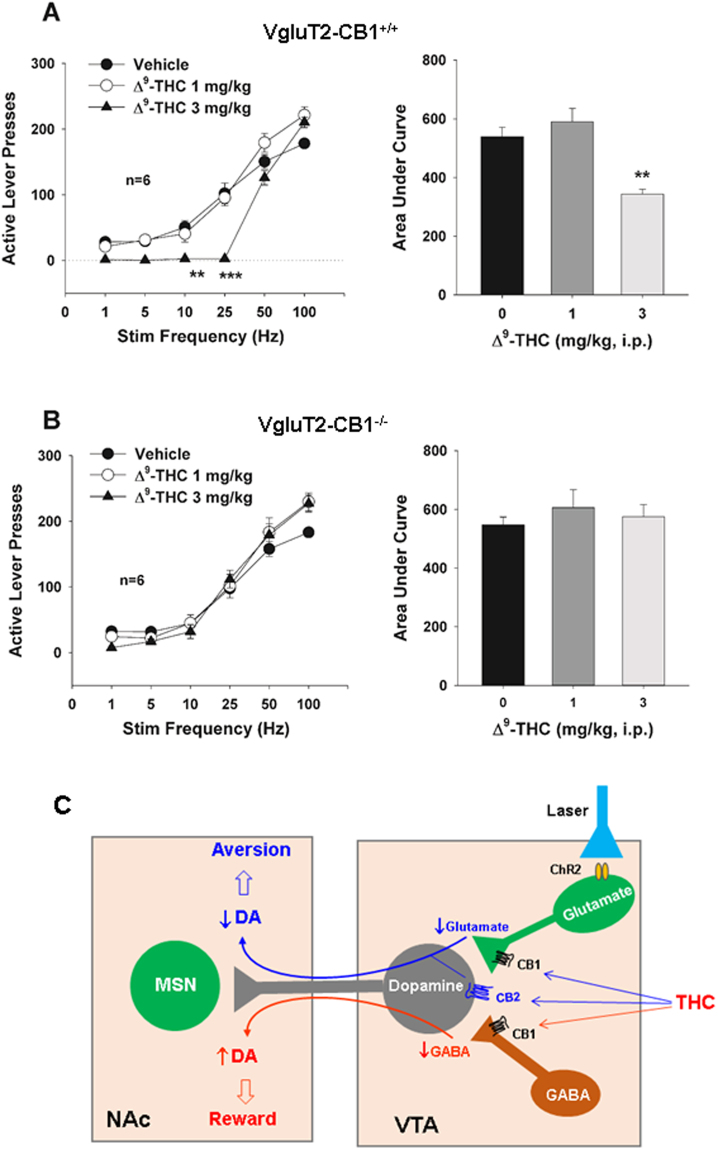
Thanks to Han et al (2017) who in "CB1
Receptor Activation on VgluT2-Expressing Glutamatergic Neurons
Underlies Δ9-Tetrahydrocannabinol (Δ9-THC)-Induced
Aversive Effects in Mice" attest that:
"Δ9-tetrahydrocannabinol (Δ9-THC),
the major psychoactive component of cannabis, produced dose-dependent
conditioned place aversion and a reduction in the above optical ICSS
[intra cranial self stimulation] in VgluT2-cre control mice, but not
in VgluT2-CB1 −/− mice. These findings suggest that
activation of CB1Rs in VgluT2-expressing glutamate neurons produces
aversive effects that might explain why cannabinoid is not rewarding
in rodents and might also account for individual differences in the
hedonic effects of cannabis in humans."
https://www.ncbi.nlm.nih.gov/pmc/articles/PMC5614984/ [1896]
"The IRPBeijing study, together with other
evidence, suggests that THC will be experienced as pleasurable or
otherwise depending largely on its net effect on two sets of neurons
(see Figure 2). In addition to glutamatergic neurons, the VTA is also
home to neurons that release the neurotransmitter gamma-aminobutyric
acid (GABA). Previous studies have demonstrated that these two types
of neurons exert opposite effects on VTA dopamine-releasing neurons.
Whereas glutamatergic neurons stimulate the dopaminergic neurons to
release dopamine into the brains reward center, GABA-ergic neurons
inhibit them. Consequently, THC inhibition of VTA glutamate neurons
indirectly reduces dopamine activity in the reward center, leading to
aversion, and THC inhibition of GABA-ergic neurons increases dopamine
activity, producing euphoria.
"In the rodent VTA, the researchers note,
glutamatergic neurons produce more CB1 mRNA, and thus more CB1
receptors, than do GABA-ergic neurons. Hence, when the rodent VTA is
exposed to THC, the drugs inhibition of CB1 in glutamatergic neurons
predominates, producing primarily aversive effects. In the human VTA,
in contrast, CB1 levels may be more similar in glutamatergic and
GABA-ergic neurons. As a result, when a person is exposed to THC, the
experience can be rewarding, aversive, or neutral."
https://nida.nih.gov/news-events/nida-notes/2018/03/why-marijuana-displeases
[1895]
An unpopular association was obtained by
"Course of Schizophrenia in Different Countries" (1987):
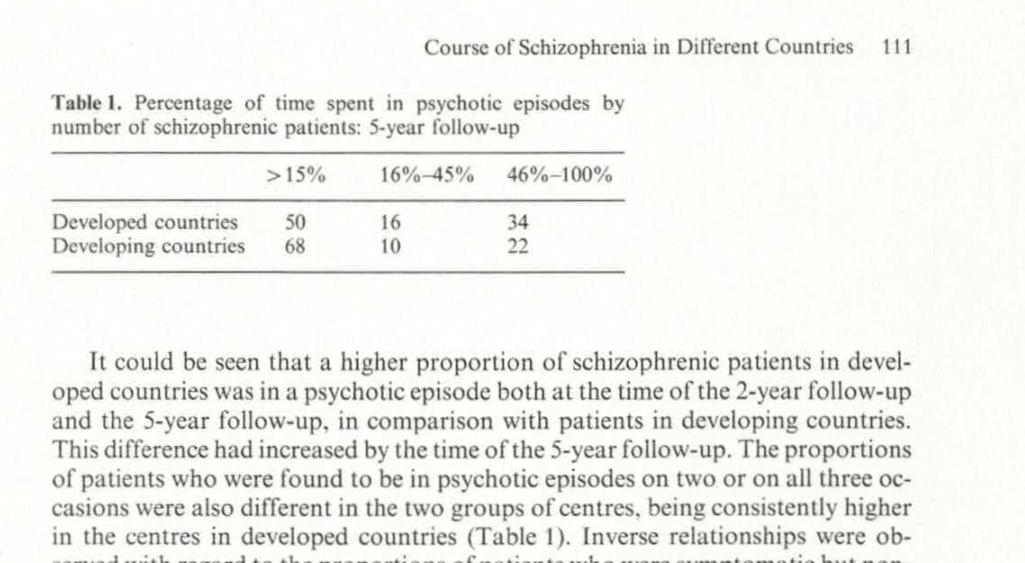
https://www.researchgate.net/publication/284638496_Course_of_Schizophrenia_in_Different_Countries_Some_Results_of_a_WHO_International_Comparative_5-Year_Follow-up_Study/link/588f03aca6fdcc8e63cbb90a/download
[4177]
...while Saha et al (2007) add:
"The prevalence of schizophrenia in migrants
was higher compared to native-born individuals: the
migrant-to-native-born ratio median (10%-90% quantile) was 1.8
(0.9-6.4). When sites were grouped by economic status, prevalence
estimates from "least developed" countries were significantly lower
than those from both "emerging" and "developed" sites (p = 0.04).
Studies that scored higher on a quality score had significantly higher
prevalence estimates (p = 0.02)."
https://journals.plos.org/plosmedicine/article?id=10.1371/journal.pmed.0020141
[4178]
And now...brain volumes and schizophrenia.
For the psychiatrists of Bergen, there was
simply no explanation. "Paradoxically," they say, "most neurocognitive
studies on schizophrenia have shown cannabis use to be a marker of
superior performance on neuropsychological tests."
Why is it paradoxical? Experimenter bias?
"A systematic literature review revealed
better cognitive functioning in cannabis-using compared to
non-cannabis-using patients in a majority of the reviewed 23 studies
(Lberg and Hugdahl, 2009). This pattern has been replicated by later
studies (DeRosse et al., 2010; Rodriguez-Sanchez et al., 2010), also
including two meta-analyses (Rabin et al., 2011; Yucel et al., 2012)."
It's all very worrying for the anti-cannabis
dogma, as:
"Studies comparing schizophrenia patients with
and without cannabis use by means of structural MRI and diffusion
tensor imaging (DTI) have shown more normalized (Dekker et al., 2010),
more anomalous (Szeszko et al., 2007; Bangalore et al., 2008; Rais et
al., 2008; Ashtari et al., 2011; Ho et al., 2011; James et al., 2011;
Solowij et al., 2011), and equivalent (Block et al., 2000; Cahn et
al., 2004; Wobrock et al., 2009; Cohen et al., 2012) brain anatomy in
the cannabis group, thus making firm conclusions difficult also when
it comes to structural imaging."
In their own test on 26 schizophrenics with
and without previous cannabis use (but not current use), Lberg et al
found
"...the Can+ group showed increased activation
in the task-present condition and decreased activation in the default
mode network in the absence of the task as compared to the Can−
group."
https://www.ncbi.nlm.nih.gov/pmc/articles/PMC3483569/ [1923]
Cannabis schizophrenics had more insight and
fewer abusive or accusatory hallucinations:
"We used a case register that contained 757
cases of first onset schizophrenia, 182 (24%) of whom had used
cannabis in the year prior to first presentation, 552 (73%) had not
and 3% had missing data. We completed the OPCRIT [Operational Criteria
Checklist for Psychotic Illness] checklist on all patients and
investigated differences in the proportion of people with
distractibility, bizarre behaviour, positive formal thought disorder,
delusions of reference, well organised delusions, any first rank
symptom, persecutory delusions, abusive/accusatory hallucinations,
blunted affect, negative thought disorder, any negative symptoms
(catatonia, blunted affect, negative thought disorder, or
deterioration), lack of insight, suicidal ideation and a positive
family history of schizophrenia, using chi square tests. Logistic
regression modelling was then used to determine whether prior cannabis
use affected the presence of the characteristics after controlling for
age, sex and ethnicity.
"There was no statistically significant effect
of cannabis use on the presence of any of the above. There remained
however a non-significant trend towards more insight (OR 0.65 p =
0.055 for 'loss of insight') and a finding of fewer abusive or
accusatory hallucinations (OR 0.65 p = 0.049) of borderline
significance amongst the cannabis users. These were in the
hypothesised direction. There was no evidence of fewer negative
symptoms or greater family history amongst cannabis users."
https://www.sciencedirect.com/science/article/abs/pii/S0920996407001508?via%3Dihub
[1924]
Ibarra-Lecue et al (2021) believe:
"The most accepted theory is that daily use of
highpotency varieties of cannabis may trigger the onset of
schizophrenia in vulnerable individuals."
So their own findings have a special way of
describing unwanted results:
"The aim of the present study was to evaluate
5-HT2AR protein expression and the Akt functional status in platelet
homogenates of subjects diagnosed with schizophrenia, cannabis use
disorder, or both conditions, compared with age- and sex-matched
control subjects. Additionally, endocannabinoids and pro-inflammatory
interleukin-6 (IL-6) levels were also measured in the plasma of these
subjects. Results showed that both platelet 5-HT2AR and the active
phospho (Ser473)Akt protein expression were significantly increased in
schizophrenia subjects, whereas patients with a dual diagnosis of
schizophrenia and cannabis use disorder did not show significant
changes. Similarly, plasma concentrations of anandamide and other
lipid mediators such as PEA and DEA, as well as the pro-inflammatory
IL-6, were significantly increased in schizophrenia, but not in dual
subjects."
The authors have explained their position
about cannabis woo woo. This is a woo-woo way of saying:
"Platelet 5-HT2AR, active phospho (Ser473)Akt
protein expression, plasma concentrations of anandamide, PEA, DEA, and
IL-6 were significantly increased in schizophrenia subjects, unless
they used cannabis."
https://onlinelibrary.wiley.com/doi/pdf/10.1111/adb.13233 [1969]
Perhaps we should not be surprised about Akt,
aso known as protein kinase B, as Ozaita et al (2007) say:
"We report that THC acute administration (10
mg/kg, i.p.) increases the phosphorylation of Akt in mouse
hippocampus, striatum, and cerebellum. This phosphorylation was
mediated by CB1 receptors as it was blocked by the selective CB1
antagonist rimonabant."
and
"In conclusion, the present results
demonstrate for the first time in vivo that an exogenous cannabinoid,
such as THC, activates the neural-protective PI3K/Akt pathway and
negatively regulates GSK-3b activity in the mouse brain. These
findings highlight the existence of cannabinoid-induced activation of
survival signaling pathways in the brain, as previously reported in in
vitro models. These molecular events provide new insights for better
understand the specific mechanisms involved in the neuroprotective
effects that have been reported after the activation of CB1 receptors
by cannabinoid agonists."
and
"Several studies have shown that cannabinoids
can protect neural cells from different insults, such as glutamatergic
excitotoxicity, oxidative damage, traumatic injury, and ischemia (for
review, see Guzman 2005). Some of these effects are linked to the
activation of the PI3K/Akt pathway, which is closely involved in the
survival signaling in many cell types including neurons. Cannabinoids
can activate PI3K/Akt pathway by acting on both CB1 and CB2 receptors
(Sanchez et al. 2003), although the protective effects on primary
astrocytes (Gomez Del Pulgar et al. 2002) and oligodendrocytes
(Molina-Holgado et al. 2002) have been reported to involve CB1
receptor. The stimulation of the PI3K/Akt pathway is also required for
the neuroprotective effects of the synthetic cannabinoid HU-210 in
primary cortical neurons (Molina-Holgado et al. 2005)."
and
"We found a close regulation of Akt and GSK-3
phosphorylation by THC in brain, acting on CB1 receptors, that could
be related to the neuroprotective effects induced by cannabinoids in
insults such as ischemia, glutamatergic excitotoxicity, mechanical
trauma, and oxidative damage through the modulation of these crucial
components of the cell survival pathway."
and
"Considerable evidence exists demonstrating
that cannabinoids play a role as neuroprotective agents by both
receptordependent (reducing Ca2+ conductances and excitability) and
receptor-independent mechanisms (anti-oxidative properties of
cannabinoid compounds) (reviewed in Sarne and Mechoulam 2005). The
signaling events involved in this beneficial action produced in vivo
are largely unknown. PI3K/Akt pathway promotes cell survival by both
enhancing the expression of anti-apoptotic proteins and inhibiting the
activity of pro-apoptotic ones. Direct intracellular targets of
PI3K/Akt involved in the control of apoptosis include Bad, caspase 9,
transcription factors of the Forkhead family, and GSK-3b (reviewed in
Brunet et al. 2001). The ability of cannabinoids to activate the
pro-survival PI3K/Akt pathway has been reported in some in vitro
studies and may account for their protective role (Gomez Del Pulgar et
al. 2002; Molina-Holgado et al. 2002, 2005). Nevertheless, the
signaling events mediated by CB1-receptor stimulation in vivo remains
poorly understood. The results presented herein show that in vivo
acute THC administration in mice activated Akt by enhancing Ser473
phosphorylation in the hippocampus, cerebellum, striatum and, to a
minor extend, in the frontal cortex. This effect was common to all the
brain areas tested, supporting the idea that this signaling mechanism
is closely related to the activation of CB1 receptors in the brain.
The activation of Akt was dose dependent with a modest effect at 0.3
mg/kg of THC, reaching the maximum peak at 10 mg/kg. Therefore, the
dose of 10 mg/kg was used to characterize this signaling pathway in
vivo."
https://onlinelibrary.wiley.com/doi/pdf/10.1111/j.1471-4159.2007.04642.x
[1970]
Peineau et al (2008) have a diagram
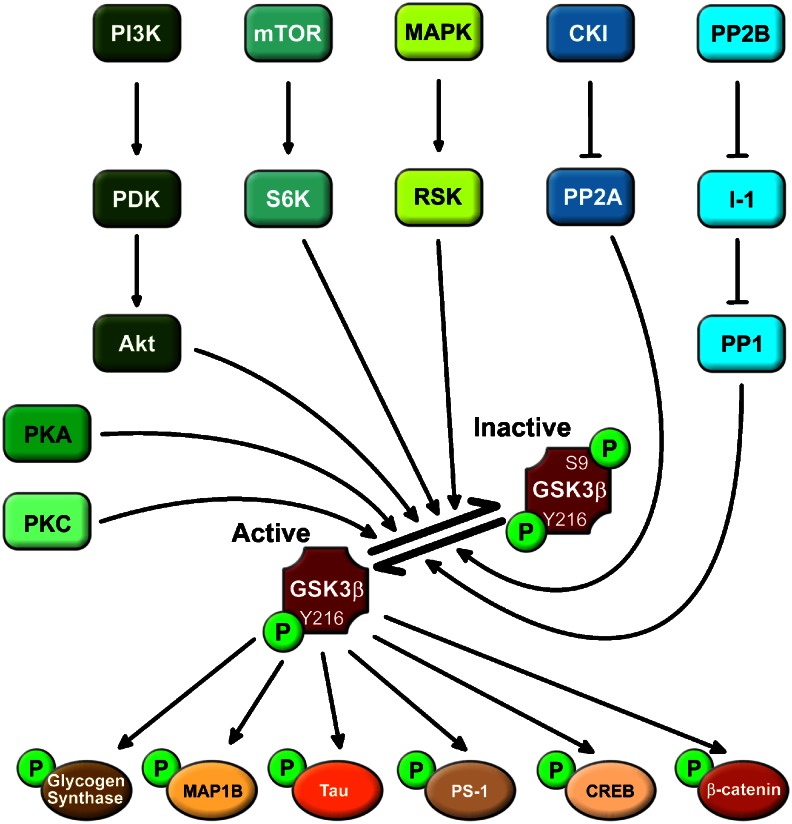
"Example of signalling pathways upstream and
downstream of GSK-3β. Under resting conditions, GSK-3β is
basally activated by phosphorylation at tyr216. Various ser/thr kinase
cascades result in phosphorylation of ser9 of GSK-3β, which
results in inhibition of its activity. Conversely, dephosphorylation
of this residue results in disinhibtion of the enzyme. GSK-3β
phosphorylates a wide range of substrates. A selection of such
substrates that relate to neuronal function is shown. CREB, cAMP
responsive element-binding protein; CK1, casein kinase 1; I-1,
inhibitor 1; MAP1B, microtubule-associated protein 1B; MAPK,
mitogen-activated protein kinase; mTOR, mammalian target of rapamycin;
PDK, phosphoinositide-dependent protein kinase; PI3K,
phosphatidylinositol 3-kinase; PP1, protein phosphatase 1; PP2A,
protein phosphatase 2A; PP2B, protein phosphatase 2B; PS-1, presenilin
1; RSK, p90 ribosomal S6 kinase; S6K, p70 ribosomal S6 kinase-1."
The authors have nothing to say about
psychedelics, but in discuss the link between GSK-3β and long
term potentiation (LTP):
"Two independent studies have shown that
following the induction of LTP there is inhibition of GSK-3β
(Hooper et al., 2007; Peineau et al., 2007). This has been
demonstrated following the induction of LTP in vivo in both dentate
gyrus and area CA1 in hippocampal slices (Figure 5a). The inhibition
of activity, assessed as an increase in phosphorylation of ser9, was
prominent 1020 min after the induction of LTP and lasted for at
least an hour. This link between LTP and GSK-3β raises two
questions. First, what influence GSK-3β has on LTP and second,
what role the LTP-induced regulation of GSK-3β activity plays.
With respect to the first issue, it was shown that in a transgenic
animal that overexpressed GSK-3β, there was a pronounced
inhibition of LTP (Figure 5b), which could account for the learning
deficits observed in these mice (Hernandez et al., 2002). This deficit
was restored by treatment with lithium, suggesting that it was the
overexpression of GSK-3β that was responsible for the effect
rather than some developmental alteration (Hooper et al., 2007). Could
GSK-3β, given that it is constitutively active', be providing a
tonic inhibition of LTP? In which case, GSK-3β inhibitors would
be expected to enhance LTP. Quantitative comparisons of the effects of
a range of GSK-3β inhibitors on LTP will be required to address
this issue."
https://pmc.ncbi.nlm.nih.gov/articles/PMC2268071/ [4938]
In 2013 Koriyama et al demonstrated the
therapeutic role of GSK-3β inhibition in neurodegenerative
diseases with an inflammatory component:
"Activated microglial cells play an important
role in immune and inflammatory responses in CNS and play a role in
neurodegenerative diseases. We examined the effects of lipoic acid
(LA) on inflammatory responses of BV-2 microglial cells activated by
lipopolysaccharide (LPS), and explored the underlying mechanisms of
action of LA. BV-2 cells treated with LPS showed an up-regulation of
mRNA of the pro-inflammatory molecules, inducible nitric oxide
synthase (iNOS). LA suppressed the expression of iNOS and furthermore,
LPS-induced production of nitrite. Moreover, LA suppressed the nuclear
translocation of RelA, a component of nuclear factor-kappa B
(NF-κB) that contains transcriptional activator domain for LPS.
The mechanisms of LA-mediated anti-inflammatory effects on microglia
remain unknown, and we suggested an involvement of Akt/glycogen
synthase kinase-3β (GSK-3β) phosphorylation. The results
showed that inhibitor of phosphatidylinositol 3-kinase prevented
LA-mediated suppression of LPS induction of RelA and expression of
iNOS. Furthermore, these inflammatory actions were prevented by
GSK-3β inhibitors."
https://www.sciencedirect.com/science/article/abs/pii/S0168010213001788?via%3Dihub
[4939]
According to Hans O Kalkman (2023) of the
Psychiatric University Hospital, University of Zurich:
"Risk factors for depression initiate an
infection-like inflammation in the brain that involves activation [of]
microglial Toll-like receptors and glycogen synthase kinase-3β
(GSK3β). GSK3β activity alters the balance between two
competing transcription factors, the pro-inflammatory/pro-oxidative
transcription factor NFκB and the neuroprotective,
anti-inflammatory and anti-oxidative transcription factor NRF2. The
antidepressant activity of tricyclic antidepressants is assumed to
involve activation of GS-coupled microglial receptors, raising
intracellular cAMP levels and activation of protein kinase A (PKA).
PKA and similar kinases inhibit the enzyme activity of GSK3β.
Experimental antidepressant principles, including cannabinoid
receptor-2 activation, opioid μ receptor agonists, 5HT2 agonists,
valproate, ketamine and electrical stimulation of the Vagus nerve, all
activate microglial pathways that result in GSK3β-inhibition."
https://www.mdpi.com/2227-9059/11/3/806 [4909]
In terms of convenience and safety, the
Defendant rules out all except the first of these as acceptable
everyday experiences for the purpose of inhibiting GSK3β - and
adds a further example, curcumin, per Bustanji et al (2008).
https://www.tandfonline.com/doi/10.1080/14756360802364377?url_ver=Z39.88-2003&rfr_id=ori:rid:crossref.org&rfr_dat=cr_pub%20%200pubmed
[4910]
This shows cannabis belongs to a group of
phytochemical sources capable of inhibiting glycogen synthase
kinase-3β. Yet curcumin is not listed as a drug with no medical
purposes, is not banned and, notably, does not make the consumer
notably happier. No other reason for the distinction can be
ascertained.
Back on the statistical battlefield, and using
as the arbitrarily defined criterion of inclusion that "cannabis-users
had to either have a diagnosis of cannabis use disorder or use
cannabis at least twice a week", along with "psychopathology of
individuals with schizophrenia spectrum disorders assessed by the
Positive and Negative Syndrome Scale (PANSS)", "Association between
cannabis use and symptom dimensions in schizophrenia spectrum
disorders: an individual participant data meta-analysis on 3053
individuals" by Argote et al trawled the entire history of
publications on the association up to September 2022.
Despite all this effort, and completely
ignoring the direction of association issue - i.e. whether
schizophrenics were more likely to become cannabis users rather than
the reverse - the findings were unremarkable:
"Among the 1149 identified studies, 65 were
eligible and 21 datasets were shared, totaling 3677 IPD and 3053
complete cases. The adjusted multivariate analysis revealed that
relative to non-use, cannabis use was associated with higher severity
of positive dimension (3-factor: Adjusted Mean Difference, aMD = 0.34,
95% Confidence Interval, CI = [0.03; 0.66]; 5-factor: aMD = 0.38, 95%
CI = [0.08; 0.63]), lower severity of negative dimension (3-factor:
aMD = −0.49, 95% CI [−0.90; −0.09]; 5-factor: aMD =
−0.50, 95% CI = [−0.91; −0.08]), higher severity of
excitement dimension (aMD = 0.16, 95% CI = [0.03; 0.28]). No
association was found between cannabis use and disorganization (aMD =
−0.13, 95% CI = [−0.42; 0.17]) or depression (aMD =
−0.14, 95% CI = [−0.34; 0.06]). Interpretation No causal
relationship can be inferred from the current results. The findings
could be in favor of both a detrimental and beneficial effect of
cannabis on positive and negative symptoms, respectively. Longitudinal
designs are needed to understand the role of cannabis is this
association. The reported effect sizes are small and CIs are wide, the
interpretation of findings should be taken with caution."
Despite their literary adhesion to the
cannabis-increases-schizophrenia hypothesis, the results if anything
show an opposite trend, such that the authors are forced to admit that
despite their hopes
"...the lower severity of negative symptoms
for cannabis-users cannot be ignored. The presented results support
both the selfmedication and toxicity hypotheses of cannabis use, with
differential effects on positive and negative symptoms."
https://www.thelancet.com/pdfs/journals/eclinm/PIIS2589-5370(23)00376-0.pdf
[4267]
Let's take a look at fold counts. This is a
measure of the overexpression or underexpression of some gene compared
to a baseline. To produce easier to handle numbers, fold count (FC) is
expressed as a logarithm in base 2, so you will see logFC.
"Fold change is the number of times a gene is
over-expressed (or under), compared to some baseline (your control, or
the reference gene, etc.). A sample could be 100X more expressed, or
1/100th the expression of the baseline. Because this is hard to show
in a graph, we plot in log. It "flattens" the data out to make it more
visible.
"Furthermore, because we tend to think of
expression in terms of copies of genes, or rather copies of copies of
copies, we think of it in terms of doubling which is why Log2 is
frequently used to display the data - you show the not the quantity,
but the rounds of amplification of it. to give better context between
exponential differences in gene expression.
"In the instance of 'no difference' between a
sample and its baseline, or logFC = 0, the fold change, or ratio of a
sample and control is one, or one-to-one.
"If a sample is expressed twice as much as the
control (FC = 2), the logFC = 1; one doubling of the gene compared to
baseline.
"So, to answer your question: if logFC = -0.5,
then FC = 2-0.5, or 0.7071, which means about 70% of the baseline, not
50%... 50% reduction in expression would be a logFC of -1.
"if LogFC if 0.05, then your actual fold
change is 1.0353... which is effectively 1, or rather, no significant
change.
"To convert a logFC value, simply use it as
the exponent of two: 2logFC. In Excel, use the function "=2x". To
convert a FC value, take the log2. In Excel, use function: "=log(x,2).
(where x = the cell with your data)."
https://www.reddit.com/r/labrats/comments/7odtki/dumb_question_about_logfc/
[1897]
The relevance of this becomes clear when we
look at "THC exposure of human iPSC neurons impacts genes associated
with neuropsychiatric disorders" which the authors claim, in very
controlled language, to show
"significant alteration in THC-related genes
associated with autism and intellectual disability, suggesting shared
molecular pathways perturbed in neuropsychiatric disorders that are
exacerbated by THC."
Reading the text you would hardly guess that
not all of these alterations are of the type "more gene alteration
equals more schizophrenia and more autism and more intellectual
disability". Nothing could be further from the facts, the reality is
far more nuanced.
"There is a significant association between
cannabis use and schizophrenia in human subjects, however, whether
this reflects patient self-medication of prodromal symptoms or an
environmental modulation of genetic susceptibility remains an ongoing
discussion. We recently reported molecular abnormalities in
schizophrenia patient hiPSC-derived neurons in response to neural
activity; here we describe a distinct overlap in hypo-excitability,
particularly in the glutamate system, between schizophrenia
patient-derived neurons and those treated with THC. THC exposure seems
to deregulate glutamate receptors and other genes involved in synaptic
function. We observe significant THC-dependent changes in postsynaptic
density, ion channel and WNT [Wingless/Int1 Trail] pathway genes, and
epigenetic regulators; and molecular connections to autism and
intellectual disability. Although the molecular mechanisms may not be
precisely the same, the convergence of glutamatergic hypo-function may
partially explain the increased risk for psychiatric disorders amongst
those exposed to cannabis."
What do they mean by "not precisely the same"?
It means the molecular mechanisms are different.
"Relative to vehicle treatment, acute THC
exposure resulted in 497 genes significantly altered in hiPSC- derived
neurons compared to untreated controls, while chronic THC exposure
perturbed 810 genes (Fig. 1a; Supplementary Table S3; Supplementary
Figure 1)."
Let's take a look at Supplementary Table S3
https://static-content.springer.com/esm/art%3A10.1038%2Fs41398-018-0137-3/MediaObjects/41398_2018_137_MOESM4_ESM.pdf
[1898]
We can see logFCs for the "perturbed" genes -
genes which are of course perturbed not only by THC but by all sorts
of things - and it is easily observed that some are numbers above 0
and some are below 0. The Court will recall that a logFC of 1
represents a doubling of expression, a logFC of -0.5 is about 70% of
the control value.
If we look at the authors' Figure 2a we can
see the non-log fold changes are almost all positive - in this case
remember the no-change value is 1. We don't necessarily know whether
more or less of some activation is a good thing or a bad thing, or for
whom.
The authors have selected HOMER1 for their
example in 2b, which is the only lowered value among the postsynaptic
density genes, for "acute" THC, and one of only three out of 15 with a
lowered fold count in the "chronic" THC model.
2c shows postsynaptic density and ion channel
genes plotted by function but, again, there's nothing here showing
anything more than "perturbation" - we don't know if we want each of
these perturbing, or in which direction.
"Network analysis combining all THC-related
genes from acute and chronic THC treatment shows broad changes to
fundamental cellular functions such as RNA biology, chromatin
regulation and development."
In Figure 3 the perturbed genes are counted by
association with THC and the three disorders. Again this says nothing
about positive or negative influences per se, and a certain degree of
tunnel vision is already developing.
"We noticed that many genes implicated in
psychiatric disease coincided with genes altered in response to THC
treatments. In order to calculate statistical relevance we needed to
first update the numbers of genes associated with these disorders and
found genes related to autism spectrum disorder (1037 genes),
intellectual disability (2461 genes) and schizophrenia (723 genes; see
Supplementary Information Generation of Gene Databases for details;
Supplementary Table S7). Included in our list of significantly altered
transcripts following THC exposure is a substantial number of genes
linked to autism (80 genes) and intellectual disability (167 genes),
with fewer overlapping with schizophrenia (Fig. 3a); autism and
intellectual disability associated genes are significant for both
p-value and odds ratio using the Fishers exact test (Fig. 3b). These
data suggest that endogenous THC responsive pathways include many
psychiatric disease-associated genes and that changes in these genes,
either genetically or epigenetically, may contribute to
cannabis-related adverse reactions such as psychosis in some users."
But the "suggestion" is not a valid statement
- or at least non-neutral - as the outcomes have not been shown to be
universally "adverse" at all. Indeed, although for intellectual
disability and autism the odds ratio for this association - not the
disease - are 1.7 and 1.9 respectively, the odds for an association
with schizophrenia - not the disease - are less than unity - 0.9.
The association is between genes connected
with THC good or bad and genes connected with schizophrenia good or
bad. It tells us nothing about THC and schizophrenia...
The well-known gene for dopamine metabolism
COMT is found in the autism and schizophrenia lists at Supplementary
Table 7, but not the intellectual disability list.
https://static-content.springer.com/esm/art%3A10.1038%2Fs41398-018-0137-3/MediaObjects/41398_2018_137_MOESM8_ESM.pdf
All the "THC-related pathways" are also
anandamide-related pathways. As early as 1998 Adams et al the Medical
College of Virginia wrote:
"Anandamide is the newly discovered endogenous
cannabinoid ligand that binds to brain cannabinoid receptors and
shares most, but not all, of the pharmacological properties of delta
9-THC. Therefore, this study was undertaken to determine whether its
interaction with the CB1 receptor in brain was identical to that of
delta 9-THC. Anandamide depressed spontaneous activity and produced
hypothermia, antinociception and immobility in mice after i.v.
administration. However, none of these effects was blocked by
pretreatment with the selective CB1 antagonist, SR 141716A. However,
the metabolically stable analog 2-methyl-2'-fluoroethylanandamide
produced reductions in motor activity and antinociception in mice,
effects that were blocked by the antagonist. To determine whether
anandamide's receptor binding mimicked that of other cannabinoids, an
autoradiographic comparison of anandamide, SR 141716A and CP 55,940
competition for [3H]CP55,940 binding was conducted throughout rat
brain. The receptor affinities for all three compounds did not change
according to brain area. As expected, Bmax values differed
dramatically among differ brain areas. However, the Bmax values for
each brain area were similar regardless of the compound used for
displacement. These data suggest that anandamide, SR 141716A and CP
55,940 compete for the same cannabinoid receptor throughout brain
despite SR 141716A's failure to block anandamide's pharmacological
effects. Although there is no question that anandamide binds to the
cannabinoid receptor, failure of SR 141716A to block its
pharmacological effects in mice poses a dilemma. The results presented
herein raise the possibility that anandamide may not be producing all
of its effects by a direct interaction with the CB1 receptor."
https://pubmed.ncbi.nlm.nih.gov/9495885/ [1929]
As for the Jaccard Index
"The class also calculates the Jaccard index
which measures the similarity between two lists. The Jaccard index
varies between 0 and 1, with 0 meaning there is no similarity between
the two and 1 meaning the two are identical."
The findings prove nothing for any individual
case and are more aimed at pharmaceutical research.
https://static-content.springer.com/esm/art%3A10.1038%2Fs41398-018-0137-3/MediaObjects/41398_2018_137_MOESM1_ESM.pdf
[1900]
Justin Jackson at medicalxpress.com writes:
"Debate continues regarding the nature of the
association between adolescent cannabis use and psychosis risk, with
theories including the contributing risk hypothesis, the shared
vulnerability hypothesis, and the self-medication hypothesis.
"In the contributing risk hypothesis, cannabis
use causes the emergence and progression of psychosis through
disruption of the neurodevelopmental processes during adolescence.
"According to the shared vulnerability
hypothesis, genetic, gestational, or environmental factors predispose
individuals to both cannabis use and psychosis. In this scenario, the
likelihood of engaging in cannabis use shares the same origin as the
risk of psychosis spectrum symptoms.
"The self-medication hypothesis suggests that
individuals may turn to cannabis use as a means to alleviate
distressing symptoms associated with the psychosis spectrum.
"Previous research has provided evidence
supporting each of these models, but there is a lack of prospective
longitudinal studies focusing on early adolescence.
"In a study, 'Psychosis Spectrum Symptoms
Before and After Adolescent Cannabis Use Initiation,' published online
in JAMA Psychiatry, the researchers analyzed psychosis spectrum
symptom trajectories before and after cannabis initiation in 11,868
adolescents aged 9 to 10 years at baseline using data from five waves
over four years from the Adolescent Brain Cognitive Development (ABCD)
Study.
"Cannabis initiation did not consistently lead
to an increase in psychosis symptoms, providing no significant support
for the contributing risk hypothesis.
"Adolescents who used cannabis at any point
during the study period reported a greater number of psychosis
spectrum symptoms and more distress compared to those who never used
cannabis, supporting the shared vulnerability hypothesis.
"An increase in the number of psychosis
spectrum symptoms and associated distress leading up to cannabis
initiation was observed before cannabis use started, aligning well
with the self-medication hypothesis.
"Based on the findings, the current research
supports the shared vulnerability and self-medication explanations for
the associations between cannabis use and psychosis risk."
https://medicalxpress.com/news/2024-11-psychosis-symptoms-adolescent-cannabis.html
[3709]
The study, "Psychosis Spectrum Symptoms Before
and After Adolescent Cannabis Use Initiation" by Osborne et al (2024)
reports:
"Among the 11 858 participants at wave 1, the
mean (SD) age was 9.5 (0.5) years; 6182 (52%) participants were male.
Consistent with a shared vulnerability hypothesis, adolescents who
used cannabis at any point during the study period reported a greater
number of psychosis spectrum symptoms (B, 0.86; 95% CI, 0.68-1.04) and
more distress (B, 1.17; 95% CI, 0.96-1.39) from psychosis spectrum
symptoms relative to those who never used cannabis. Additionally,
consistent with a self-medication hypothesis, the number of psychosis
spectrum symptoms (B, 0.16; 95% CI, 0.12-0.20) and distress (B, 0.23;
95% CI, 0.21-0.26) from psychosis spectrum symptoms increased in the
time leading up to cannabis initiation. We observed mixed evidence for
an increase in psychosis symptoms after cannabis initiation (ie,
contributing risk hypothesis)."
https://jamanetwork.com/journals/jamapsychiatry/article-abstract/2825423
[3710]
A case study demonstrates that:
"...in some cases people with ADHD may show
unusual effects after the consumption of THC. A 28-year-old male, who
showed abnormal behaviour and seemed to be significantly maladjusted
and inattentive while sober, appeared to be completely normal with a
very high plasma level of THC. Performance tests conducted with the
test batteries ART2020 and TAP provided average and partly
above-average results in functions related to driving. Thus, it has to
be taken into account that in persons with ADHD THC may have atypical
and even performance-enhancing effects."
https://pubmed.ncbi.nlm.nih.gov/17879702/ [1903]
According to Aran et al at the Neuropediatric
Unit, Shaare Zedek Medical Center, Jerusalem, Israel (2019)
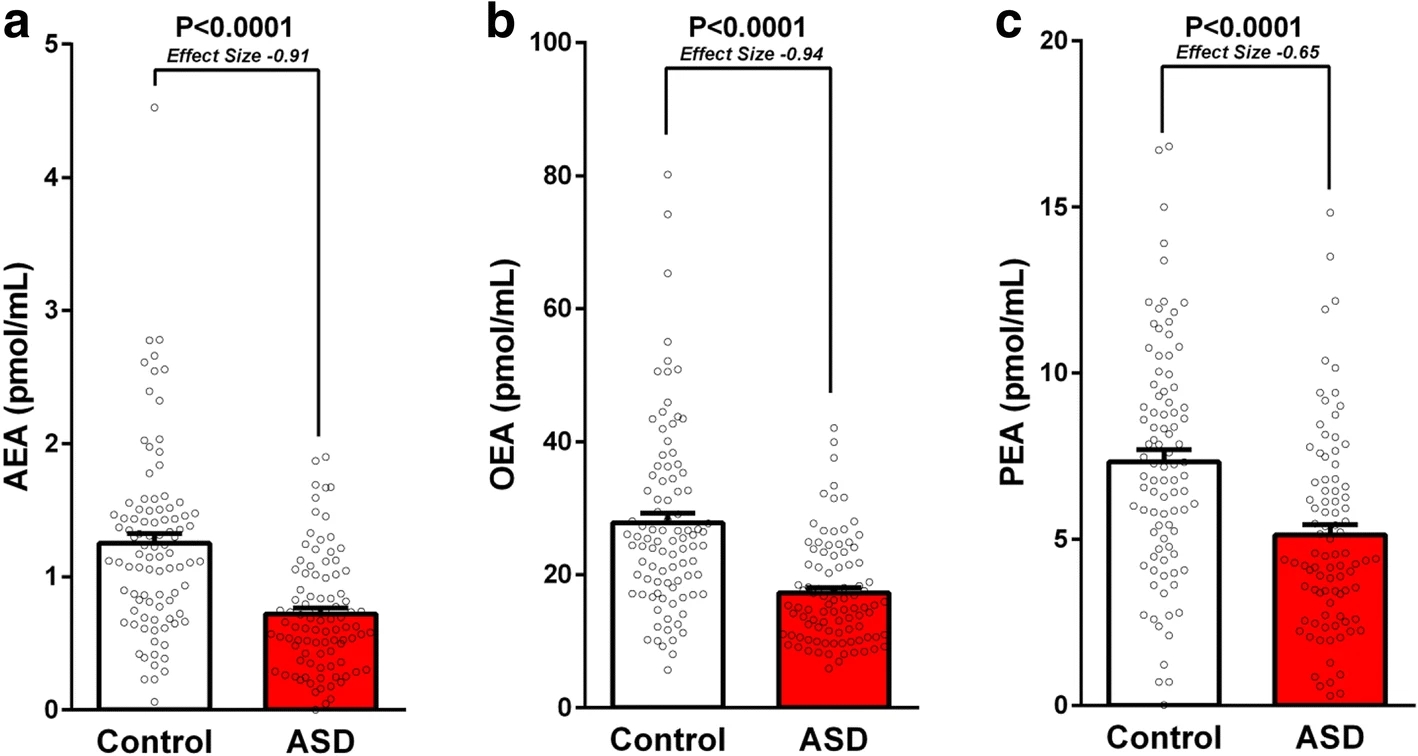
"Serum levels of the main endocannabinoids,
N-arachidonoylethanolamine (AEA or anandamide) and
2-arachidonoylglycerol (2-AG), and their related endogenous compounds,
arachidonic acid (AA), N-palmitoylethanolamine (PEA), and
N-oleoylethanolamine (OEA), were analyzed by liquid
chromatography/tandem mass spectrometry in 93 children with ASD
(age = 13.1 4.1, range 621; 79% boys) and
93 age- and gender-matched neurotypical children
(age = 11.8 4.3, range 5.521; 79% boys).
Results were associated with gender and use of medications, and were
correlated with age, BMI, and adaptive functioning of ASD participants
as reflected by scores of Autism Diagnostic Observation Schedule
(ADOS-2), Vineland Adaptive Behavior Scale-II (VABS-II), and Social
Responsiveness Scale-II (SRS-2).
"Results
Children with ASD had lower levels (pmol/mL,
mean SEM) of AEA (0.722 0.045 vs.
1.252 0.072, P < 0.0001, effect size
0.91), OEA (17.3 0.80 vs. 27.8 1.44,
P < 0.0001, effect size 0.94), and PEA
(4.93 0.32 vs. 7.15 0.37,
P < 0.0001, effect size 0.65), but not AA and 2-AG.
Serum levels of AEA, OEA, and PEA were not significantly associated or
correlated with age, gender, BMI, medications, and adaptive
functioning of ASD participants. In children with ASD, but not in the
control group, younger age and lower BMI tended to correlate with
lower AEA levels. However, these correlations were not statistically
significant after a correction for multiple comparisons."
In their conclusion, the authors of "Lower
circulating endocannabinoid levels in children with autism spectrum
disorder" suggest using these as a diagnostic:
"We found lower levels of the endocannabinoids
AEA, OEA, and PEA in serum samples of 93 children with ASD compared
with samples of matched neurotypical control group. These findings are
in line with the results of numerous former studies in animal models
of ASD as well as an initial human study that demonstrated lower
endocannabinoid tone in ASD. Our findings suggest the use of
circulating AEA, OEA, and PEA as stratifying biomarkers of ASD and
future studies should assess the clinical significance of this
stratification. These markers can also be easily measured
longitudinally in humans and in animal models alike, and future
studies should evaluate their potential to assist in the monitoring of
treatment response. Further studies are needed to determine whether
circulating endocannabinoid levels are also lower in infants and can
assist in pre-symptomatic diagnosis and if they reflect lower
endocannabinoid tone in the brain, as found in animal models of ASD."
https://molecularautism.biomedcentral.com/articles/10.1186/s13229-019-0256-6
[2051]
As Janna Champagne (2024) explains in
"EndoCannabinoid Deficiency and Autism" the general bias has been to
ignore the unprofitable ECS and gut-brain axis:
"Autism Spectrum Disorder (ASD) results from
many complex contributors creating pervasive imbalances. Research has
theorized about the involvement of dozens of genetic mutations for
predisposing Autism, and unfortunately the absence of targeted
biomarkers spawned a high reliance on behaviors to establish
diagnostic criteria, as detailed in the Diagnostic & Statistical
Manual for Mental Disorders (DSM-V). This lends to classification of
ASD as a mental health disorder, and approaches for alleviating the
underlying physical imbalances are often overlooked or dismissed in
favor of prescribing mental health pharmaceuticals (Pietropaolo,
2021).
"However, as we know of other mental health
disorders, there are underlying physical imbalances contributing to
Autism symptoms and behaviors, primarily in the Gastrointestinal (GI)
tract, plus the Immune & Neurological systems. These imbalances
may be identified and targeted through biometric assessment, and
interventions are proving beneficial for promoting improved long- term
outcomes. In recent years, many research studies reflect a strong link
between dysfunction of the EndoCannabinoid System (ECS) as a factor in
diagnosis of Autism (Pietropaolo, 2021).
"One major role of the ECS is creation of
EndoCannabinoids, from precursory intake of Omega fatty acids. These
EndoCannabinoids circulate throughout the body, similarly to the
physiology of the Endocrine system, producing substances and
distributing them for interaction with receptors located throughout
the body. The ECS receptors are found in every other system of the
body, and the interactions at these sites promote systemic homeostasis
(Castillo, 2012)."
The problem is the alleged solution:
"The US Food & Drug Administration (FDA)
approved pharmaceuticals for addressing ASD symptoms are two
anti-psychotics: Abilify and Risperidone. Additionally, physicians
often prescribe off-label use medications as an attempt to de-escalate
ASD behaviors, including Selective Serotonin Reuptake Inhibitor (SSRI)
anti-depressants, Benzodiazepine anxiolytics, Ritalin/Adderall, and
Anticonvulsants. These medications entail substantial risk for side
effects that may impair quality of life, including Extra-Pyramidal
Symptoms, seizures, mitochondrial damage, paradoxical effects, and
male breast development. In addition, use of these medications entails
known risks of severe adverse effects that may be life-threatening,
such as Neuroleptic Malignant Syndrome, Steven Johnson Syndrome, and
suicidal ideation (Autism Research Institute, 2024). Compared
objectively with medical cannabis, and its mild or pleasurable side
effects, and no reports of substantiated harm, cannabis use entails
fewer risk factors (Goldstein, 2023)."
In her own results:
"Upon receiving treatment with medical
cannabis, the subjects with ASD were tested and salivary biomarkers
were compared with the prior levels from the ASD subjects, as well as
the control groups neurotypical baseline levels. The result of this
data compilation reflected that of the sixty-five biomarkers included,
twenty-three of the parameters shifted positively towards neurotypical
baseline (Siani-Rose, 2021).
"Additionally, the parent reporting reflected
improved symptom and behavior management after cannabis
administration, compared with the individual baseline. Overall, this
evidence supports cannabis as a harm reduction tool for addressing
symptoms of ASD, strengthened by case studies, patient outcomes, and
this recent proof of improvement in ASD-applicable biomarkers
(Siani-Rose, 2021)."
https://www.researchgate.net/profile/Janna-Champagne/publication/388277723_EC_deficiency_and_Autism/links/67915d4495e02f182eae5dfb/EC-deficiency-and-Autism?_tp=eyJjb250ZXh0Ijp7ImZpcnN0UGFnZSI6InB1YmxpY2F0aW9uIiwicGFnZSI6InB1YmxpY2F0aW9uIn19
[4851]
At the time of the visit, did you know
anything about the Defendant's AEA, OEA or PEA levels?
More about PEA:
https://www.ncbi.nlm.nih.gov/pmc/articles/PMC3744360/ [2053]
More about AEA, OEA, PEA, and SEA from Fezza
et al (2014)
"AEA belongs to a class of naturally occurring
molecules (NAEs) known for a long time. One of its members,
N-palmitoylethanolamine (PEA), was first reported almost 50 years ago
in humans, yet its physiological relevant remains under debate when
the mechanism is other than via CBRs.
"PEA and other NAEs share with true eCBs many
degradative mechanisms, and they potentiate the effect of eCBs at
their receptor targets by competitively inhibiting their hydrolysis,
or by allosterically modulating their receptor binding: the so-called
'entourage effect'. On this basis, these substances are also known as
'eCBs-like' compounds (Table 1).
"Among the most studied eCBs-like compounds,
the anti-inflammatory agent PEA and the appetite-suppressor
N-oleoylethanolamine (OEA) can be listed (Table 1). Their biological
activity often engages PPARα and TRPV1 activation, although some
of their actions are prevented by CB1 antagonists. Among the eCBs-like
compounds OEA shows the highest affinity for PPARα, and
consistently some of its biological effects are absent in PPARα
deficient mice. Yet, the antinociceptive properties of OEA are
exercised also through a PPARα-independent mechanism.
"OEA, as well as PEA and 2-oleoylglycerol
(2-OG) (Table 1), can also activate GPR119, a GPCR expressed
predominantly in human and rat pancreas, suggesting that the effects
of OEA on food intake may be mediated, at least in part, via GPR119.
Conversely, Lan and coworkers reported that the hypophagic effect of
OEA was preserved in Gpr119(-/-) mice. Not surprisingly, there is also
evidence that OEA (as well as PEA) can engage, even though at high
concentrations, additional receptors like GPR55.
"Another saturated NAE, N-stearoylethanolamine
(SEA), was reported to act as a cell growth controller and
anti-inflammatory/immunomodulatory agent, through yet unknown targets.
SEA also shows anorexic effects that are PPAR-independent and,
together with PEA, plays an antinociceptive role in humans.
"As reported above, also the endogenous levels
of these eCBs-like compounds (PEA, OEA and SEA) are affected by
different dietary regimens, with different hits in the brain compared
to peripheral tissues."
[eCBs and eCBs-like compounds, molecular
targets, biosynthetic and catabolic enzymes 2054]
https://www.mdpi.com/1420-3049/19/11/17078 [2054]
Is alcohol connected with brain volumes?
In their narrative review of studies
pertaining to the assessment of CBD efficiency on drinking reduction,
or on the improvement of any aspect of alcohol-related toxicity in
AUD, French researchers De Ternay et al find:
"ARLD is a progressive alcohol-induced liver
injury, which starts with an increase in the amount of fat in the
livera process called steatosisand continues into a progressive cell
loss, fibrosis, and hepatic insufficiencya process called cirrhosis
(OShea et al., 2010). ARLD may result in severe liver failure, and
represents a major risk factor for liver cancer. Overall,
alcohol-attributable liver damage is responsible for 493,300 deaths
every year, and 14,544,000 disability adjusted life years (DALYs),
representing 0.9% of all global deaths and 0.6% of all global DALYs
all over the world (Rehm et al., 2013). In subjects with ARLD,
preventing the transition from steatosis to cirrhosis is a major
treatment goal, and this usually requires to stop or to dramatically
reduce the average amount of consumed alcohol in the long term
(European Association for the Study of the Liver A et al., 2018). AUD
also affects the brain, through ARBI. Subjects with AUD display
reduced gray matter volumes and reduced cortical thickness, as well as
increased ventricular volumes, when compared to matching healthy
controls (Bhler and Mann, 2011). The most significant reductions in
grey matter volumes are observed in the corticostriatallimbic
circuits, including the insula, superior temporal gyrus, dorso-lateral
prefrontal cortex, anterior cingulate cortex, striatum, and thalamus
(Bhler and Mann, 2011). Cognitive functions associated with these
brain areas (e.g., executive functions, working memory, emotion
recognition, or long-term memory) are impaired in subjects with AUD
(Stavro et al., 2013). Generally, cognitive dysfunctions start to
improve quickly after alcohol withdrawal, but patients substantially
recover only within the first weeks to months of alcohol abstinence,
and sometimes remain impaired (Stavro et al., 2013; Schulte et al.,
2014). Similarly, the recovery of structural brain alterations can be
highly variable depending on brain areas and individual features
(Durazzo et al., 2015; Zou et al., 2018). Overall, both ARLD and ARBI
involve alcohol-related inflammatory processes (Mandrekar and Ambade,
2014; Neupane, 2016). Current medications for reducing alcohol
drinking or supporting alcohol abstinence in AUD subjects are still
insufficiently effective at a population level, and new therapeutic
prospects are needed (Rolland et al., 2016; Soyka and Mller, 2017).
Moreover, no drug for reducing alcohol-related harms, either on the
brain or the liver, has ever been studied."
https://www.ncbi.nlm.nih.gov/pmc/articles/PMC6554654/ [1921]
Luckily we've been studying it for 12,000
years.
In "Regional Brain Volume Changes in
Alcohol-dependent Individuals during Short-term and Long-term
Abstinence" Zou et al elaborate:
"Widespread brain atrophy in alcohol-dependent
individuals (ALC) has been consistently documented in pathological and
magnetic resonance imaging (MRI) studies. Longitudinal MRI studies
have shown that the regional brain volume losses in ALC are partially
reversible during abstinence from alcohol. The goal of this study was
to determine volume reductions in cortical and subcortical regions
functionally important to substance use behavior and their changes
during short-term (1 week to 1 month) and long-term abstinence (1
month to 7 months) from alcohol. The regions of interests (ROIs) were:
anterior cingulate cortex (ACC), dorsolateral prefrontal cortex
(DLPFC), orbitofrontal cortex (OFC), insula, amygdala, and
hippocampus."
You can see the brain volumes increasing after
one week, one month, and 7 months of abstinence at their Figure 1
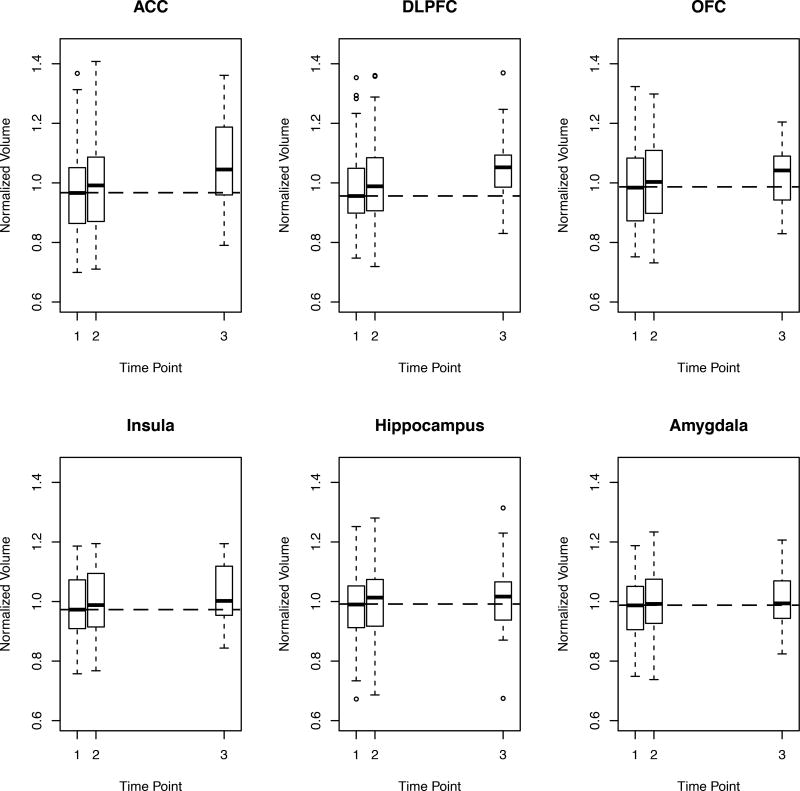
In their Table 2 you can see the amount of
brain involved. To begin with, all the drinkers' brains are smaller in
volume than the non-drinkers. For instance the dorsolateral prefrontal
cortex grew back at a quadratic rate of 28.0 mm3/month2.
In summary:
"The regional volumes in CON did not change
significantly over the 10-months scan interval, attesting to the
stability of our measurement paradigm over time. By contrast, in ALC,
the volumes of DLPFC, OFC, insula, and hippocampus increased over the
TP1-TP2 (all p < 0.005) and TP2-TP3 intervals (all p < 0.012).
The ACC volume increased significantly only over TP2-TP3 (p = 0.013),
but the volume did not increase significantly over the TP1-TP2
interval. The amygdala volume tended to increase only during the
TP1-TP2 interval (p = 0.058) and remained practically unchanged after
TP2. The linear monthly volume change rates in the DLPFC, OFC, and
insula were about 4 to 6 times higher during short-term than long-term
abstinence (2.5 times for the ACC), so that up to 50% of the observed
volume increases in these ROIs over the entire 7-months abstinence
period occurred during the first month of abstinence. Over the entire
abstinence period, the DLPFC, OFC, and insula also showed significant
non-linear volume recovery trajectories, i.e., the quadratic monthly
volume change rates were significant (all p < 0.009) (see Table 2).
The significant quadratic rates of these three ROIs were all negative
(i.e., frowning parabolas), indicating that the volumes of these three
ROIs increased faster during short-term abstinence than long-term
abstinence."
https://www.ncbi.nlm.nih.gov/pmc/articles/PMC5984169/ [2868]
A 2021 UK Biobank study from Topiwala et al,
was
"...one of the largest imaging investigations
into the impact of alcohol consumption on brain health to date. The
very large sample size provided great statistical power to detect
associations across almost the whole cortex, subcortical structures
and cerebellum that have previously been uncharacterized, as well as
extensively explore interactions with clinical and drinking
behaviours. It used state-of-the-art neuroimaging and results were
stringently controlled for more potential confounders than ever
before, as well as multiple testing which increases confidence in the
findings."
Which showed no lower threshold for alcohol
damage in terms of grey matter volume:
"Alcohol consumption was negatively linearly
associated with global brain grey matter volume (beta= -0.1, 95%CI=
-0.11 to -0.09, p<2x10-16). The association with alcohol was
stronger than other modifiable factor tested and robust to unobserved
confounding. Widespread negative associations were observed with white
matter microstructure (beta= -0.08, 95%CI= -0.09 to -0.06,
p<2x10-16) and positive correlations with functional connectivity.
Higher blood pressure and body mass index increased risk of
alcohol-related harm (SBP*alcohol: beta= - 0.01, 95%CI = -0.02 to
-0.004, p=0.005; BMI*alcohol: beta= -0.01, 95%CI = -0.02 to -0.002,
p=0.02). Binging on alcohol had additive negative effects on brain
structure on top of the absolute volume consumed (daily compared to
never binging: beta= -0.19, 95%CI= -0.30 to -0.08, p<0.01). No
evidence was found for differential effects of drinking wine, beer or
spirits.
"Conclusions
No safe dose of alcohol for the brain was
found. Moderate consumption is associated with more widespread adverse
effects on the brain than previously recognised. Individuals who binge
drink or with high blood pressure and BMI may be more susceptible.
Detrimental effects of drinking appear to be greater than other
modifiable factors. Current 'low risk' drinking guidelines should be
revisited to take account of brain effects."
https://www.medrxiv.org/content/10.1101/2021.05.10.21256931v1.full.pdf
[3542]
In 2022's "Association Between Brain Structure
and Alcohol Use Behaviors in Adults: A Mendelian Randomization and
Multiomics Study" Mavromatis et al set out in JAMA Psychiatry:
"To use mendelian randomization (MR) to
identify directional associations between brain structure and alcohol
use and elucidate the transcriptomic and cellular underpinnings of
identified associations."
as
"Recently developed genomics methods,
including latent causal variable analysis and mendelian randomization
(MR), facilitate the identification of directional associations
between genetically influenced variables from population based
observational data and have been underapplied to questions regarding
alcohol use and brain structure."
and
"The main bidirectional MR analyses were
performed in samples totaling 763 874 individuals, among whom more
than 94% were of European ancestry, 52% to 54% were female, and the
mean cohort ages were 40 to 63 years. Negative associations were
identified between genetically predicted GCT and binge drinking
(β, −2.52; 95% CI, −4.13 to −0.91) and DPW
(β, −0.88; 95% CI, −1.37 to −0.40) at a false
discovery rate (FDR) of 0.05. These associations remained significant
in multivariable MR models that accounted for neuropsychiatric
phenotypes, substance use, trauma, and neurodegeneration. TWAS
[transcriptome-wide association studies] of GCT [global cortical
thickness] and alcohol use behaviors identified 5 genes at the
17q21.31 locus oppositely associated with GCT and binge drinking or
DPW [drinks per week] (FDR = 0.05). Cell-type enrichment analyses
implicated glutamatergic cortical neurons in alcohol use behaviors."
and
"Our large sample sizes (between 19 629 and
537 349 participants) increased statistical power relative to previous
brain structurealcohol consumption studies. Our findings suggest that
a predisposition toward lower GCT may be associated with greater
alcohol consumption and binge drinking. Conversely, we failed to find
strong evidence that a genetic predisposition for alcohol associated
with brain structure or its longitudinal plasticity."
and
"Our investigation of the transcriptomic
relationship between GCT and alcohol use identified 5 protein coding
genes oppositely associated with GCT and alcohol use behavior:
PLEKHM1, LRRC37A2, CRHR1, ARHGAP27, and LRRC37A. These 5 genes could
contribute to the negative association between GCT and alcohol use.
All 5 are located at 17q21.31. This locus, characterized by extensive
linkage disequilibrium, is the site of 2 haplotypes: the inverted H2
haplotype (found in approximately 20% of individuals of European
ancestry), and the H1 haplotype."
and
"Our cell-type analysis also found that
excitatory neurons may underlie GCTs association with alcohol use.
These data support the notion that glutamatergic transmission plays an
important role in alcohol misuse. Interestingly, CRHR1 is expressed in
glutamatergic, but not GABAergic, cortical neurons. Activation of
CRHR1 in the forebrain is associated with alteration in glutamatergic
neurotransmission and increased behavioral susceptibility to stress in
mice. Therefore, our single-cell findings support our hypothesis
associating cortical CRHR1 expression with increased stress
susceptibility, cortical thinning, and alcohol misuse."
https://jamanetwork.com/journals/jamapsychiatry/articlepdf/2795312/jamapsychiatry_mavromatis_2022_oi_220047_1662054847.3687.pdf
[2140]
Durazzo et al (2023) concentrated on cortical
thickness in alcohol withdrawal, but for a longer period than previous
attempts. As the authors explained:
"Cortical thickness may show a differential
pattern of recovery with abstinence in alcohol use disorder (AUD)
compared to volume and surface area measures in the same brain
regionsThe cerebral cortex is primarily composed of neuronal and glial
cells [i.e., astrocytes, oligodendrocytes, and microgliaand the ratio
of glial cells to neurons is approximately 0.7:1; accordingly,
cortical thickness may serve as a macroscopic surrogate marker of the
cytoarchitectural integrity of cells comprising the cortex."
So
"AUD participants were studied at
approximately 1 week (n=68), 1 month (n=88) and 7.3 months (n=40) of
abstinence.
"Forty-five never-smoking controls (CON)
completed a baseline study, and 15 were reassessed after approximately
9.6 months. Participants completed magnetic resonance imaging studies
at 1.5T and cortical thickness for 34 bilateral regions of interest
(ROI) was quantitated with FreeSurfer. AUD demonstrated significant
linear thickness increases in 25/34 ROI over 7.3 months of
abstinence."
But the
"...rate of change from 1 week to 1 month was
greater than 1 month to 7.3 months in 19/34 ROIs."
Overall
"After 7.3 months of abstinence, AUD were
statistically equivalent to CON on cortical thickness in 24/34 ROIs;
the cortical thickness differences between AUD and CON in the banks
superior temporal gyrus, post central, posterior cingulate, superior
parietal, supramarginal and superior frontal cortices were driven by
thinner cortices in AUD with proatherogenic conditions relative to
CON. In actively smoking AUD, increasing pack-years was associated
with decreasing thickness recovery primarily in the anterior frontal
ROIs..."
and
"Widespread bilateral linear cortical
thickness recovery over 7.3 months of abstinence was the central
finding for this AUD cohort. Proatherogenic conditions were associated
with decreased thickness recovery and thinner cortex after 7.3 months
of abstinence in several ROIs; this suggests alterations in perfusion
or vascular integrity may relate to structural recovery in AUD. These
results support the adaptive and beneficial effects of sustained
sobriety on brain structural recovery in those with AUD."
https://www.sciencedirect.com/science/article/abs/pii/S074183292300263X
[4191]
Shapson-Coe et al (2024) found a different
glia to neuron ratio in their 1 cubic mm sample:
"To fully understand how the human brain
works, knowledge of its structure at high resolution is needed.
Presented here is a computationally intensive reconstruction of the
ultrastructure of a cubic millimeter of human temporal cortex that was
surgically removed to gain access to an underlying epileptic focus. It
contains about 57,000 cells, about 230 millimeters of blood vessels,
and about 150 million synapses and comprises 1.4 petabytes. Our
analysis showed that glia outnumber neurons 2:1, oligodendrocytes were
the most common cell, deep layer excitatory neurons could be
classified on the basis of dendritic orientation, and among thousands
of weak connections to each neuron, there exist rare powerful axonal
inputs of up to 50 synapses. Further studies using this resource may
bring valuable insights into the mysteries of the human brain."
https://www.science.org/doi/10.1126/science.adk4858 [4641]
Alcohol is not a drug, it's a drink. So we
don't need to worry about these brain volumes or cortical thicknesses
in Ptuj, where I think you would struggle to find 40 people who didn't
have a drink for 7.3 months.
It is sufficient to note that any change in
cortical thickness from cannabis alone is a separate and distinct
effect from cortical thinning caused by alcohol consumption.
Owens et al (2022) say
"Cortical thinning in adolescence is
well-established as a normal trajectory of brain development. Studies
estimate cortical thinning of around 1% annually, which comes out to
around 0.030.06 millimeters per year."
Moreover there is research
"...suggesting that the accelerated thinning
may be mediated, in part, by cannabis exposure affecting the brains
endogenous cannabinoid system. That said, it remains possible that
these brain changes may not be a consequence of the cannabis exposure
but may reflect instead a neurodevelopmental trajectory caused by
other factors that is related to a higher likelihood of adolescent
cannabis use."
https://www.nature.com/articles/s41398-022-01956-4 [4193]
The good news is that marijuana use appears,
for whatever reason, to ameliorate cortical thinning in drinking
teenagers. From the perspective of this metric you are better off with
both than alcohol alone.
In "Adolescent Cortical Thickness Pre- and
Post Marijuana and Alcohol Initiation" by Jacobus et al (2016):
"Adolescents (N=69) were followed from ages 13
(pre-initiation of substance use, baseline) to ages 19
(post-initiation, follow-up). Three subgroups were identified,
participants that initiated alcohol use (ALC, n=23, >20 alcohol use
episodes), those that initiated both alcohol and marijuana use
(ALC+MJ, n=23, >50 marijuana use episodes) and individuals that did
not initiate either substance regularly by follow-up (CON, n=23, <3
alcohol use episodes, no marijuana use episodes). All adolescents
underwent neurocognitive testing, neuroimaging, and substance use and
mental health interviews."
This is their Figure 2:
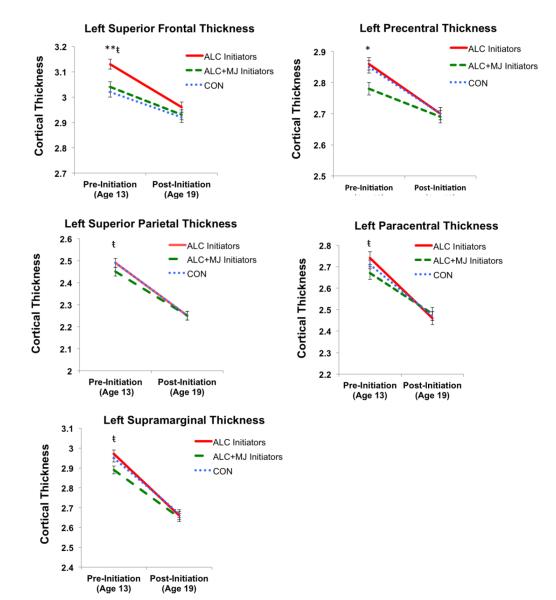
"Examination of 34 independent cortical
regions in each hemisphere revealed significant Group by Time effects,
largely consistent with a significant decrease in cortical thickness
over time in the ALC group compared to the ALC+MJ group (ps<.05).
Findings within each lobe of the brain are presented below (see
Figures 2--4).4). Intracranial volume (ICV) was identified a priori
as a covariate."
https://www.ncbi.nlm.nih.gov/pmc/articles/PMC5072451/ [4192]
If you are banning marijuana for reasons of
cortical thickness, it only raises questions as to why there is no
minimum age for drinking alcohol in public in Slovenia, since these
authors didn't even bother to find a marijuana-only cohort, suggesting
alcohol might be a gateway drug. I think we can also conclude these
studies were not as advanced in 1925, 1961, 1971 and 2000, as they
today are, and this topic played no role in the prohibition of
cannabis.
Despite this, unlike our alcoholic cousins,
cannabis users know very well that THC isn't for everyone. Who knew?
Where is the equivalent analysis for wine? Can we find more than
associations. Can we actually say there are genes which CAUSE people
to drink?
With a lot of data and math, we can. After
finding correlations between schizophrenia and opioids, nicotine,
cannabis and - most of all - alcohol...
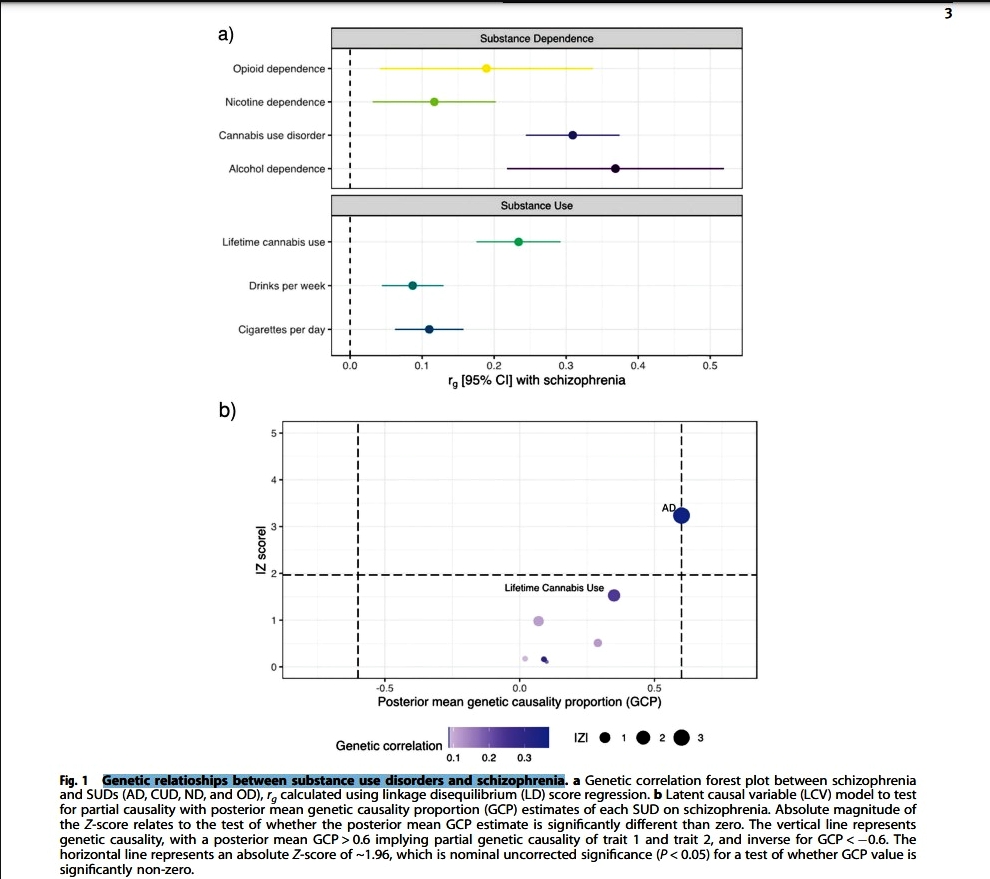
...Greco et al in Translational Psychiatry
(2022) write:
"Evidence for partial genetic causality of
alcohol dependence on schizophrenia LD score regression (LDSR)
analysis revealed significant genetic correlations between
schizophrenia and several of the SUD phenotypes after correcting for
the number of tests performed (Fig. 1a). Specifically, schizophrenia
was positively genetically correlated with AD (rg = 0.368, SE = 0.076,
P = 1.61 10−6 ), CUD (rg = 0.309, SE = 0.033, P = 1.97
10−20), ND (rg = 0.117, SE = 0.043, P = 7.0 10−3 ), and
the substance use phenotypes CPD (rg = 0.11, SE = 0.024, P = 4.93
10−6 ), DPW (rg = 0.087, SE = 0.021, P = 6.36 10−5 ) and
LCU (rg = 0.234, SE = 0.029, P = 3.74 10−15). We also found
nominally positive genetic correlation between schizophrenia and OD
(rg = 0.184, SE = 0.075, P = 0.0142), however, this did not survive
multiple-testing correction. LCV models were then constructed for the
significant traits for which their schizophrenia genetic correlation
estimate passed multiple-testing correction (AD, CUD, ND, CPD, DPW,
and LCU) to investigate whether any of the observed genetic
correlations between SUD and schizophrenia may constitute a causal
relationship (Fig. 1b, Supplementary Table 1). There was no evidence
for partial genetic causality of CUD, ND, CPD, DPW, and LCU on
schizophrenia, but there was moderate evidence that AD was partially
genetically causal for schizophrenia (GCP = 0.60, SE = 0.22, P =
0.001). We note that while the SNP heritability estimate for AD was
significantly non-zero, the Z-score for AD (h2 / SE) was somewhat
noisier (Zh 2 = 5.98) than recommended by the authors of the LCV
method (Zh 2 > 7). As a result, this inference of partial genetic
causality needs to be cautiously interpreted in light of this, with
larger GWAS of AD diagnosed using DSM-IV/DSM-V or similar likely
required to boost the precision of AD SNP heritability. DPW did not
show any evidence for a causal relationship with schizophrenia like
alcohol dependence. Interestingly, AD and DPW showed genetic
correlation (rg = 0.709, SE = 0.105, P = 1.38 10−11), as did CUD
and LCU (rg = 0.476, SE = 0.049, P = 2.71 10−22) but there was
no evidence of partial genetic causality of DPW on AD (GCP = 0.05, SE
= 0.56, P = 0.88) or CUD and LCU (GCP = 0.02, SE = 0202, P = 0.976).
No evidence of genetic correlation was observed among ND and CPD (rg =
0.071, SE = 0.054, P = 0.192). These results suggest that the
underlying mechanisms driving AD, CUD, and ND may not strongly present
in substance use observed in a population sample, although this
requires further investigation."
With this collection of correlations Greco et
al go on to reveal some evidence for causation:
"In the pairwise meta-analysis, 73 gene-sets
were statistically significant (FDR < 0.05), for schizophrenia
meta-analysed with AD, with 10 gene-sets not previously observed in
the individual schizophrenia GWAS (Supplementary Table 10), including
longterm synaptic potentiation (ngenes = 81, P = 5.71 10−5, FDR
= 0.02), exocytic vesicle (ngenes = 196, P = 1.23 10−4, FDR =
0.03), paroxysmal ventricular tachycardia (ngenes = 23, P = 1.70
10−4, FDR = 0.03), peptidyl serine dephosphorylation (ngenes =
19, P = 1.75 10−4, FDR = 0.04), hypoplasia of the olfactory bulb
(ngenes = 4, P = 2.12 10−04, FDR = 0.04), regulation of heart
contraction (ngenes = 221, P = 2.32 10−4, FDR = 0.04), and
regulation of peptidyl serine dephosphorylation (ngenes = 5, P = 2.32
10−4, FDR = 0.04)."
"We further constructed latent causal variable
(LCV) models to test for partial genetic causality and found evidence
for a potential causal relationship between alcohol dependence and
schizophrenia (GCP = 0.6, SE = 0.22, P = 1.6 10−3 ). This
putative causal effect with schizophrenia was not seen using a
continuous phenotype of drinks consumed per week, suggesting that
distinct molecular mechanisms underlying dependence are involved in
the relationship between alcohol and schizophrenia. To localise the
specific genetic overlap between schizophrenia and substance use
disorders (SUDs), we conducted a gene-based and gene-set pairwise
meta-analysis between schizophrenia and each of the four individual
substance dependence phenotypes in up to 790,806 individuals. These
bivariate meta-analyses identified 44 associations not observed in the
individual GWAS, including five shared genes that play a key role in
early central nervous system development. The results from this study
further supports the existence of underlying shared biology that
drives the overlap in substance dependence in schizophrenia, including
specific biological systems related to metabolism and neuronal
function."
and
"We then considered the association of 2,598
microRNA (miRNA) regulatory target prediction gene-sets with each
individual GWAS, followed by the bivariate meta-analyses
(Supplementary Tables 1418). There were 239 miRNA that passed FDR
correction for the individual schizophrenia GWAS, no miRNA regulator
target genesets passed FDR correction for any of the individual
substance dependence phenotypes. Notably, each of the meta-analyses
revealed a total of 17 microRNA regulatory target gene-sets, not seen
in the individual phenotypes, including six found in more than one
bivariate meta-analysis. One such interesting example was the
predicted target genes of miR-495, a microRNA that is highly enriched
in the nucleus accumbens and has been shown to play a role in
addiction-related behaviours. MiR-495 survived correction in both
schizophrenia and AD meta-analysis (ngenes = 231, P = 2.43 10−3,
FDR = 0.03), and the schizophrenia and ND model (ngenes = 231, P =
5.88 10−5, FDR = 0.01) but was only nominally significant in the
individual schizophrenia GWAS (P = 0.007), supporting how this
meta-analysis approach can increase discovery power."
The authors discuss this
"...further evidence of a causal relationship
between alcohol dependence and schizophrenia. Interestingly, there was
no causal relationship between the consumption of alcohol (drinks per
week) and schizophrenia, or between AD and DPW [drinks per week]. This
was consistent with the transancestral GWAS [genome-wide association
study] of alcohol dependence, which suggested there is a distinction
in the underlying molecular mechanisms driving pathological and
non-pathological behaviours for substance use and dependence,
particularly within biological pathways implicated in the
psychopathological aspects of problematic drinking. Additionally, it
is also well known that psychotic symptoms can occur in several
clinical conditions related to alcohol such as intoxication,
withdrawal, alcohol-induced psychotic disorder, and delirium. Although
registry data-sets come with several limitations such as the threat of
false-negatives due to under-reporting of substance use, a study on
18,478 Finnish inpatients found alcohol-induced psychosis was the most
common type of substance-induced psychotic disorder (SIPD), with a
separate Swedish study that followed 7606 individuals for 84 months
between 1995 and 2015 found that for alcohol the risk for SIPD was
4.7%. Interestingly, 22.1% (95% CI = 17.6−27.5) of patients who
had previously received a diagnosis of alcohol-induced psychosis went
on to develop schizophrenia. The putative causal relationship of AD on
schizophrenia warrants further epidemiological and biological
interrogation. There are also some important limitations to the use of
LCV [latent causal variable] modelsspecifically, they are bivariate in
nature, and thus, cannot model the effect of other plausible mediators
or confounders, while the posterior mean GCP [gradient conjugate
prior] estimate is also not a causal estimate that could be afforded
by approaches like Mendelian randomisation. However, the use of
Mendelian randomisation with a binary exposure like AD can be
challenging, particularly as only a handful of genome-wide significant
SNPs have been identified that could be suitable instrumental
variables."
https://www.nature.com/articles/s41398-022-02186-4.pdf [1901]
The key idea of Mendelian randomisation is
that, per Mendel's Law of Independent Assortment, the random
assignment of genetic variants during meiosis mimics the randomisation
that occurs in a randomised control trial. All confounders (biological
and social factors) are otherwise balanced if we study people
according to their allocated genetic variants,
"The use of the terms loci, alleles, genes,
genotype, and polymorphisms has evolved since Mendels use of
differentiating characteristics, and conventions in usage differ
between human and animal geneticists, which adds to confusion. For
clarity, these terms are defined (Box 4, Figure 2) [below]. Briefly,
the genotype of an individual refers to the two alleles inherited at a
specific locusif the alleles are the same, the genotype is homozygous,
if different, heterozygous. A polymorphism is the existence of two or
more variants (e.g. SNPs) at a locus. The basic ideais that, if such
polymorphisms produce phenotypic differences that mirror the
biological effects of modifiable environmental exposures which in turn
alter disease risk, the different polymorphisms should themselves be
related to disease risk to the extent predicted by their influence on
the phenotype. Common polymorphisms that have a well-characterized
biological function can therefore be utilized to study the effect of a
suspected exposure on disease risk. One key point is that the
distribution of such polymorphisms is largely unrelated to the sorts
of confounderssocioeconomic or behaviouralthat were identified above
as having distorted interpretations of findings from observational
epidemiological studies."
And their glossary of genetic terms:
"alleles are the variant forms detectable at a
locus
canalization is the process by which
potentially disruptive influences on normal development from genetic
(and environmental) variations are damped or buffered by compensatory
developmental processes
a gene comprises a DNA sequence, including
introns, exons, and regulatory regions, related to transcription of a
given RNA
genotype of an individual refers to the two
alleles inherited at a specific locusif the alleles are the same, the
genotype is homozygous, if different, heterozygous
a haplotype is the set of alleles present at a
series of linked loci on a chromosome; a person has two haplotypes for
any such series of loci, one inherited maternally and the other
paternally
linkage disequilibrium is the association
between alleles at different loci within the population. Linkage
disequilibrium can exist because alleles are physically close together
and tend to be co-inherited, or because they occur together for
reasons of population origin in subsections of an overall population
and therefore demonstrate a statistical association within the overall
population
a locus is the position in a DNA sequence and
may be used to refer to a single nucleotide polymorphism (SNP), or to
larger regions of DNA sequence
a marker is a segment of DNA with an
identifiable physical location on a chromosome, whose inheritance can
be followed and can be assayed in genetic association studies. In such
studies, markers are of interest if they are linked to polymorphisms
with functional significance. A marker can be a gene, an SNP or a
section of DNA with no known function
a mutation is a permanent structural
alteration in DNA or the process by which a DNA sequence is altered
pleiotropy is the potential for polymorphisms
to have more than one specific phenotypic effect
polymorphism is the existence of two or more
variants at a locus. Conventionally, the prevalence in the population
should be above 1% to be referred to as a polymorphism; if prevalence
is below this, variants are referred to as mutations
population stratification is an example of
confounding in which the co-existence of different disease rates and
allele frequencies within population sub-sections lead to an
association between the two at a whole population level
single nucleotide polymorphisms (SNPs) are
positions along a chromosome where the genetic code varies between
individuals by a single base pair (pronounced snips)"
https://academic.oup.com/ije/article/32/1/1/642797?login=false
[1960]
The verbal idea of characteristics
"Mendelizing" can be traced back to Morgan in 1913.
https://archive.org/details/hereditysex00morg/page/87/mode/1up?ref=ol&view=theater&q=Mendelize
[1960]
Havard epidemiologists O'Connor and Price
describe the LCV model:
"The latent causal variable (LCV) model is
based on a latent variable L that mediates the genetic correlation
between the two traits (Figure 1a). Under the LCV model, trait 1 is
fully genetically causal for trait 2 if it is perfectly genetically
correlated with L; ``fully" means that the entire genetic component of
trait 1 is causal for trait 2 (Figure 1b). More generally, trait 1 is
partially genetically causal for trait 2 if the latent variable has a
stronger genetic correlation with trait 1 than with trait 2;
``partially" means that part of the genetic component of trait 1 is
causal for trait 2. In order to quantify partial causality, we define
the genetic causality proportion (gcp) of trait 1 on trait 2. The gcp
ranges between 0 (no partial genetic causality) and 1 (full genetic
causality). A high value of gcp (even if it is not exactly 1) implies
that interventions targeting trait 1 are likely to affect trait 2. An
intermediate value implies that some interventions targeting trait 1
may affect trait 2....We caution that low gcp estimates are not
evidence of full genetic causality, and we refer to trait pairs with
low gcp estimates as having limited partial genetic causality. LCV
p-values test the null hypothesis that gcp=0, and a highly significant
p-value does not imply a high gcp."
https://europepmc.org/backend/ptpmcrender.fcgi?accid=PMC6684375&blobtype=pdf
[1962]
According to Lu Qi of the Department of
Nutrition, Harvard School of Public Health, Boston and elsewhere:
"The Mendelian randomization approach also
holds considerable promise in the study of intrauterine influences on
offspring health outcomes."
and
"Mendelian randomization studies may have
particular relevance in assessing the effects of long-term (lifetime)
exposures, such as dietary intake, lifestyle, and excessive adiposity,
whereas RCTs can examine only short-term effects. Interest in using
Mendelian randomization in causality inference has been growing
rapidly over the past 5 years."
and has a little more on the maths:
"Recently, the instrumental variable (IV)
method was introduced as a formal test of Mendelian randomization
using the genetic markers as IVs. This method calculates the predicted
effect of exposure on outcome, given the associations between genotype
and exposure and between genotype and outcome. The IV approach is
widely used in econometrics to deal with 'endogeneity,' a broad term
covering confounding, reverse causality, and regression dilution bias.
An IV should be: 1) not correlated with the confounders; 2) related to
the exposure of interest; and 3) related to the outcome only through
the exposure of interest. In the context of Mendelian randomization
analysis, the genetic variant, which is not associated with
confounding variables, can act as an IV for the environment exposure.
The two-stage least squares (2SLS) method is most widely used to fit
the IV models. In brief, in the first stage of the analysis, IV is
used to generate predicted values for the independent exposure
(endogenous) variable. The predicted value is then used in a
second-stage regression to explain the variation in outcome. The
F-statistics from the first-stage regressions can be used to evaluate
the strength of the IV in estimating the exposure. A value greater
than 10 is generally assumed to be a sign of sufficient strength.
Because genotype is associated with the exposure but not the
confounders, the predicted exposureoutcome association is not
confounded and is likely the estimate for the causal effect. Other
methods such as a structural equation model have also been used in
Mendelian randomization analysis. In the case of non-linear variables,
the structural equation approach allows a simpler interpretation of
the regression coefficients when compared with an IV approach."
Mendelian randomization has supported
causality in some associations, and abolished it in others (Table 1).
They describe how genetic risk factors for esophegal cancer were
calculated:
"Alcohol consumption has been related to the
risk of esophageal cancer, partly through the carcinogenic effects of
alcohols principal metabolite acetaldehyde. However, alcohol intake
tends to be correlated with other lifestyle risk factors such as
smoking and diet. Lewis et al. examined the causal relation between
alcohol and esophageal cancer risk using genetic data on the ALDH2
(aldehyde dehydrogenase 2 family) gene, which encodes the major enzyme
eliminating acetaldehyde. A single point mutation in ALDH2 results in
the 2*2 allele (glutamic acid to lysine substitution at residue 487)
and inactivation of the enzyme. This in turn leads to an accumulation
of acetaldehyde after alcohol intake. Individuals who are homozygous
for the 2*2 allele have peak blood alcohol levels that are 18 times
higher and heterozygotes 5 times higher than *1*1 homozygotes.
Drinking alcohol is likely to cause unpleasant symptoms such as
nausea, drowsiness, and headache in the carriers. Therefore, *2*2
homozygotes drink significantly less alcohol than the wild-type
carriers, and heterozygotes fall somewhere in the middle. The authors
performed a meta-analysis including 905 cases of esophageal cancer and
2,078 controls from seven studies carried out in Japan, Taiwan, and
Thailand. The relative risk (RR) of esophageal cancer for *1*1
homozygotes versus *2*2 homozygotes was 2.77 [95% confidence interval
(CI), 1.256.12]. The authors predicted RR for genotype *1*1 based on
the following data: 1) A meta-analysis that found light, moderate, and
heavy drinkers had 1.8-, 2.38-, and 4.36-fold higher risk of cancer,
respectively, than nondrinkers.27 2) One study reported that 9.4%,
28.2%, 39.6%, and 22.9% of *1*1 individuals were non-, light,
moderate, and heavy drinkers, respectively; whereas all 2*2
individuals were virtually nondrinkers. The overall RR for *1*1
homozygotes was then derived with a formula RR = RRi Pi, where i
denotes the drinking category (non-, light, moderate, or heavy), RRi
is the relative risk in the ith drinking category estimated by a
meta-analysis, and Pi is the assumed proportion of ith drinking
category among controls. The predicted RR was 2.54, comparable to the
meta-analysis on the non-confounded genetic association (RR = 2.77).
The data support a causal effect of drinking on esophageal cancer
risk."
https://www.ncbi.nlm.nih.gov/pmc/articles/PMC3671930/ [1961]
Continuing with the drinking:
In Kapoor et al: "Multi-omics integration
analysis identifies novel genes for alcoholism with potential overlap
with neurodegenerative diseases" in Nature Communications 2021, the
authors looked for causal variants and genes...underlying the biology
of alcohol use disorder (AUD) and drinks per week (DPW):
"Using Mendelian Randomization-based methods
on the largest available transcriptomic and epigenomic data for brain
tissues (Supplementary Data 1) and myeloid cells, we prioritized
regulatory variants that influence AUD and DPW (Fig. 1). The current
manuscript explored the multi-omic integration results in AUD and DPW
separately and subsequently focused on the overlapping genes between
these two traits. Overlapping genes prioritized in current analysis
are primarily driven by individual GWASs. Therefore, these signals are
minimally influenced by the sample size bias that might arise due to
the integration of two correlated traits with extreme differences in
power....To the best of our knowledge, this is the largest systematic
multi-omics integration analysis to identify the functional impact of
variants and genes associated with two correlated but etiologically
distinct aspects of alcohol involvement."
Among the results:
"AUD meta-analysis. The large meta-analysis of
AUD GWAS summary statistics (N = 48,545 AUD cases and 187,065
controls) from the Million Veterans Program (MVP)19, the Psychiatric
Genetics consortium (PGC-SUD)12 and the Collaborative Studies on
Genetics of Alcoholism (COGA)20 identified 1157 SNPs (31 independent
lead SNPs) within or near 79 genes at 10 independent loci associated
with AUD (Supplementary Figs. 14). We did not include UKB-AUDIT-P in
this meta-analysis to specifically focus on AUD. Many of these loci
were shared between the AUD GWAS meta-analysis and the DPW GWAS by Liu
et al. who identified 81 independent loci represented by 5197 (>200
independent lead) SNPs. A total of 360 SNPs associated with AUD and
DPW were in common (i.e., p < 5 10−8 in both GWAS)
(Supplementary Fig. 5). A large and nominally significant proportion
(45%) of AUD and DPW-associated SNPs were within intronic, UTR and
non-coding regions of the genome (Supplementary Fig. 6). LDSC analysis
using tissue specific epigenetic annotations. We used the stratified
linkage disequilibrium score (LDSC) regression to test whether the
heritability of AUD and DPW is enriched in regulatory regions
surrounding genes in a specific tissue. Using multi-tissue chromatin
(ROADMAP and ENTEX) data, we observed a significant enrichment of
promoter-specific epigenetic markers (H3K4me1/me3) in the fetal and
the adult (germinal matrix, frontal-cortex) brain (P < 5
10−8) (Fig. 2; Supplementary Data 2 and 3) for the SNPs
associated with AUD and DPW, respectively."
and
"Identification of SPI1 and MAPT as genes for
AUD are good examples of pleiotropy and/ or causal links between the
alcohol intake and susceptibility to AUD, other psychiatric disorders
(e.g., depression), and even Alzheimers disease and other
neurodegenerative diseases. We found that increased SPI1 expression in
myeloid lineage cells was associated with a higher DPW and higher risk
for AUD. Recently, Zhang and colleagues observed that protein
expression levels of SPI1 in the cerebellum and spleen from subjects
with Major depressive disorder and schizophrenia were significantly
higher than in controls. In the past, we have demonstrated that
functional variants related to SPI1 expression are associated with the
risk of Alzheimers disease. Similar to this study, higher levels of
expression of SPI1 is associated with increased risk for Alzheimers
disease. SPI1 (Spi-1 Proto-Oncogene) encodes an ETS-domain
transcription factor (PU.1) that regulates gene expression during
myeloid and B-lymphoid cell development and homeostasis. This nuclear
protein binds to a purine-rich sequence known as the PUbox found near
the promoters of target genes and, in coordination with other
transcription factors and cofactors, regulates their expression; among
the genes are LXR/RXR nuclear receptors. In the brain, SPI1 is
specifically expressed in microglia. Given SPI1s control over
expression of several downstream genes, this gene may be a major
reason enrichment of immune pathways is observed in transcriptomic
analysis of human and animal brains. Because of the small fraction of
microglia in bulk brain tissue, it is difficult to study the
expression of this transcription factor in transcriptomic datasets
from whole brains. Some studies using animal models have reported that
chronic alcohol consumption can influence the expression of PU.1 in
isolated microglia and peripheral lung macrophages. However, these
studies report the consequences of drinking on PU.1 expression whereas
our study uses genomic evidence to demonstrate that regulation of
innate immune response likely underlies, at least in part,
susceptibility to increased drinking and eventual risk for AUD. MAPT
is another example of a pleiotropic relationship between AUD and other
neuropsychiatric and neurodegenerative disorders. Located on
chromosome 17, MAPT, encodes the tau proteins best known medically for
their role in central nervous system disorders such as Alzheimers
disease, frontotemporal dementia, Parkinsons disease, and the primary
tauopathies progressive supranuclear palsy and corticobasal
degeneration. Recently, Hoffman and colleagues showed that alcohol use
can upregulate the expression of pTau (Ser199/Ser202) in the
hippocampus of C57BL/6J mice. Another study in humans observed
differences in CSF-Tau levels in demented people with alcohol use vs
Alzheimer disease patients. CRHR1 (corticotropinreleasing hormone type
I receptor) is another gene on 17q.21.31, that has been reported to be
associated with alcoholism. However, in our analysis, we did not
observe an association between CRHR1 expression and alcohol
consumption. We also identified other genes that might be involved in
increased alcohol consumption through a variety of biological
mechanisms. For example, VPS4A at 16q23.1 has been implicated in
dopamine regulation, reward anticipation, and hyperactivity in an fMRI
study. We also identified functional variants for SULT1A1 and SULT1A2
genes that encode for Sulfotransferase Family 1A enzymes catalyzing
the sulfate conjugation of many hormones, neurotransmitters, drugs,
and xenobiotic compounds. In IPA disease enrichment analysis, we
observed a nominally significant overlap between genes implicated in
DPW with other neurological, behavioral and immune-related disorders
(Supplementary Fig 16). The genes associated with DPW also showed
significant enrichment for pathways related to TR/ RXR activation,
Lipoate biosynthesis, Estrogen biosynthesis, and Sirtuin signaling
(Supplementary Data 8). TRs (Thyroid hormone receptor) control the
expression of target genes involved in diverse physiological processes
and diseases, such as metabolic syndrome, obesity, and cancer, and,
therefore, are considered as important targets for therapeutic drug
development. RXRs (Retinoic X Receptor) are known to potentially
regulate the ethanol metabolizing enzymes after chronic alcohol
consumption. It has been reported that the human aldehyde
dehydrogenase-2 (ALDH2) promoter contains a retinoid response element,
which might be contributing to the regulation of the gene. Sirtuins
signaling has been shown to play an important role in cocaine and
morphine Action in the Nucleus Accumbens. Ferguson and colleagues
demonstrated that systemic administration of a nonselective
pharmacological activator of all sirtuins can increase the cocaine
reward."
"We have identified a number of candidate
causal genes for DPW and AUD, resulting from a multi-omic analysis of
human genetic and expression data."
Again attention is drawn to the lack of any
practical use of this data in treating the individual with the
information available to him or her under the present circumstances.
What the everyday drinker or his bar knows about, say, Slovenia's
predisposing genes, is negligible to nothing.
https://www.researchgate.net/journal/Nature-Communications-2041-1723/publication/354030227_Multi-omics_integration_analysis_identifies_novel_genes_for_alcoholism_with_potential_overlap_with_neurodegenerative_diseases/links/61208e290c2bfa282a5ce4ca/Multi-omics-integration-analysis-identifies-novel-genes-for-alcoholism-with-potential-overlap-with-neurodegenerative-diseases.pdf
[1902]
And let's not forget "Transancestral GWAS of
alcohol dependence reveals common genetic underpinnings with
psychiatric disorders" (2018) in which Walters et al remind us that
"Liability to alcohol dependence (AD) is
heritable, but little is known about its complex polygenic
architecture or its genetic relationship with other disorders. "
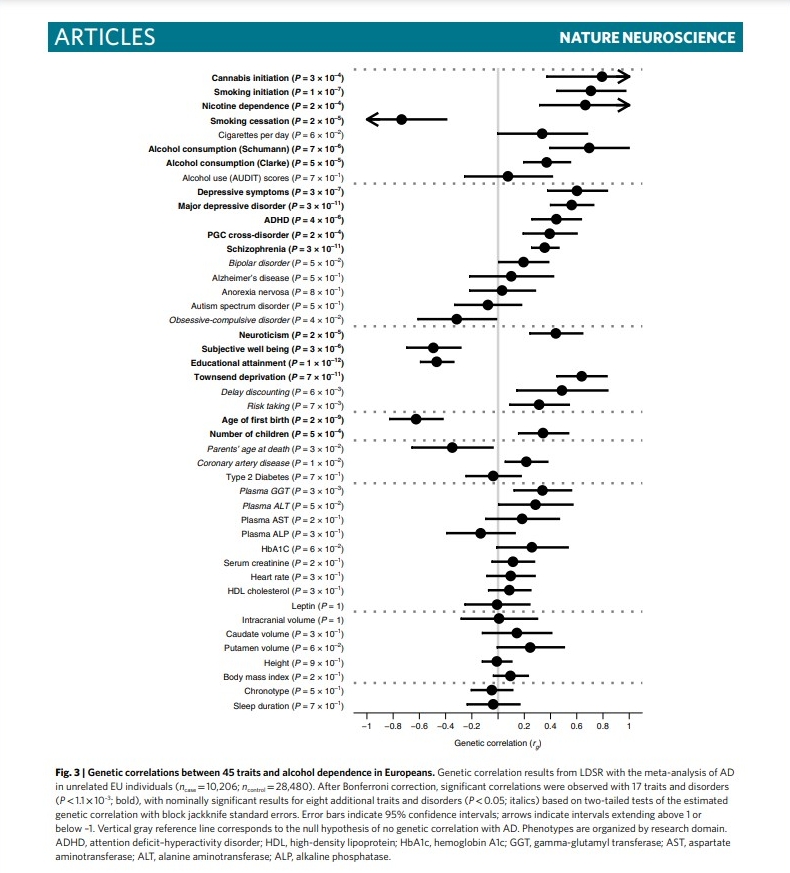
"The current analysis identified robust
genetic correlation of AD with a broad variety of psychiatric
outcomes. This correlation was strongest for aspects of negative mood,
including neuroticism and major depression, as also seen in twin
studies and through recent specific molecular evidence for pleiotropy.
Taken together with evidence from other recent genomic studies, and
with null correlations for other GWAS of alcohol consumption but not
for measures of problem drinking (for example, AUDIT-P), these
findings suggest that major depression may primarily share genetic
liability with alcohol use at pathological levels.
"AD was also strongly genetically correlated
with poor educational and socioeconomic outcomes and marginally
correlated with measures of risk-taking. Nominally significant genetic
correlations with delay discounting (i.e., favoring immediate rewards)
and risktaking, and the strong genetic correlation of AD with
attention deficithyperactivity disorder, cigarette smoking, and
cannabis use, may similarly reflect a shared genetic factor for
risk-taking and reduced impulse control. Common genetic liability to
early, risky behaviors is characteristic of both AD and age of first
birth. The observed negative genetic correlation with age of first
birth is consistent both with risk-taking and with the significant
genetic correlations of AD with lower socioeconomic status, as indexed
by higher neighborhood Townsend deprivation score and lower
educational attainment. Lower socioeconomic status is correlated with
both AD and age of first birth, and the current study suggests that
shared genetic liabilities may be one potential mechanism for their
observed relationship. However, the question of whether these genetic
correlations represent causal processes, horizontal pleiotropy, or the
impact of unmeasured confounders should be explored in the future.
"Lower genetic correlations were observed for
most biomedical and anthropometric outcomes. Liver enzymes GGT and
ALT, once proposed as possible biomarkers for alcohol abuse, showed
only nominal evidence for genetic correlation with AD, and neither
survived multiple-testing correction. Notably, we did not find any
association between AD and body-mass index (BMI). Negative genetic
correlations with BMI were previously reported for both alcohol
consumption and AUDIT scores, but there is prior evidence that BMI has
differing underlying genetic architectures in the context of AD and
outside of that context. The negative genetic correlations observed in
those studies are consistent with studies of light to moderate
drinking, which is also associated with healthier lifestyle behaviors,
while heavy and problematic drinking is typically associated with
weight gain."
https://helda.helsinki.fi/bitstream/10138/307699/1/s41593_018_0275_1.pdf
[1904]
Philip C Haycock thinks the concept of a fetal
alcohol spectrum should be expanded to include preconceptional
effects. Writing in 2009, he references not the latest research, but
some animal experiments published in 1913 which are very germane to
this preconceptual effect theory. The fetus is not directly exposed to
the toxin at all,
Dr Stockard's paper "The Effect on the
Offspring of Intoxicating the Male Parent and the Transmission of the
Defects to Subsequent Generations" is still widely cited today:
"In one extensive series of experiments,
guinea pigs were treated by the inhalation method to the point of
intoxication every day, except Sundays, for approximately 3 yr. 'From
time to time,' treated animals (males and females) were mated with
untreated control. Various experimental conditions were tested, such
as 'alcoholized females' 'normal males' 'alcoholized females'
'alcoholized males,' and 'alcoholized males' 'normal females.'
"It was found that after 34 successful
crossings between alcoholized males and normal females, 24% of litters
were stillborn. The remaining litters produced 54 offspring, 39% of
which died soon after birth. In comparison, a normal male normal
female crossing resulted in 33 litters, of which 1 (3%) was stillborn,
and of the 60 live offspring, 4 (7%) died soon after birth. In
addition, the untreated offspring of parents from alcoholized
conditions tended to have fewer surviving offspring than controls (54%
vs. 93%). In sum, these results suggest that alcohol administered to
males during the preconceptional period resulted in high rates of
perinatal mortality in offspring, and that these effects persisted
into the F(2) generation."
https://www.journals.uchicago.edu/doi/epdf/10.1086/279379 [1905]
After summarising various unpleasant
physiological preconceptual effects, upon the offspring, of alcohol
administered to daddy rats prior to conception, Haycock turns to
behaviour.
"Studies employing chronic dosage regimens
have also uncovered behavioral effects of paternal alcohol exposure.
For example, in one study, 18-day-old offspring of male rats intubated
with 3 or 2 g/kg ethanol twice a day for 7 mo were more active in the
open field compared with controls, and they took a greater number of
trials to complete a passive avoidance learning task.
"In another study, male mice were maintained
on a liquid diet for 5661 days in which alcohol provided 0%, 10%, or
20% of their calories. Organ weights (except for thymus), litter size,
and weights at birth and at ages 21 and 55 days were not affected.
However, a dose-dependent decrease in physical activity at 20 and 24
days of age, as well as decreases in serum testosterone at 55 days of
age, were observed in offspring derived from the alcohol treatment
groups. In addition, offspring of fathers receiving 20% of their
calories from alcohol performed better on a passive avoidance task but
more poorly in a T-maze task.
"In a study of both mice and rats, males
received 0%, 10%, or 25% of the calories from ethanol during 714 wk.
It was observed that mice from the alcohol-exposed group were
relatively more immobile in a swimming behavioral task. In contrast,
rats from the alcohol-exposed group displayed an opposite effect,
being less immobile in the same task.
"In a separate study, male rats receiving
17.5% or 35% of their dietary calories from alcohol sired female
offspring who performed worse in a two-way shock avoidance learning
task. However, no effects on birth weight, spontaneous alternation, or
passive avoidance learning were observed.
"Studies employing acute dosage regimens have
also reported effects of paternal alcohol exposure on offspring
development. In one study, in which male rats were intubated with a
once-off dose of either 6, 4, 2, or 0 g/kg ethanol, there was a
significant dose-response effect on the frequency of runts (<5.5 g
at birth) and the number of malformations. However, no differences in
mating, fecundity, or litter size were reported. In a separate study,
a once-off dose of 5 g/kg administered by intraperitoneal injection to
male rats 24 h prior to mating resulted in fewer matings, smaller
litter sizes, and higher fetal mortality."
Much more in the article about the possible
mechanisms. He concludes:
"In sum, alterations in epigenetic programming
may underlie the teratogenic consequences of ethanol exposure prior to
conception, as well as after conception, during preimplantation and
gastrulation. One of the main implications of an epigenetic
perspective is that the FASD spectrum is not limited to clinical
defects arising from in utero ethanol exposure, suggesting that the
concept of a fetal alcohol spectrum should be expanded to include
preconceptional effects."
and
"Finally, an epigenetic perspective suggests
that alcohol exposure outside of the organogenic period (e.g., during
preimplantation or prior to conception) might have teratogenic
consequences for the CNS. Indeed, the association of paternal alcohol
consumption with behavioral and cognitive abnormalities in offspring
in some animal and human studies (discussed above) supports this view.
Because such cases are unlikely to receive a diagnosis within the FASD
spectrum (gestational alcohol exposure being a requirement for
diagnosis), this raises the possibility that transgenerational
responses to alcohol might account for a significant proportion of
idiopathic neurodevelopmental disorders (e.g., idiopathic autism) in
humans."
https://academic.oup.com/biolreprod/article/81/4/607/2557677
[1906]
Burdinski et al (2024) longitudinally measured
medical cannabis users' task abilities and brain volumes using fMRI.
"No statistically significant difference in
brain activation between the 2 time points (baseline and 1 year) in
those with medical cannabis cards and no associations between changes
in cannabis use frequency and brain activation after 1 year were
found."
https://jamanetwork.com/journals/jamanetworkopen/fullarticle/2823671
[3550]
In the years since the ZPPPD preconceptual
epigenetic effects on offspring have become a hot topic. In 2009 Ouko
et al at the University of Witwaterstrand reported on "Effect of
alcohol consumption on CpG methylation in the differentially
methylated regions of H19 and IG-DMR in male gametes: implications for
fetal alcohol spectrum disorders":
"Background: Exposure to alcohol in utero is
the main attributable cause of fetal alcohol spectrum disorders (FASD)
which in its most severe form is characterized by irreversible
behavioral and cognitive disability. Paternal preconception drinking
is not considered to be a significant risk factor, even though animal
studies have demonstrated that chronic paternal alcohol consumption
has a detrimental effect on the physical and mental development of
offspring even in the absence of in utero alcohol exposure. It has
been documented that alcohol can reduce the levels and activity of DNA
methyltransferases resulting in DNA hypomethylation and that reduced
methyltransferase activity can cause activation of normally silenced
genes. The aim of this study was to establish a link between alcohol
use in men and hypomethylation of paternally imprinted loci in sperm
DNA in genomic regions critical for embryonic development, thus
providing a mechanism for paternal effects in the aetiology of FASD.
"Methods: Sperm DNA from male volunteers was
bisulfite treated and the methylation patterns of 2 differentially
methylated regions (DMRs), H19 and IG-DMR, analyzed following
sequencing of individual clones. The methylation patterns were
correlated with the alcohol consumption levels of the volunteer males.
"Results: There was a pattern of increased
demethylation with alcohol consumption at the 2 imprinted loci with a
significant difference observed at the IG-DMR between the nondrinking
and heavy alcohol consuming groups. Greater inter-individual variation
in average methylation was observed at the H19 DMR and individual
clones were more extensively demethylated than those of the IG-DMR.
CpG site #4 in the IG-DMR was preferentially demethylated among all
individuals and along with the H19 DMR CpG site #7 located within the
CTCF binding site 6 showed significant demethylation in the alcohol
consuming groups compared with the control group.
"Conclusion: This study demonstrates a
correlation between chronic alcohol use and demethylation of normally
hypermethylated imprinted regions in sperm DNA. We hypothesize that,
should these epigenetic changes in imprinted genes be transmitted
through fertilization, they would alter the critical gene expression
dosages required for normal prenatal development resulting in
offspring with features of FASD."
https://pubmed.ncbi.nlm.nih.gov/19519716/ [3331]
Day et al in "Influence of paternal
preconception exposures on their offspring: through epigenetics to
phenotype" (2016) discuss paternal age (the Defence asserts genetic
age supervenes calendar age), paternal diet (the Defence asserts
cannabis and psychedelics improve dietary choices and that cannabis
assists digestive metabolism), environmental toxicants and
psychosocial stressors (the Defence asserts the Town Smell falls into
both categories), and particularly alcohol (the Defence evidence shows
cannabis and psychedelics are associated with reduced alcohol
consumption):
"FASDs are a broad array of congenital
disorders with major symptoms including reduced birth weight, impaired
cognitive function and behavior, and neuropsychological deficits in
visual-spatial learning. Studies have shown that paternal alcohol
consumption has epigenetic effects on sperm DNA, suggesting a role in
the development of congenital disorders in offspring. Up to 75% of
children with FASD have biological fathers who are alcoholics,
suggesting that preconceptional paternal alcohol consumption
negatively impacts their offspring. It has been shown that teratogens
such as alcohol significantly reduce the activity of DNA
methyltransferases, leading to increased CG hypomethylation and
subsequent activation of normally silenced genes. Chronic paternal
alcohol consumption alone hypomethylates his offsprings genes even in
the absence of maternal alcohol consumption before or during
pregnancy. This epigenetic hypomethylation alters gene expression
dosages required for normal prenatal development, resulting in
offspring with characteristic symptoms of FASDs. Here we examine the
effects of paternal alcohol consumption on the prevalence and symptoms
of FASDs and related congenital defects.
"Effects on birthweight and individual organ
weights
A hallmark symptom of FASD is decreased
newborn birth weight. Murine studies have shown that offspring from
alcohol-treated fathers have a higher prevalence of low birth weights.
A study in rats has shown that offspring from alcohol-treated fathers
decreased in weight by two or more standard deviations when compared
to the average weight of offspring born from controls. This effect was
observed in offspring of both acute and long-term alcohol-treated
fathers, which suggests that epigenetic modifications are sensitive to
even small amounts of paternal alcohol consumption. In addition to
marked decreases in birth weight, studies have shown that alcohol
consumption can alter the weight of individual organs. For example,
fathers treated with alcohol for several weeks prior to breeding were
more likely to produce offspring with increased adrenal weights and
decreased spleen weights. This suggests that paternal alcohol
consumption may also have an epigenetic impact on the gene expression
governing individual organ development. Furthermore, autopsy and brain
imaging studies have shown marked reductions in overall brain size,
specifically in the cerebellum, basal ganglia, and corpus callosum.
This observed physiological effect on brain structures can explain
impaired cognitive function displayed by offspring sired by
alcohol-treated fathers.
"Effects on cognitive behavior and motor
ability
Studies have demonstrated the adverse effects
of paternal alcohol consumption on the cognitive and motor ability of
offspring. For example, one study involved feeding male mice varied
liquid alcohol diets containing 25%, 10%, or 0% ethanol-derived
calories (EDC). After 7 to 14 weeks of diet treatment, the males were
bred to non-treated females. Offspring were then subjected to a forced
swim test, in which offspring of alcohol-sired fathers were more
immobile than offspring of fathers receiving 0% EDC. While this may
suggest decreased motor ability due to paternal alcohol consumption,
this seems to also be a species-specific effect. The same study was
conducted on rats, showing opposite results with offspring of
alcohol-sired fathers exhibiting increased mobility.
"One possible explanation for this discrepancy
could be the species specific response to stressful situations. In
humans, it is known that children with fetal alcohol syndrome cope
poorly with stressful situations, and therefore display
hyperresponsiveness to stress. In these situations, stressors cause an
increased corticosterone response, resulting in exaggerated reactions
to stressful situations. This could explain why the rat offspring of
alcohol-treated fathers exhibited increased mobility when forced to
swim; the hyperresponsiveness to stress may override the impaired
motor function that is normally seen in affected offspring. While
these results in mice and rats may seem paradoxical, the mechanisms
being affected need to be isolated and examined separately to
determine causation.
"In addition to this hyperresponsiveness seen
in rats, similar studies have also shown that rats sired by
alcohol-treated fathers have greater difficulty learning new tasks and
have impaired spatial learning skills when subjected to maze tests.
Studies also suggest that epigenetic modifications occur in sperm DNA,
which may be passed onto offspring. Further studies need to be
conducted in order to determine the specific mechanism by which these
modifications are passed from father to offspring. Understanding these
mechanisms would provide more insight into preventative measures
against FASDs and similar congenital defects.
"Other epigenetic effects of paternal alcohol
consumption
Paternal alcohol consumption has been
implicated in additional congenital disorders, presumably via
epigenetic mechanisms. In an epidemiological study by the Kaiser
Foundation, the frequency and severity of certain congenital
abnormalities were correlated with paternal alcohol consumption. For
example, paternal alcohol consumption was found to be positively
associated with ventricular septal defects in newborn children.
Separate animal studies have also shown that paternal alcohol
consumption can lead to increased susceptibility to Pseudomonas
infection. The severity of this increased susceptibility was found to
be identical to that of animals whose mothers consumed alcohol during
pregnancy, suggesting that paternal epigenetic alterations are as
crucial to the development of offspring as maternal ones. Overall,
these studies imply that early changes in a fathers lifestyle can
decrease prevalence of congenital disorders in his offspring."
https://www.ncbi.nlm.nih.gov/pmc/articles/PMC4913293/ [3332]
Chang et al (2019) continued this interesting
assault on male exceptionalism with "Preconception paternal alcohol
exposure exerts sex-specific effects on offspring growth and long-term
metabolic programming" in which daddy mice were given 70-days of
preconception treatment with alcohol. Exposed males were then mated to
six- to eight-week-old females. At no point during these experiments
were the females ever exposed to the preconception treatments.
The difficulties of detecting such an effect
in humans are all but insurmountable. Where do you find a sufficient
number of children of sober mothers whose alcoholic father is no
longer on the scene, confounding the nature/nurture analysis? How much
did the father drink before the pregnancy? The Texas A&M
University researchers list the references:
"For example, clinical data can correlate
paternal alcoholism with negative impacts on child behavior and
cognitive development. In addition, clinical associations between
paternal drinking and increased rates of congenital abnormalities, as
well as decreases in infant birth weight and head circumference, have
been reported. However, in these studies, additional and often
uncontrolled factors such as nutrition, poor housing conditions,
maternal stress, smoking, and parental alcohol use all exert
independent effects on child growth and development. In this setting,
it is virtually impossible to identify a direct link between
preconception paternal alcohol use and child development."
However in the mice, with controlled
conditions, the picture was clear:
"Preconception paternal alcohol exposure
induced a prolonged period of fetal gestation and an increased
incidence of intrauterine growth restriction, which affected the male
offspring to a greater extent than the females. While the female
offspring of ethanol-exposed males were able to match the body weights
of the controls within the first 2 weeks of postnatal life, male
offspring continued to display an 11% reduction in weight at 5 weeks
of age and a 6% reduction at 8 weeks of age. The observed growth
deficits associated with insulin hypersensitivity in the male
offspring, while in contrast, females displayed a modest lag in their
glucose tolerance test. These metabolic defects were associated with
an up-regulation of genes within the pro-fibrotic TGF-β signaling
pathway and increased levels of cellular hydroxyproline within the
livers of the male offspring. We observed suppressed cytokine profiles
within the liver and pancreas of both the male and female offspring,
which correlated with the up-regulation of genes in the
LiverX/RetinoidX/FarnesoidX receptor pathways. However, patterns of
gene expression were highly variable between the offspring of
alcohol-exposed sires. In the adult offspring of alcohol-exposed
males, we did not observe any differences in the allelic expression of
Igf2 or any other imprinted genes.
"Conclusions
The impact of paternal alcohol use on child
development is poorly explored and represents a significant gap in our
understanding of the teratogenic effects of ethanol. Our studies
implicate paternal exposure history as an additional and important
modifier of alcohol-induced growth phenotypes and challenge the
current maternal-centric exposure paradigm."
https://www.ncbi.nlm.nih.gov/pmc/articles/PMC6341619/ [3328]
2019 continued with "Parental alcohol
consumption and the risk of congenital heart diseases in offspring: An
updated systematic review and meta-analysis" from the Xiangya School
of Public Health, Hunan, in which paternal alcohol was associated with
a nearly threefold greater risk than maternal consumption:
"A total of 55 studies involving 41,747 CHD
cases and 297,587 controls were identified. Overall, both maternal
(odds ratio (OR) = 1.16; 95% confidence interval (CI): 1.05-1.27) and
paternal (OR = 1.44; 95% CI: 1.19-1.74) alcohol exposures were
significantly associated with risk of total CHDs in offspring.
Additionally, a nonlinear dose-response relationship between parental
alcohol exposure and risk of total CHDs was observed. With an increase
in parental alcohol consumption, the risk of total CHDs in offspring
also gradually increases. For specific CHD phenotypes, a statistically
significant association was found between maternal alcohol consumption
and risk of tetralogy of fallot (OR = 1.20; 95% CI: 1.08-1.33).
Relevant heterogeneity moderators have been identified by subgroup
analysis, and sensitivity analysis yielded consistent results."
https://academic.oup.com/eurjpc/article-pdf/27/4/410/34258325/eurjpc0410.pdf
[3229]
This was duly reported by the European Society
of Cardiology, who write:
"Drinking alcohol three months before
pregnancy (and during the first trimester for mothers) was associated
with a 44% raised risk of congenital heart disease for fathers and 16%
for mothers, compared to not drinking. Binge drinking, defined as five
or more drinks per sitting, was related to a 52% higher likelihood of
these birth defects for men and 16% for women.
"Binge drinking by would-be parents is a high
risk and dangerous behaviour that not only may increase the chance of
their baby being born with a heart defect, but also greatly damages
their own health, said study author Dr Jiabi Qin, of Xiangya School of
Public Health, Central South University, Changsha, China.
"Dr Qin said the results suggest that when
couples are trying for a baby, men should not consume alcohol for at
least six months before fertilisation while women should stop alcohol
one year before and avoid it while pregnant.
"Congenital heart diseases are the most common
birth defects, with approximately 1.35 million babies affected every
year. These conditions can increase the likelihood of cardiovascular
disease later life, even after surgical treatment, and are the main
cause of perinatal death. Alcohol is a known teratogen and has been
connected with foetal alcohol spectrum disorder (FASD). Around one in
four children with FASD have congenital heart disease, indicating that
alcohol might also be implicated in these disorders.
"Previous studies investigating the link
between alcohol and congenital heart disease have focused on
prospective mothers, with inconclusive results. This is the first
meta-analysis to examine the role of paternal alcohol drinking."
https://www.escardio.org/The-ESC/Press-Office/Press-releases/Fathers-to-be-should-avoid-alcohol-six-months-before-conception
[3330]
Back with the maternal alcohol Flentke et al
bring us up to 2024 with "Alcohol exposure suppresses ribosome
biogenesis and causes nucleolar stress in cranial neural crest cells",
in which the progeny of drunk mummy zebra fish were examined in search
of a mechanism involving ribosome biogenesis, which turned out to be a
successful endeavour:
"Prenatal alcohol exposure (PAE) causes
cognitive impairment and a distinctive craniofacial dysmorphology, due
in part to apoptotic losses of the pluripotent cranial neural crest
cells (CNCs) that form facial bones and cartilage. We previously
reported that PAE rapidly represses expression of >70 ribosomal
proteins (padj = 10-E47). Ribosome dysbiogenesis causes nucleolar
stress and activates p53-MDM2-mediated apoptosis. Using primary avian
CNCs and the murine CNC line O9-1, we tested whether nucleolar stress
and p53-MDM2 signaling mediates this apoptosis. We further tested
whether haploinsufficiency in genes that govern ribosome biogenesis,
using a blocking morpholino approach, synergizes with alcohol to
worsen craniofacial outcomes in a zebrafish model. In both avian and
murine CNCs, pharmacologically relevant alcohol exposure (20mM, 2hr)
causes the dissolution of nucleolar structures and the loss of rRNA
synthesis; this nucleolar stress persisted for 18-24hr. This was
followed by reduced proliferation, stabilization of nuclear p53, and
apoptosis that was prevented by overexpression of MDM2 or
dominant-negative p53. In zebrafish embryos, low-dose alcohol or
morpholinos directed against ribosomal proteins Rpl5a, Rpl11, and
Rps3a, the Tcof homolog Nolc1, or mdm2 separately caused modest
craniofacial malformations, whereas these blocking morpholinos
synergized with low-dose alcohol to reduce and even eliminate facial
elements. Similar results were obtained using a small molecule
inhibitor of RNA Polymerase 1, CX5461, whereas p53-blocking
morpholinos normalized craniofacial outcomes under high-dose alcohol.
Transcriptome analysis affirmed that alcohol suppressed the expression
of >150 genes essential for ribosome biogenesis. We conclude that
alcohol causes the apoptosis of CNCs, at least in part, by suppressing
ribosome biogenesis and invoking a nucleolar stress that initiates
their p53-MDM2 mediated apoptosis. We further note that the facial
deficits that typify PAE and some ribosomopathies share features
including reduced philtrum, upper lip, and epicanthal distance,
suggesting the facial deficits of PAE represent, in part, a
ribosomopathy."
https://journals.plos.org/plosone/article?id=10.1371/journal.pone.0304557
[3333]
2024 also saw a quantification of a threshold
dose for paternal alcohol use in F1 FASD, by Higgins et al at Texas
A&M, in "Chronic paternal alcohol exposures induce dose-dependent
changes in offspring craniofacial shape and symmetry":
"Procrustes ANOVA followed by canonical
variant analysis of geometric facial relationships revealed that Low-,
Medium-, and High-dose treatments each induced distinct changes in
craniofacial shape and symmetry. Our analyses identified a dose
threshold between 1.543 and 2.321 g/kg/day. Below this threshold,
preconception paternal alcohol exposure induced changes in facial
shape, including a right shift in facial features. In contrast, above
this threshold, paternal exposures caused shifts in both shape and
center, disrupting facial symmetry. Consistent with previous clinical
studies, changes in craniofacial shape predominantly mapped to regions
in the lower portion of the face, including the mandible (lower jaw)
and maxilla (upper jaw). Notably, high-dose exposures also impacted
the positioning of the right eye. Our studies reveal that paternal
alcohol use may be an unrecognized factor contributing to the
incidence and severity of alcohol-related craniofacial defects,
complicating diagnostics of fetal alcohol spectrum disorders."
https://www.frontiersin.org/journals/cell-and-developmental-biology/articles/10.3389/fcell.2024.1415653/full
[3334]
To put this into context the following
represent 10 grams of alcohol.
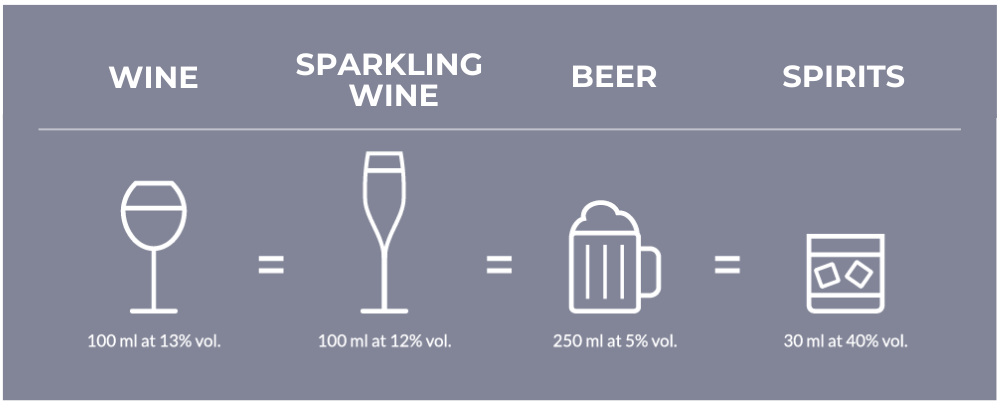
https://responsibledrinking.eu/what-is-a-standard-drink-of-alcohol/
[3335]
For a 70kg man the threshold for more serious
craniofacial effects in his child would be 108.01 to 162.47 g/day, so
this is between 11 and 16 standard European units.
Alcohol-related epigenetic effects do not stop
with the next generation, as explained in "Epigenetic mechanisms in
alcohol- and adversity-induced
developmental origins of neurobehavioral
functioning" by Boschen et al (2018):
Under "DNA methylation of neurodevelopmental
and plasticity-related genes" we learn:
"Genes related to neurodevelopment and HPA
axis regulation are commonly altered in both developmental stress and
alcohol models."
Under "Expression of epigenetic regulators":
"Another commonality between the consequences
of early-life stress and alcohol are the observed alterations in
levels of epigenetic regulators throughout the brain."
And under "DNA Methylation":
"Brain-derived neurotrophic factor (BDNF) is
another growth factor important for cell proliferation, dendritic
outgrowth, and synapse formation, particularly in the adult brain.
Numerous studies have demonstrated that development alcohol exposure
causes long-term changes to functional and anatomical measures linked
to BDNF signaling, including long-term potentiation (Puglia and
Valenzuela, 2010), adult neurogenesis (Boehme et al., 2011; GilMohapel
et al., 2010; Hamilton et al., 2011; Klintsova et al., 2007), and
dendritic morphology (Berman et al., 1996; Boschen et al., 2016;
Hamilton et al., 2015; Hamilton et al., 2010; Redila and Christie,
2006; Whitcher and Klintsova, 2008). Studies have demonstrated that
Bdnf gene expression is altered following developmental alcohol
exposure in a timing and region-specific manner (Caldwell et al.,
2008; Feng et al., 2005; Heaton et al., 2000; Heaton et al., 2003),
though the diverse models and methods of analysis used in these
studies makes it difficult to draw definitive conclusions. Epigenetic
modification of Bdnf has not been well studied in alcohol exposure
models, despite being a significant target of interest in prenatal
stress research. Bdnf exon I hypomethylation was reported 24 h
following PD49 alcohol exposure in the male rat hippocampus; this
reduction in methylation was correlated with increased exon I-driven
Bdnf gene expression (Boschen et al., 2015). However, by PD72,
methylation status had returned to control levels (Boschen et al.,
2016). Bdnf and other growth factors that could contribute to either
delayed embryonic growth or long-term deficits in neuroplasticity need
to be further investigated from an epigenetic perspective."
Under "Non-coding RNAs":
"Disruption of noncoding RNAs, such as miRNAs,
can cause a wide range of cellular or DNA damage, contributing to
long-term deficits (Figure 1). miRNAs affect the production of protein
products through translational repression or degradation of the mRNA.
In vivo and in vitro models of FASD have identified numerous miRNAs
that are impacted by developmental alcohol exposure, including miR-9,
miR-20a, miR-21, miR-30, miR-103, miR-151, miR-153, miR-335, and
miR-140-3p (Balaraman et al., 2014; Balaraman et al., 2012; Guo et
al., 2012; Ignacio et al., 2014; Pappalardo-Carter et al., 2013;
Pietrzykowski et al., 2008; Sathyan et al., 2007; Soares et al., 2012;
Tal et al., 2012; Wang et al., 2009). In a study that examined the
effects of prenatal stress on miRNA expression, dams were administered
daily restraint stress and forced swimming from days 1218 of gestation
(Zucchi et al., 2013). This stressor disrupted maternal behavior, as
reduced tail chasing behavior was exhibited by dams exposed to stress.
In the whole brains of their newborn male offspring, 336 miRNAs were
differentially expressed. Notably, some of the same miRNAs were
altered by prenatal stress as have been mentioned in the developmental
alcohol literature, including miR-9, miR-20a, miR-103, and miR-151."
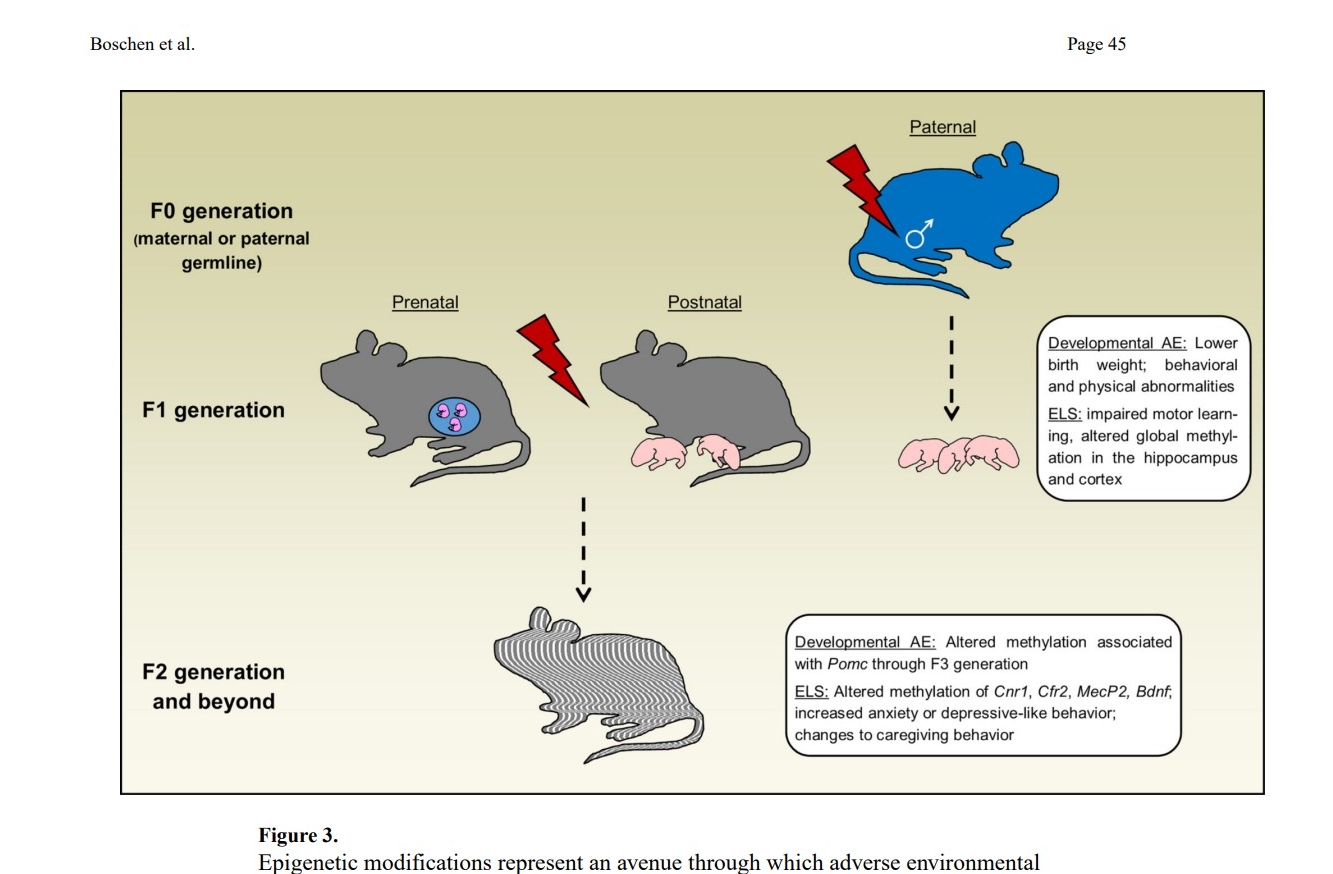
"Epigenetic modifications represent an avenue
through which adverse environmental conditions can affect generations
beyond the animals that were directly exposed via intergenerational
and transgenerational transmission. Epigenetic marks can be passed
through the paternal germline (F0) following preconception exposure to
stress or alcohol, resulting in physiological, behavioral, or altered
levels of global methylation in the offspring (F1). Exposure of a
fetus (via exposure of the F0 pregnant dam) or neonate (F1) to alcohol
or stress affects not only the directly exposed animal but also the
developing germline. Altered epigenetic marks can then be transmitted
to animals that were never exposed to the stressor or alcohol in the
F2 generation and beyond, resulting in changes to methylation
associated with multiple genes and epigenetic regulators and
ppersistent behavioral perturbations. AE: Alcohol exposure; ELS: Early
life stress."
https://europepmc.org/backend/ptpmcrender.fcgi?accid=PMC5856624&blobtype=pdf
[3337]
Portugalov and Akirav (2024) have the latest
on the FAAH blocking approach with "FAAH Inhibition Reverses
Depressive-like Behavior and Sex-Specific Neuroinflammatory
Alterations Induced by Early Life Stress":
"Early life stress (ELS) increases
predisposition to major depressive disorder (MDD), with
neuroinflammation playing a crucial role. This study investigated the
long-term effects of the fatty acid amide hydrolase (FAAH) inhibitor
URB597 on ELS-induced depressive-like behavior and messenger RNA
(mRNA) of pro-inflammatory cytokines in the medial prefrontal cortex
(mPFC) and CA1 regions. We also assessed whether these gene expression
alterations were present at the onset of URB597 treatment during late
adolescence. ELS induced a depressive-like phenotype in adult male and
female rats, which was reversed by URB597. In the mPFC, ELS
downregulated nuclear factor kappa B1 (nfκb1) in both sexes,
while URB597 normalized this expression exclusively in males. In
females, ELS downregulated interleukin (il) 6 and tumor necrosis
factor alpha (tnfα) but upregulated il1β and
corticotropin-releasing factor (crf); URB597 normalized il6,
il1β, and crf. In the CA1, ELS downregulated il1β and
tnfα in males and upregulated il1β expression in females,
which was reversed by URB597. Some of these effects began in late
adolescence, including mPFC-nfκb1 expression in both sexes,
mPFC-il6 and mPFC-il1β in females, CA1-il1β and
CA1-tnfα in males, and CA1-il1β in females. These findings
highlight URB597 as a therapeutic approach for reversing ELS-induced
depressive-like behavior by associating with changes in the gene
expression of neuroinflammatory cytokines, with notable sex
differences."
https://www.mdpi.com/2073-4409/13/22/1881 [3993]
The discrimination of the ZPPPD against
subjects of early life stress as overproducers of FAAH is further
demonstrated by Demaili et al (2023) in "Epigenetic (re)programming of
gene expression changes of CB1R and FAAH in the medial prefrontal
cortex in response to early life and adolescence stress exposure":
"Thus, the present study addressed the
hypotheses that ELS and adolescent stress differentially affect the
expression of regulatory elements of the endocannabinoid system,
cannabinoid receptor 1 (CB1R) and fatty acid amide hydrolase (FAAH) in
the medial prefrontal cortex (mPFC) of adult female rats. We also
tested the hypothesis that the proposed gene expression changes are
epigenetically modulated via altered DNA-methylation. The specific
aims were to investigate if (i) ELS and adolescent stress as single
stressors induce changes in CB1R and FAAH expression (ii) ELS exposure
influences the effect of adolescent stress on CB1R and FAAH
expression, and (iii) if the proposed gene expression changes are
paralleled by changes of DNA methylation. The following experimental
groups were investigated: (1) non-stressed controls (CON), (2) ELS
exposure (ELS), (3) adolescent stress exposure (forced swimming; FS),
(4) ELS + FS exposure. We found an up-regulation of CB1R expression in
both single-stressor groups and a reduction back to control levels in
the ELS + FS group. An up-regulation of FAAH expression was found only
in the FS group. The data indicate that ELS, i.e., stress during a
very immature stage of brain development, exerts a buffering
programming effect on gene expression changes induced by adolescent
stress. The detected gene expression changes were accompanied by
altered DNA methylation patterns in the promoter region of these
genes, specifically, a negative correlation of mean CB1R DNA
methylation with gene expression was found. Our results also indicate
that ELS induces a long-term (re)programming effect, characterized by
CpG-site specific changes within the promoter regions of the two genes
that influence gene expression changes in response to FS at
adolescence."
https://www.frontiersin.org/journals/cellular-neuroscience/articles/10.3389/fncel.2023.1129946/full
[3994]
Meanwhile, according to Astley et al (1992):
"The association between fetal marijuana
and/or alcohol exposure and facial features resembling fetal alcohol
syndrome was investigated in a sample of 80 children. Standardized
lateral and frontal facial photographs were taken of 40 children, 5 to
7 years of age, whose mothers reported frequent use of marijuana
during the first trimester of pregnancy and 40 children whose mothers
reported no use of marijuana during pregnancy. The marijuana-exposed
and unexposed children were group-matched on alcohol exposure prior to
and during pregnancy, sex, race, and age at the time of assessment.
The photographs were assessed clinically by a study staff
dysmorphologist and morphometrically by computerized landmark
analysis. Fetal alcohol syndrome-like facial features were not
associated with prenatal marijuana exposure in this study sample."
https://depts.washington.edu/fasdpn/pdfs/astley-1992.pdf [3336]
No rescheduling of alcohol or changes have
been made to the ZPPPD in the light of these findings about ugliness.
I am obliged to the 28 February 2024 BBC
article "Why alcohol is so dangerous for young adults' brains":
"In the past, neural development was thought
to stop in our early teens, but a swathe of recent research shows that
the adolescent brain undergoes a complex rewiring that does not end
until at least the age of 25.
"The most important changes include a decline
in 'grey matter' as the brain prunes away the synapses that allow one
cell to communicate with another. At the same time, white matter
long-distance connections known as axons covered with an insulating
fatty sheath tends to proliferate. 'They are like the brain's
super-highways,' says Lindsay Squeglia, a neuropsychologist at the
Medical University of South Carolina. The result is a more efficient
neural network that can process information more quickly.
"The limbic system, involved with pleasure and
reward, is the first to mature. 'These areas are fully adult-like
during adolescence,' Squeglia explains. The prefrontal cortex, which
is located behind the forehead, is slower to ripen. This region is
responsible for higher-order thinking which includes emotional
regulation, decision-making, and self-control.
"The relative imbalance of these two regions'
development can explain why adolescents and young adults tend to be
more risk-taking than adults. 'A lot of people describe the adolescent
brain as having a fully developed gas pedal without brakes,' says
Squeglia. And bathing our neurons in alcohol which is known to release
inhibition may only amplify this thrill chasing. For particularly
impetuous teenagers, alcohol can create a vicious cycle of bad
behaviour and delinquency. 'The more impulsive kids tend to drink
more, and then drinking causes more impulsivity,' says Squeglia.
"At high enough frequencies and volumes,
adolescent drinking could impair the brain's long-term development.
Longitudinal studies show that early drinking is associated with a
more rapid decline in grey matter, while the growth of the white
matter is stunted. 'Those super-highways aren't getting paved as much
in kids who start drinking,' says Squeglia.
"The consequences may not be immediately
evident in cognitive tests; in a young brain, the regions responsible
for problem solving can work a little bit harder to make up for the
deficits. It cannot keep this up forever, however. 'After multiple
years of drinking, we see less activation in the brain and poorer
performance on these tests,' says Squeglia.
"Early drinking can also take its toll on
mental health, and heightens the risk of alcohol abuse later in life.
This is particularly true for people who have a family history of
alcoholism the earlier they start, the greater their chances of
developing a drinking problem themselves. The genes associated with an
advanced risk of alcohol abuse seem to be most influential during this
critical period of brain development. 'And the longer that someone is
able to wait, the less likely these genes are going to come into
play,' says Squeglia."
https://www.bbc.com/future/article/20240228-how-alcohol-affects-teens-and-young-adults-brains
[4474]
But how many schizophrenics have a concrete
reason to suspect their genetic susceptibility?
It's not as if doctors in Slovenia are
offering genetic screening to see whether patients are likely to
benefit or otherwise from THC.
For as the authors say,
"The widespread use of cannabis calls for a
concerted effort into increased understanding of both the positive and
negative effects of the drug."
But it seems they do not agree with
themselves, for when it comes to Figure 3
https://www.nature.com/articles/s41398-018-0137-3 [1899]
In 2010 it emerged from a study of brain
volumes in schizophrenics and non-schizophrenics tagged for the common
functional polymorphism, Val108/158Met:
"Across patients and controls, each copy of
the COMT met allele was associated on average with a 2.6% increase in
right amygdala volume, a 3.8% increase in left amygdala volume and a
2.2% increase in right hippocampus volume. There were no effects of
COMT genotype on volumes of the whole brain and prefrontal regions.
"Thus, the COMT Val108/158Met polymorphism was
shown to influence medial temporal lobe volumes in a linear-additive
manner, mirroring its effect on dopamine catabolism."
https://www.sciencedirect.com/science/article/abs/pii/S1053811909013354
[213]
However a 2018 attempt to link COMT
variability to cannabis use in psychotic cases was "unconvincing".
https://www.ncbi.nlm.nih.gov/pmc/articles/PMC5812637/ [214]
The results of
Cobb Scott et al (2019) were fairly uneventful, even in a sample with
higher than usual levels of alcohol use and psychopathology:
"Frequent cannabis use during adolescence has
been associated with alterations in brain structure. However, studies
have featured relatively inconsistent results, predominantly from
small samples, and few studies have examined less frequent users to
shed light on potential brain structure differences across levels of
cannabis use. In this study, high-resolution T1-weighted MRIs were
obtained from 781 youth aged 1422 years who were studied as part of
the Philadelphia Neurodevelopmental Cohort. This sample included 147
cannabis users (109 occasional [≤12 times per week] and 38 frequent
[≥3 times per week] users) and 634 cannabis non-users. Several
structural neuroimaging measures were examined in whole brain
analyses, including gray and white matter volumes, cortical thickness,
and gray matter density. Established procedures for stringent quality
control were conducted, and two automated neuroimaging software
processing packages were used to ensure robustness of results. There
were no significant differences by cannabis group in global or
regional brain volumes, cortical thickness, or gray matter density,
and no significant group by age interactions were found. Follow-up
analyses indicated that values of structural neuroimaging measures by
cannabis group were similar across regions, and any differences among
groups were likely of a small magnitude. In sum, structural brain
metrics were largely similar among adolescent and young adult cannabis
users and non-users. Our data converge with prior large-scale studies
suggesting small or limited associations between cannabis use and
structural brain measures in youth. Detailed studies of vulnerability
to structural brain alterations and longitudinal studies examining
long-term risk are clearly indicated."
But noting that:
"Previous studies with small samples were likely underpowered to
detect small magnitude effects, which could partially explain
variability in the literature. Our results converge with data from
larger samples of cannabis-using youth, which have found more limited
brain structural differences associated with cannabis than smaller
studies. For example, Weiland and colleagues compared 50 adolescent
daily users of cannabis to 50 demographically matched non-users,
replicating methods from an earlier study, and found non-significant
differences in volume, surface-based morphometry, and shape.
Similarly, in a sample of 439 adolescents, Thayer and colleagues found
no significant associations of past month cannabis use with brain
volume or measures of diffusivity after covarying for alcohol use
disorder symptoms. Our results extend these studies by probing effects
across levels of cannabis use and examining measures of cortical
thickness and gray matter density."
https://www.nature.com/articles/s41386-019-0347-2 [5401]
In the worrying-sounding "Grey Matter Volume
Differences Associated with Extremely Low Levels of Cannabis Use in
Adolescence" from Orr et al (2019) it turns out that:
"Preclinical evidence has consistently
demonstrated a causal relationship between cannabis exposure and
changes to brain morphology (for review, see Panlilio and Justinova,
2018). The human evidence, however, has been variable reporting both
increases and decreases in brain volumes (Ashtari et al., 2011;
Cousijn et al., 2012; Gilman et al., 2014), no volume differences
(Jager et al., 2007; Weiland et al., 2015; Gillespie et al., 2018),
and modest effect sizes (Weiland et al., 2015). Factors including the
age of cannabis use initiation, comorbid substance use, and levels of
use are believed to contribute to variability in the human findings
(Curran et al., 2016)."
...
"One study has reported differences in
gray-matter density and shape of the amygdala and nucleus accumbens in
recreational cannabis users (Gilman et al., 2014), but subsequent
research has suggested that these findings may be associated with
alcohol (Weiland et al., 2015) and nicotine (Gillespie et al., 2018)
exposure in the cannabis users."
...
"The eCB system mediates maturation-related
neural reorganization (Fernndez-Ruiz et al., 2000), which may place
adolescents at heightened vulnerability to structural brain effects of
cannabis exposure as adolescence is a time of rapid neural maturation
(Rubino and Parolaro, 2008). Consistent with this suggestion, those
who commenced cannabis use in adolescence typically show greater
structural brain differences than those who initiated use in adulthood
(Battistella et al., 2014; Lubman et al., 2015). These findings may
also have been influenced by the effects of other substances, however,
as one study comparing adolescent daily cannabis users with controls
matched for alcohol and nicotine use found no differences in
subcortical gray-matter density or morphology (Weiland et al., 2015)."
...
"It is possible that cannabis, alcohol, and
nicotine have differential effects on brain morphometry; specifically,
recreational cannabis use has been associated with volume increases,
whereas alcohol has been associated with volume reductions. In the
current study, we matched the groups on alcohol and nicotine use and,
within the cannabis using group, neither alcohol nor nicotine use was
associated with individual differences in GMV, suggesting that the GMV
differences we report are associated with cannabis use."
https://www.jneurosci.org/content/39/10/1817 [3721]
Slovenia has not proposed banning alcohol on
the grounds of reduced brain volume. Of course it may be that
Slovenians have a religious belief in alcohol and reduced brain
volume. So they consider brain-expanding cannabis, even at extremely
low levels, to be heretical and a sin, considering their prior
inaccurate impression that cannabis was more, and not 114 times less [852],
harmful than alcohol, if we exclude prohibition effects and the sin.
The Court is invited to compare the constitutionality of exercising
these opposing beliefs.
Even one or two units of alcohol per day
reduce brain volume, isn't that true?
"...the associations between alcohol intake
and brain structure using multimodal imaging data from 36,678
generally healthy middle-aged and older adults from the UK Biobank,
controlling for numerous potential confounds. Consistent with prior
literature, we find negative associations between alcohol intake and
brain macrostructure and microstructure. Specifically, alcohol intake
is negatively associated with global brain volume measures, regional
gray matter volumes, and white matter microstructure. Here, we show
that the negative associations between alcohol intake and brain
macrostructure and microstructure are already apparent in individuals
consuming an average of only one to two daily alcohol units, and
become stronger as alcohol intake increases."
Reagan Wetherill, PhD, of the University of
Pennsylvania Perelman School of Medicine in Philadelphia and
co-authors report an increase from two alcohol units to three showed
changes equivalent to aging 3.5 years, and
"A recent meta-analysis of individuals with
AUD (n = 433) showed lower gray matter volume (GMV) in
the corticostriatal-limbic circuits, including regions of the
prefrontal cortex, insula, superior temporal gyrus, striatum,
thalamus, and hippocampus compared to healthy controls
(n = 498). Notably, lower GMV in striatal, frontal, and
thalamic regions was associated with AUD duration or lifetime alcohol
consumption. Although alcohol consumption can produce global and
regional tissue volume changes, frontal regions are particularly
associated with these effects. Further, research suggests that the
effects of alcohol consumption on brain volume interact with the
effects of aging."
https://www.nature.com/articles/s41467-022-28735-5 [1049]
On the other hand "Cannabis dose and age of
onset of cannabis use did not affect hippocampal volumes", according
to a 2017 study of 20 "heavy cannbis users" by Koenders et al with an
average 39 month follow-up.
https://pmc.ncbi.nlm.nih.gov/articles/PMC5544121/ [3724]
Any study of brain volume which disregards the
major confounder tobacco is seriously compromised. Daniju et al (2022)
found:
"Regular cannabis users who also smoked
tobacco cigarettes showed altered GMV patterns relative to controls.
However, a similar pattern of GMV differences was also seen between
regular tobacco users that did not use cannabis. Further research is
needed to disentangle the effects of cannabis and tobacco use on brain
structure."
In other words, they didn't get the
anti-cannabis result they were hoping for, but they managed not to
look at any cannabis users who did not use tobacco.
https://pmc.ncbi.nlm.nih.gov/articles/PMC9716493/ [3725]
When Snoop Dogg posted this photo comparison
with tragic drunk English footballer Paul Gascoigne...
...Gascoigne responded by challenging the
rapper to a 12-round boxing match. So this is not a scientific debate.
Another cause of brain shrinkage you won't
hear much about is antipsychotics.
In 2015 Vita et al reported:
"Longitudinal magnetic resonance imaging
studies comparing changes in the volume of cortical GM over time
between patients with schizophrenia and healthy control subjects
published between January 1, 1983, and March 31, 2014, were analyzed.
Hedges' g was calculated for each study and volume changes from
baseline to follow-up were analyzed. Meta-regression statistics were
applied to investigate the role of potential moderators of the effect
sizes.
"Results: Eighteen studies involving 1155
patients with schizophrenia and 911 healthy control subjects were
included. Over time, patients with schizophrenia showed a
significantly higher loss of total cortical GM volume. This was
related to cumulative antipsychotic intake during the interval between
scans in the whole study sample. Subgroup meta-analyses of studies on
patients treated with second-generation antipsychotics and
first-generation antipsychotics revealed a different and contrasting
moderating role of medication intake on cortical GM changes: more
progressive GM loss correlated with higher mean daily antipsychotic
intake in patients treated with at least one first-generation
antipsychotic and less progressive GM loss with higher mean daily
antipsychotic intake in patients treated only with second-generation
antipsychotics."
https://pubmed.ncbi.nlm.nih.gov/25802081/ [2161]
There are no laws against coffee are there?
You don't need a prescription to buy coffee?
There are no legal controls on how much coffee
you can drink, are there?
There are no roadside caffeine tests, are
there?
And yet too much coffee is bad for you, would
you agree?
According to the Independent March 3 2022:
"A father died after accidentally downing
caffeine powder as strong as 200 cups of coffee, an inquest heard.
"Personal trainer Thomas Mansfield, 29,
ordered a 100g packet of caffeine powder to make supplement drinks at
his family home.
"But he accidentally made a mixture containing
seven times the recommended dose before he "necked" it.
and
"A post mortem found the caffeine per litre of
blood in his system was the equivalent of up to 200 cups of coffee.
"The inquest heard that death could be caused
by significantly lower levels than the amount he consumed."
His medical cause of death was given as
caffeine toxicity.
https://www.independent.co.uk/news/uk/home-news/personal-trainer-dead-caffeine-drink-b2026650.html
[1056]
So with this limited human sample of 1 that
puts caffeine in the vicinity of nitrous oxide and at least five times
more dangerous than psilocybin, LSD and marijuana, referring to:
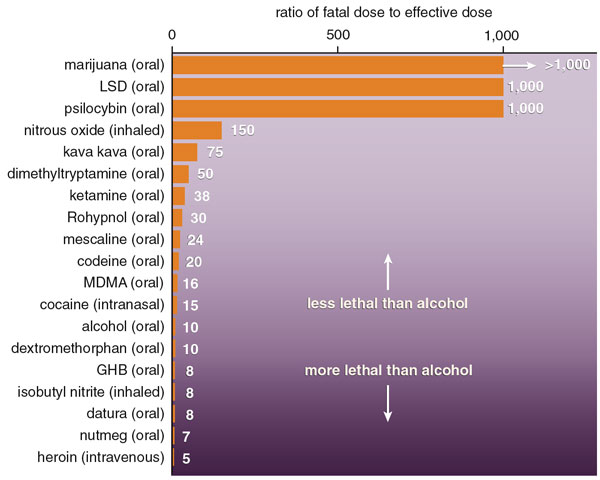
There were no calls for this product to be
banned. There were no murder or manslaughter charges to anyone who
supplied or assisted him?
Because we know that makes no sense, and would
only makes things worse.
But this case did not concern actual coffee,
and we can barely imagine consuming 200 cups of coffee.
What about chronic use?
There were inverse linear associations between
habitual coffee consumption and total brain (fully adjusted β per
cup −1.42, 95% CI −1.89, −0.94), grey matter (β
−0.91, 95% CI −1.20, −0.62), white matter (β
−0.51, 95% CI −0.83, −0.19) and hippocampal volumes
(β −0.01, 95% CI −0.02, −0.003), but no
evidence to support an association with white matter hyperintensity
(WMH) volume (β −0.01, 95% CI −0.07, 0.05). The
association between coffee consumption and dementia was non-linear
(Pnon-linearity = 0.0001), with evidence for higher odds
for non-coffee and decaffeinated coffee drinkers and those drinking
>6 cups/day, compared to light coffee drinkers. After full
covariate adjustment, consumption of >6 cups/day was associated
with 53% higher odds of dementia compared to consumption of 12
cups/day (fully adjusted OR 1.53, 95% CI 1.28, 1.83), with less
evidence for an association with stroke (OR 1.17, 95% CI 1.00, 1.37,
p = 0.055).
https://www.tandfonline.com/doi/abs/10.1080/1028415X.2021.1945858
[215]
[1-β = probability of a "true positive",
i.e., correctly rejecting the null hypothesis]
Do you think a campaign to ban coffee in
Slovenia on health grounds would have much public support or political
traction?
You would probably agree that coffee brought
from the Near East was already established in eastern Europe by the
17th century?
Let's go back as far as we can in the drug war
over coffee to see what parallels we can find.
"The Greeks claim that a Greek opened the
first coffeehouse in Constantinople in 1475 at a place called Kiva
Han, possibly in today's Tahtakale district, although Turkish sources
suggest coffee was only brought to the city in 1517 after Sultan Selim
I (r. 1512-1520) conquered Egypt. Yet another story relates how the
Ottoman governor of Yemen, zdemir Paşa, had learned to love coffee
while there and brought coffee beans with him when he was called to
Constantinople where he introduced coffee drinking to Kanuni Sultan
Sleyman (r. 1520-1566)."
Prohibition had little effect: the only
trouble seemed to come from religious people:
"A dispute broke out in Constantinople, as it
had earlier in Cairo, about drinking coffee. Purist Muslims wanted it
banned because of its stimulating nature and because it was an
innovation. The chief religious authority among the Ottomans during
the reign of Sleyman and his successor, Şeyhlislam Ebussuud issued a
fatwa, or decree, against drinking coffee. The year was 1543,
according to Refik Ahmet Sevengil, and ships had arrived bearing cargo
of coffee beans. As a result of the fatwa, the bags of beans were
dumped in the sea. Over the years, however, the prohibition was mostly
ignored and the first coffeehouse opened in Istanbul in 1555,
according to Ottoman sources. And when Bostanzade Mehmed Efendi became
şeyhlislam toward the end of the 16th century, he issued another
fatwa, in poetic form no less, indicating that suspicions about coffee
were groundless."
https://www.hurriyetdailynews.com/coffee-and-coffeehouses-among-the-ottomans-76123
[892]
According to "Coffee and the Ottoman Social
Sphere" by Marita Ervin (2014):
"The most common and perhaps most accurate
explanation accepted by historians today is that coffee originated
from the Sufi orders of Yemen where caffeine was essential to
religious practice. Sufis were an untraditional sect of Islam whose
methods were seen as erratic and profane to both the Sunnis and
Shiites. As opposed to practicing the structured prayer indicative of
traditional Islamic sects, the Sufis consumed narcotics and danced
fitfully to demonstrate their devotion to Allah. Such a practice
required the consumption of a drug that could sustain them for many
days. The Sufis lived on the fringes of Ottoman society and coffee's
connection to their orders stirred speculation. Ktib Celebi, the
famous Ottoman historian, described coffee's first users as 'Certain
sheiks, who lived with their dervishes in the mountains of Yemen, used
to crush and eat their berries, which they called qalb wabūn, [] a
cold dry food, suited to the ascetic life and sedative of lust.'
Celebi noted coffee's connection with social outcasts and the need to
repress the desire to sin. Although Ottoman coffee struggled with its
Sufi association, the Sufi concept of developing a bond over a cup of
coffee remained an inherent quality of the beverage. Two men
recognized the commercial potential of coffee's cohesive abilities and
harnessed it into the development of the coffeehouse. After the coffee
plant was extracted from the Sufi lodges and brought to Istanbul by
traders, two Syrians merchants named Hakam and Shams opened the first
coffeehouse in the Ottoman capital in 1555."
For a time things were a roaring success:
"Swedish traveler Mouradgea D'Ohsson described
over six-hundred coffeehouses existing in Istanbul in the 1570s, only
fifteen years after coffee first arrived in Istanbul."
"Englishman George Sandys explained that the
Turks enjoyed their coffee 'as hot as they can
suffer it: black as soote, and tasting not
much unlike it.'"
"Within the coffeehouse patrons were immersed
in a safe atmosphere that allowed them to engage in a means of
creative self expression through poetry. When poetry was not being
recited urban storytellers recounted traditional Ottoman tales and
sophisticated stories that catered to an academic audience. Customers
were able to play games such as chess and backgammon that involved
strategy without the haram gabling component. This wide range of
stimulating coffeehouse activities were not confined to a specific
class. Ottoman historian Ibramhimi Pechevi reported that there was no
typical coffeehouse customer outside of the fact that they were only
Muslims and predominantly male. He explained:
"'It reached such a point that all kinds of
unemployed officers, judges and professors all seeking preferment, and
corner-sitters with nothing to do proclaimed that there was no place
like [the coffeehouse] for pleasure and relaxation, and filled it
until there was no room to sit or stand. It became so famous that,
besides the holders of high offices, even great men could not refrain
from coming there.'"
https://soundideas.pugetsound.edu/cgi/viewcontent.cgi?article=1007&context=history_theses
[891]
The Coffea arabica plant is native to the
Caffa region, in Abyssinia, from which it arrived in Yemen and
subsequently to Mecca and Medina, where it took the name of Qahva.
In the Middle Ages, almost nothing was known
about coffee in the West; this aroma made its appearance in Europe in
the sixteenth century, and its widespread diffusion dates back to the
defeat of the Turkish troops, in siege of Vienna in 1683, followed in
1700 by its introduction into South America.
People liked it.
But you'll know that some reacted with
suspicion and fear, calling the black beverage "amara invenzione di
Satana"?
You'll know that they kicked up a religious
debate about the sinfulness of coffee users or, as we would
characterise it today, "coffee use disorder" and "coffee trafficking"
were "crimes against society".
Coffee, we could point out, can make certain
susceptible groups anxious or jittery?
We could say it increases heart rate?
And it is diuretic?
We could warn the public that caffeine blocks
adenosine receptors?
We could warn the public that caffeine
interferes with sleep cycles?
Could we reasonably say coffee is a drug which
creates a tolerance?
Would we be lying if we said there are some
withdrawal symptoms?
And yet we can find both responsible and
irresponsible users?
And do we say coffee is like heroin.
So coffee, which we have decided is not a drug
in legal parlance, is a two-edged sword according to these drug
criteria. If we care about addiction, health effects and moral
character coffee is both good and bad. It is hard to draw a line.
And we assume we have a situation where the
law reflects what we know about such dangers.
Perhaps you know how this legal situation came
to a head?
Do you happen to now which Pope was asked to
decide on this question?
Clement VIII.
And do you know the outcome?
He liked it, so it was alright for everyone to
like it. Besides which his friends was a-gonna make a lorra lorra
money!
No fan of clemency, Clement executed and
plundered from the get-go. Menocchio, a miller who had found time to
come up with the idea that God was not eternal but had Himself once
been created out of chaos, and of panpsychist Giordano Bruno, a
wandering intellectual (and whose cosmopolitan views had taken him to
London and Paris at a dangerous time for nonconformists.
In England Bruno was liked by Henry VIII, may
have spied on the Catholic conspirators for Walsingham, and was mocked
by the Archbishop of Canterbury-to-be George Abbot for supporting "the
opinion of Copernicus that the earth did go round, and the heavens did
stand still; whereas in truth it was his own head which rather did run
round, and his brains did not stand still".
Bruno was imprisoned in Rome for a trial
lasting seven years as the charges were extended to include:
"holding opinions contrary to the Catholic
faith and speaking against it and its ministers;
holding opinions contrary to the Catholic
faith about the Trinity, divinity of Christ, and Incarnation;
holding opinions contrary to the Catholic
faith pertaining to Jesus as the Christ;
holding opinions contrary to the Catholic
faith regarding the virginity of Mary, mother of Jesus;
holding opinions contrary to the Catholic
faith about both Transubstantiation and the Mass;
claiming the existence of a plurality of
worlds and their eternity;
believing in metempsychosis and in the
transmigration of the human soul into brutes;
dealing in magics and divination" (Bruno was
an expert in mnemonics and did memory tricks).
Pope Clement took part in the trial
personally. Bruno's parting shot to the judges:
"Maiori forsan cum timore sententiam in me
fertis quam ego accipiam ("Perhaps you pronounce this sentence against
me with greater fear than I receive it").
"He was turned over to the secular
authorities. On 17 February 1600, in the Campo de' Fiori (a central
Roman market square), with his 'tongue imprisoned because of his
wicked words', he was hung upside down naked before finally being
burned at the stake."
You might think that in an atmosphere like
this coffee, from the Muslim Arab world, would stand little chance.
There may even be people in Ptuj today who don't drink coffee because
it is too foreign and Islamic.
"When coffee first reached Rome, Christian
priests believed that Satan had invented coffee as a substitute for
wine which Muslims were not allowed to drink. Since wine was used in
Christian practices such as Holy Communion, priests thought that
coffee must then be from the Anti-Christ. Faced with strong beliefs
that coffee was the drink of Satan, Pope Clement VIII asked to try a
cup before making a decision. When he did, he blessed the drink as a
Christian beverage, resulting in massive imports of coffee to Italy
and the Western world."
https://web.archive.org/web/20100601194012/http://www.professorshouse.com/food-beverage/beverages/coffee-facts-statistics.aspx
[882]
What an excellent idea. We should get (head of
UNODC) Ghada Fathi Waly to smoke some weed, maybe on a different day
take a trip, so we can all receive her seal of approval and relax.
And yet over in Constantinople, forty years
after Bruno's execution in 1600, with the accession of Ibrahim I the
Ottoman attitudes to coffee were softened slightly, but you were still
at risk of execution if caught drinking coffee. His Duterte-like
predecessor Marud IV would stalk the lowest taverns with a hundred
pound broadsword and decapitate offenders on the spot, besides using
random people for target practice with his bow and arrow. Ibrahim was
more of a bag in the river man, with 280 concubines drowned, besides
the drug users. Eventually he made such a mess of things the regime
was in trouble, and even his own mother approved his execution, the
Ottomans' second regicide.
https://en.wikipedia.org/wiki/Ibrahim_of_the_Ottoman_Empire#Deposition_and_execution
[883]
"According to one story, an Ottoman Grand
Vizier [believed to be Kprl, 892] secretly visited a coffeehouse in
Istanbul.
"He observed that the people drinking alcohol
would just get drunk and sing and be jolly, whereas the people
drinking coffee remained sober and plotted against the government,"
says [author of The Devil's Cup: Coffee, the Driving Force in History,
Stewart] Allen."
https://www.npr.org/sections/thesalt/2012/01/10/144988133/drink-coffee-off-with-your-head
[884]
According to the French orientalist Antoine
Galland,
"to his great dismay, 'he heard grave people
discoursing seriously on the affairs of the empire, blaming the
ministry, and deciding matters of the utmost importance. He likewise
went into the taverns, where he saw people singing, or talking only of
their amours or exploits in battle, being for the most part soldiers,
whom he did not think it convenient to deprive of this amusement.''
But he had the coffeehouses closed for a time.'" [892]
All of which brings us to the germane question
in this trial, which is whether there is any difference between the
sixteenth and twenty-first century legal doctrine and procedure on the
question of principle whether the formulation of philosophical or
religious or political opinions supposedly contrary to orthodoxy
provides sufficient basis for the prosecution, trial, sentencing or
execution of a thinker.
It's not the what, but the why. Over and over
we see the same pattern repeated: an establishment looking for
enemies, a novel drug culture with anti-establishment ideas, a
prohibition widely ignored, jealous rivals e.g. mosques where "imams
and expounders of the law were left to keep company with their beards"
[892],
a disproportionate crackdown with opportunities for plunder, and the
risk of potentially fatal consequences from the authorities.
For would the
public health have been improved if Pope Clement had hated coffee, or
refused to experience it or listen to its supporters? He did not know
what he did not know. The situation for coffee users ever since would
be analogous to the situation of the Defendant, while a certain
proportion of the population would be deprived of legal access to
life-extending goods, as described in "The impact of coffee subtypes on
incident cardiovascular disease, arrhythmias, and mortality:
long-term outcomes from the UK Biobank" by Chieng et al (2022):
"Coffee subtypes
were defined as decaffeinated, ground, and instant, then divided into
0, <1, 1, 23, 45, and >5 cups/day, and compared with
non-drinkers. Cardiovascular disease included coronary heart disease,
cardiac failure, and ischaemic stroke. Cox regression modelling with
hazard ratios (HRs) assessed associations with incident arrhythmia,
CVD, and mortality. Outcomes were determined through ICD codes and
death records. A total of 449 563 participants (median 58 years, 55.3%
females) were followed over 12.5 0.7 years. Ground and instant coffee
consumption was associated with a significant reduction in arrhythmia
at 15 cups/day but not for decaffeinated coffee. The lowest risk was
45 cups/day for ground coffee [HR 0.83, confidence interval (CI)
0.760.91, P < 0.0001] and 23 cups/day for instant coffee (HR 0.88,
CI 0.850.92, P < 0.0001). All coffee subtypes were associated with
a reduction in incident CVD (the lowest risk was 23 cups/day for
decaffeinated, P = 0.0093; ground, P < 0.0001; and instant coffee,
P < 0.0001) vs. non-drinkers. All-cause mortality was significantly
reduced for all coffee subtypes, with the greatest risk reduction seen
with 23 cups/day for decaffeinated (HR 0.86, CI 0.810.91, P <
0.0001); ground (HR 0.73, CI 0.690.78, P < 0.0001); and instant
coffee (HR 0.89, CI 0.860.93, P < 0.0001).
"Conclusion
Decaffeinated, ground, and instant coffee, particularly at
23 cups/day, were associated with significant reductions in incident
CVD and mortality. Ground and instant but not decaffeinated coffee was
associated with reduced arrhythmia."
https://academic.oup.com/eurjpc/article/29/17/2240/6704995?login=false
[5043]
Drug interdiction
is one method by which rule by strength in a chaotic society comes to
be legally somatized. But even incomplete, the cure for a largely
imaginary disease is more immoral than the morally neutral problem,
hellishly portrayed by supporters of prohibition.
The source of the word "addiction" comes from
the Latin addictus: in Roman society you could be assigned to someone
as a slave if you could not pay a debt. America's jails have sent
marijuana prisoners by the thousand to the chicken factory. What
morality is this?
Being black and disproportionately arrested
already, the American prisoner is no less a slave than his Roman
forbear, and this poultry slavery is the successor to cotton slavery:
"Cotton production dominated the [Georgia]
region up until the postwar period. During this time, poultry
production remained small scale, localized, and was considered
"women's work," a common practice among white and Black households.
Yet, in the crisis of the Great Depression, white landowning farmers
and merchants in Northeast Georgia took over the industry and its
profits. This takeover was structured along the preexisting crop lien
system used in the overproduction of cotton that previously dominated
the region. Racially discriminatory state interventions under the
Agricultural Adjustment Act worked together with an agricultural
credit system and the consolidation of white-only farmer cooperatives
to create structural barriers to commercial poultry production for
Black and poor white sharecroppers and tenant farmers. These programs
subsidized cotton farmers to idle land and displace farm labor. In
some cases, this quite literally meant replacing the tenant house with
the chicken house.
"Cotton capital, built on the labor of
enslaved people in the South, was mobilized directly and indirectly
into the growing poultry industry, with cotton farmer cooperatives
collectively shifting to poultry production. After this initial
takeoff, the Second World War offered up a second major boost in 1944
when the War Food Administration reserved all the chicken produced
from seven counties in north Georgia. This guaranteed capital allowed
new forms of vertical integration, led by poultry industry innovators
John W. Tyson, Jesse Jewell, and D. W. Brooks. This model of
ownership, reliant on bigger farms and highly industrialized
agriculture, restructured the rural South for the creation of cheap
food. Cotton's transformation, coupled with poultry's takeoff, enabled
the 'selling of the South' primed for low-wage, antilabor industrial
growth. The poultry industry thrived off the movement of farmworkers
into processing plants. Organized abandonment produced the poultry
capital of the world through racialized forms of dispossession and
displacement, exclusionary federal loans, purchasing guarantees, and
private industry integration at home, bolstered through war
imperialism abroad."
https://monthlyreview.org/2020/07/01/poultry-and-prisons/ [886]
Agro-slavery had continued after the Civil War
in America:
"While the 13th Amendment abolished slavery
and involuntary servitude, it carved out a loophole that allowed for
the exploitation of incarcerated people, who were then and now,
disproportionately Black.
"The amendment abolished slavery and
involuntary, 'except as punishment for crime whereof the party shall
have been duly convicted.' Prisoners men, women, and hundreds of
children as young as 6 or 7 were then leased to private farmers and
business owners who'd previously depended on cheap labor supplied by
slaves."
"The 13th Amendment continues to permit the
enslavement of prisoners, who are still required to work for little or
no pay in various public and private industries. In 2010, a federal
court held that 'prisoners have no enforceable right to be paid for
their work under the Constitution.' Yet, across the country, prison
labor remains essential to running prisons and services beyond prison
walls. They cook and clean, work in fields, manufacturing warehouses,
and call centers, fight wildfires, do commercial laundry, make masks
and hand sanitizer, sometimes for as little as two cents an hour if
anything often under threat of punishment."
https://innocenceproject.org/parchman-farm-prison-mississippi-history/ [889]
In these historical encounters between
hardline rulers and the bete noir substances of their time, we
perceive the successful leaders psychotic, and/or needed to be
perceived as psychotic, to instil fear in the greatest number for
reasons which make no sense today, and probably didn't then.
Unlike their papal counterparts, Sultans
Mehmet III, Marud IV and Ibrahim I certainly didn't believe coffee was
Satan's drink.
Clement, whose influence on coffee is debated,
was typically motivated by greed and profit. But heresy, not drug use,
was the expedient and well-understood target for the prohibition of
the era. With no antipopes to deal with and a big tourism jubilee to
do, coffee got the official western European theological thumbs up.
And the rest is history.
Marijuana convictions, fuelled by the
propaganda of a xenophobic and war-drum-beating media, supply an
economical workforce to the poultry industry.
Is this a credible problem or an appropriate
approach to its solution?
Like Nixon according to Erlichman, it wasn't
reallly about drugs at all.
"In Murad's Istanbul, religious leaders
preached on street corners that coffee would inspire indecent
behavior, paralleling the ZPPPD's blanket appeal to "appropriateness".
As the bean moved west into Europe, physicians rallied against it,
claiming that coffee would 'dry up the cerebrospinal fluid' and cause
paralysis."
Thus in England in 1674, The Womens [sic]
Petition Against Coffee spoke of their horror:
"... the Excessive use of that Newfangled,
Abominable, Heathenish Liquor called COFFEE, which Riffling Nature of
her Choicest Treasures, and Drying up the Radical Moisture, has so
Eunucht our Husbands that they are become as unfruitful as those
Desarts whence that unhappy Berry is said to be brought."
This has been debunked as recently as 2018. In
21,403 men aged 40-75:
"No significant differences were identified
for patients with incident ED after comparing highest (≥4 cups/day)
with lowest (0 cups/day) categories of total (hazard ratio (HR) =
1.00, 95% confidence interval (CI): 0.90, 1.11) and regular coffee
intakes (HR = 1.00, 95% CI: 0.89, 1.13)."
https://pubmed.ncbi.nlm.nih.gov/29020139/ [887]
But the real concern in the reign of Charles
II was not physiological, but political. And so it did not sound much
like impotence was the problem when a year later, in 1675, a royal
edict stated that coffeehouses "have produced very evil and dangerous
effects," and were also a "disturbance of the peace and quiet realm."
"King Charles II issued an order to shut down
all coffeehouses after he traced some clever but seditious poetry to
them. The backlash was throne-shaking. In just 11 days, Charles
reversed his ruling."
"'I think maybe he recalled that they had
beheaded his father,' [author of Uncommon Grounds: The History of
Coffee and How It Transformed Our World, Mark] Pendergrast says. "He
didn't want to stir up too much trouble."
England's newly-restored monarch faced a
balancing act:
"On the one hand, by 1685, the duties
collected on the goods sold by coffee houses amounted to four percent
of all of England's neat excise produce, proving incredibly profitable
to the crown. One the other hand, however, Charles' throne still
remained on slippery grounds, and the threat that the coffeehouses
posed was impossible to ignore. Charles was very much aware that
dissenting groups such as Thomas Harrington's republican Rota Club was
meeting a Mile' Coffeehouse in London. There was also a belief among
the elite of London that dissenters were just plain associated with
coffeehouse culture in general, which made them want to squash the
threat to the Restoration. Coffeehouses were thus sometimes
suppressed, and duties on the goods they sold were increased."
However:
"Charles II failure to disrput the coffeehouse
culture of free converse and ideas was an indication of England's
ability to progress out of the shadow of its despotic monarchs and
claim civil liberties for the common person."

Here's a reproduction of a letterbox used at
"Button's Coffee House: Located on Russell
Street in Covent Garden. Also known as The Lion's Head Letter Box
because patrons could drop of pieces of their writing there to be
published in the local newspaper The Guardian."
https://sites.udel.edu/britlitwiki/the-coffeehouse-culture/
[885]
Well we all know how the story ended. Mormons
don't drink coffee. Everyone else can buy coffee, at any age, in any
quantity, and the Guardian still causes trouble occasionally.
Do you think if cannabis had arrived in
Slovenia before other now-legal drugs, the situation might now be
reversed?
Which foods and medicines arrive where first
is a matter of a mixture of climatic, evolutionary, historical and
geographical circumstances, would you agree?
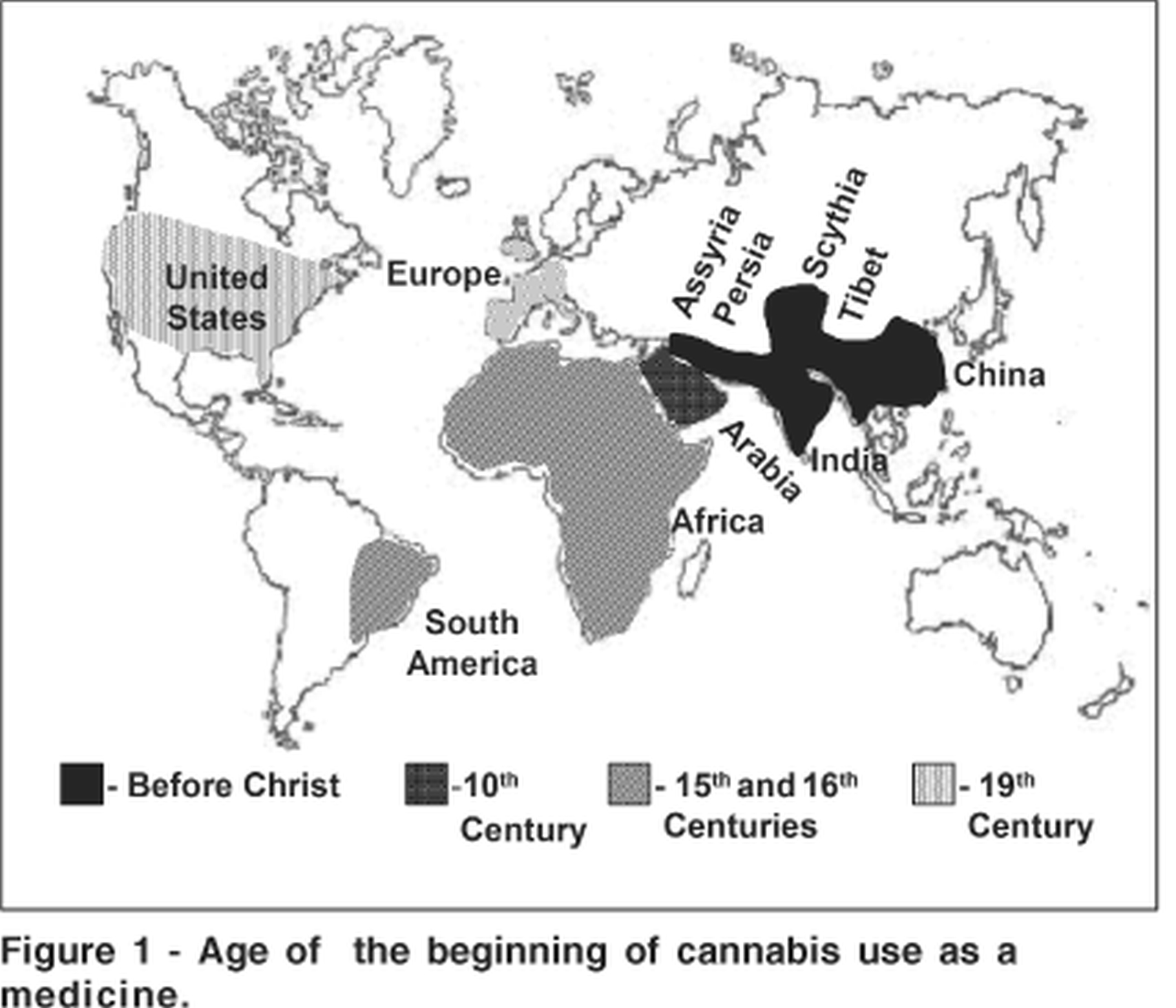
Let's just cannabis had arrived before coffee
or alcohol. Would the authorities today be saying, well, just because
we made this mistake legalising cannabis, it was a very long time ago,
and we all use cannabis now and banning it would be too unpopular?
In this scenario where cannabis came first,
wouldn't the authorities conclude that allowing the newcomers coffee
or alcohol would only be adding to our morbidity, and these should
remain illegal and prosecution used as a source of income for the
judiciary and government?
If you knew back then that 40 cups of coffee
would stand a 50% chance of killing you, that would finish
legalisation of coffee completely?
Gang wars might ensue. In 1777, Frederick the
Great of Prussia issued a manifesto claiming beer's superiority over
coffee. He argued that coffee interfered with the country's beer
consumption, and royally urged Prussians to begin the day properly.
"His Majesty was brought up on beer," he proclamation read. Sniffer
troops were deployed across Prussia.
"The Kingdom of Yugoslavia ratified the
International Opium Convention on 4 September 1929. The first law to
sanction drug abuse was the Criminal Code of the Kingdom of Serbs,
Croats and Slovenes passed on 27 January 1929 and which entered into
force on 1 January 1930."
However Wikipedia also advises that King
Alexander I renamed the Kingdom of Serbs, Croats and Slovenes to the
Kingdom of Yugoslavia on 6 January 1929.
So cannabis was first swept into this phoney
"narcotics" grouping 11411 days before the UN Single Convention, and
you could get '"a prison sentence of up to 6 months for "serving"
narcotic drugs in the section "Crimes against Public Health"'
https://en.wikipedia.org/wiki/Cannabis_in_Kosovo [216]
What the law was in the intervening years
between 1 January 1930 and 1 January 2000 is somewhat of a mystery to
this Defendant. However it is surely undisputed that continuity
existed in some form up to and after the SCND.

Some of the effects of psychedelics are a kind
of opposite to ADHD, as they enhance traits such as mindfulness and
empathy. Therefore psychedelics like LSD tend to reduce crime because
they increase awareness of the victim, where there is one. In support
of these assertions are examinations of LSD effects in ADHD
individuals.
Haijen et al at the Department of
Neuropsychology and Psychopharmacology, Faculty of Psychology and
Neuroscience, Maastricht University, studied "Trait mindfulness and
personality characteristics in a microdosing ADHD sample: a
naturalistic prospective survey study" (2023):
"Background: Microdosing (MD), repeatedly
taking psychedelics in small, non-hallucinogenic amounts, has been
practiced by individuals to relieve attention deficit hyperactivity
disorder (ADHD) symptoms. Generally, adults diagnosed with ADHD have
lower levels of mindfulness and differ in personality structure from
non-ADHD adults. How MD affects mindfulness and personality in adults
with ADHD remains unexplored.
"Aim: This study aimed to investigate the
effects of 4 weeks of MD on mindfulness and personality traits
in adults diagnosed with ADHD and those experiencing severe ADHD
symptoms. It was expected that mindfulness and the personality traits
conscientiousness, extraversion, agreeableness, and openness would
increase and neuroticism would decrease after 4 weeks of MD
compared to baseline. It was explored if using conventional ADHD
medication alongside MD and/or having comorbidities influenced
MD-induced effects.
"Methods: An online prospective naturalistic
design was used to measure participants before MD initiation and 2 and
4 weeks later. Validated self-report measures were used
assessing mindfulness (15-item Five Facet Mindfulness Questionnaire)
and personality traits (10-item version of the Big Five Inventory) at
three time points.
"Results: The sample included
n = 233, n = 66, and n = 44
participants at the three time points, respectively. Trait
mindfulness, specifically description and non-judging of inner
experience, was increased, and neuroticism was decreased after
4 weeks of MD compared to baseline. The remaining personality
traits remained unchanged. Using conventional medication and/or having
comorbid diagnoses did not change the MD-induced effects on
mindfulness and personality traits after 4 weeks.
"Conclusion: MD induced changes in otherwise
stable traits. Future placebo-controlled studies are warranted to
confirm whether these changes occur in a controlled setting."
They explain:
"Mindfulness can broadly be divided into two
dimensions: self-regulation of attention and acceptance. First,
self-regulation of attention is characterized by attending, observing,
and becoming aware of ones thoughts, feelings, and sensations without
getting caught in ruminative thought streams. Mindfulness facets that
belong to this domain include observation, description, and acting
with awareness. Second, the acceptance domain involves taking an open,
and accepting stance toward ones observed experience, thereby
inhibiting emotional impulsive responses to whatever is observed.
Mindfulness facets that belong to this domain include non-judging of
inner experience and non-reactivity to inner experience. Generally,
individuals diagnosed with ADHD scored on average lower on trait
mindfulness compared to individuals without an ADHD diagnosis.
Interestingly, enhanced levels of mindfulness have been reported after
MD and mindfulness scores were higher in current and former
microdosers compared to MD-nave controls. Though one prospective
(survey) study investigating adults (excluding individuals with mood,
anxiety, substance use, psychotic or dissociative disorders) did not
find a change in mindfulness scores after MD, and another prospective
study investigating a general population sample could not attribute
changes to MD solely. However, the effects of MD on mindfulness in
individuals diagnosed with ADHD, or individuals experiencing severe
ADHD symptoms, have not been investigated yet."
A bit more about the parameters:
"Mindfulness was strongly and positively
related to conscientiousness (i.e., being well-organized, responsible,
and efficient) and negatively related to neuroticism (i.e., negative
affectivity and emotionally unstable). While the relationships between
mindfulness and conscientiousness and neuroticism have been a
consistent finding, the relationships between mindfulness and the
other personality traits agreeableness (i.e., compromising with, and
trusting others), extraversion (i.e., positive emotionality and
socially engaged), and openness (i.e., curious and willing to explore
new experiences) were overall positive, yet less strong. Individuals
diagnosed with ADHD score generally lower on conscientiousness and
higher on neuroticism compared to controls. Though the associations
between ADHD and extraversion and agreeableness are less strong, both
traits tend to be lower in ADHD. Openness is generally unrelated to
ADHD. Interestingly, openmindesness (i.e., openness) was higher and
negative emotionality (i.e., neuroticism) was lower in current and
former microdosers compared to MD-nave controls. Also, a qualitative
interview study reported that participants experienced increases in
openness and extraversion following MD, although no explicit mention
of other personality traits was made."
https://www.frontiersin.org/articles/10.3389/fpsyt.2023.1233585/full
[4249]
However inconclusive researchers would like
their results to be, they do not support a hypothesis that
microdosing, or normal doses, of classical psychedelics, reduce
conscientiousness towards, or empathy with, others.
Since these prosocial traits are evidently
lacking in criminal behaviour, the only criminality associated with
psychedelics is the criminality of their criminalization. In short,
the ZPPPD is a pro-crime law!
Anyway, the authorities cannot be as bothered
about crime as they claim. Although Spencer (1963) declared in the
British Journal of Psychiatry without further explanation his rather
confused opinion that sensory hyperacuity was of "no therapeutic
value" he wrote that LSD was able
"...to bring into consciousness repressed
traumatic experiences and relationships suffered by the patient during
childhood, such as those of parental rejection and hostility, sexual
assaults, the sense of loneliness and impending doom engendered by
inhalant anaesthetics."
The mysterious paradox of catharsis
unconnected with consciousness deepened as
"LSD appeared to be unique in the ease with
which under its influence these deeply repressed memories could be
recovered, and analysts using the drug in relatively small doses found
that it would produce in one or two sessions unconscious material
which would normally only be recovered after some months of analysis."
https://scispace.com/papers/permissive-group-therapy-with-lysergic-acid-diethylamide-39q8clxg7v
[5642]
They meant well, but the explanation may
simply be that the "therapists" weren't tripping themselves, with the
failure to communicate being the reason why they were still puzzling
over why higher doses "were also the only doses where a statistically
significant reduction in symptoms after four weeks was found" [5559,
5560]
73 years later.
This particular way of reducing crime soon
became a crime. Possibly psychologists were worried they wouldn't have
enough to do, as the effects on Slovenia's national religion were
devastating. Hendricks et al (2014) were able to find processes by
which "Hallucinogen use predicts reduced recidivism among
substance-involved offenders under community corrections supervision":
"In this longitudinal study, we examined the
relationship between naturalistic hallucinogen use and recidivism
among individuals under community corrections supervision with a
history of substance involvement (n=25,622). We found that
hallucinogen use predicted a reduced likelihood of supervision failure
(e.g. noncompliance with legal requirements including alcohol and
other drug use) while controlling for an array of potential
confounding factors (odds ratio (OR)=0.60 (0.46, 0.79)). Our results
suggest that hallucinogens may promote alcohol and other drug
abstinence and prosocial behavior in a population with high rates of
recidivism."
https://www.ovid.com/journals/jpsyc/abstract/10.1177/0269881113513851~hallucinogen-use-predicts-reduced-recidivism-among?redirectionsource=fulltextview
[5643]
Worse yet, the patients were threatening to
gang together and dispense with the pointless psychotherapists
altogether. According to Trope et al (2019)
"...participants from recent
psychedelic-assisted individual psychotherapy trials have repeatedly
requested to meet other participants (Bossis 2015; Bradberry et al.
2017) and have attested to the importance of these connections for
corroborating often intense, difficult-to-describe, psychedelic
experiences and reinforcing their beneficial effects (Bradberry et al.
2017). This echoes the clinical impression of early researchers that
group involvement, whether in mutual aid groups like Alcoholics
Anonymous or formal group therapy, could help solidify therapeutic
gains by extending the intrapsychic experiences of high-dose
psychedelic sessions into the interpersonal relationships of the group
setting (Osmond et al. 1967)."
Numerous pre-prohibition studies are cited,
for example one by Sven E Jensen in a Saskatchewan mental hospital
based around Alcoholics Anonymous in 1962, as if alcoholism and mental
illness were somehow connected:
"35 patients received the group therapy and AA
components without the LSD session, and 45 'controls' received only
treatment-as-usual in the hospital during the same time period.
Follow-up data obtained 6-18 months after discharge revealed that in
the LSD condition (n=58), 34 remained sober and 7 were considered
improved ('drinking definitely less than before'). Of those who
received group components without LSD (n=35), 4 were sober and 4 were
improved. Of the controls (n=45), 7 were sober and 3 improved. The
increased proportion of sobriety or improvement in the LSD condition
was reported as statistically significant compared to the two control
arms."
https://escholarship.org/content/qt90n3z820/qt90n3z820.pdf
[5644]
Another pre-prohibition study, by Mogar and
Savage (1964), reported "Personality change associated with
psychedelic (LSD) therapy":
"MMPI data are presented which were obtained
from 60 patients prior to, 2 mo. after, and 6 mo. after a brief
psychotherapeutic program culminating in a single, large dose LSD
session. While all sub-groups show significant positive changes at 2
mo., some patients manifest a tendency towards regression while others
either consolidate initial gains or display further improvement at 6
mo. The results indicated that the nature, magnitude, and stability of
changes following a psychedelic experience were related to personality
variables, severity of illness and modal defense patterns."
https://psycnet.apa.org/buy/1966-01700-001 [5649]
Of course alcohol cannot cause crime because
it is legal.
Conscientiousness was another threat to crime
proliferation and employment in the justice and analysis industries.
Long-term conscientiousness was elevated with 200 μg of LSD in a
2024 study by Holze et al:
"This finding aligns with the high proportion
of people in both trials who rated the psychedelic experience as among
the most meaningful experiences in life and is consistent with studies
in healthy volunteers, which also consistently demonstrated enduring
positive effects. Healthy participants attributed positive life
changes to their psychedelic experiences, mirroring findings from
therapeutic studies. Notably, research in healthy participants reports
shifts in personality traits, particularly an increase in the trait
openness, but changes in agreeableness and conscientiousness have also
been observed." [3376]
Scientists have
even discovered that tripping in prison might not be the best venue
for a transformational experience. Reporting on psychedelic assisted
therapy (PAT) - elsewhere found to be no more effective than just
plain old psychedelics without the kind of observation through which
the dull live vicariously through the more exciting lives of the less
innocent - Tereza Dlestikova (2025) advises that:
"The paper contends that community-based, post-release settings are
more appropriate and ethically defensible for PAT delivery than
correctional institutions. "
https://www.sciencedirect.com/science/article/abs/pii/S0955395925003639
[5646]
Since ADHD often manifests itself in behaviour
resembling an angry toddler, it is pertinent to ask if age and
experience, as a function of heightened depth of awareness, really
does bring wisdom. Those of us who have survived to make such an
assessment will be unsurprised to see "Age increases brain complexity"
was confirmed, by Anokhin et al (1996).
"This study investigated age-related changes
in the human brain function using both traditional EEG analysis (power
spectra) and the correlation dimension, a measure reflecting the
complexity of EEG dynamics and, probably, the complexity of
neurophysiological processes generating the EEG. Assuming that the
accumulation of individual experience is determined by the formation
of functionally related groups of neurons showing a repetitive
synchronous activation (cell assemblies), an increase in the number of
such independently oscillating cortical cell assemblies can be
expected, despite a decline of some metabolic and memory functions
with normal ageing. Thus, the wisdom of old age may find its
neurophysiological basis in greater complexity of brain dynamics
compared to young ages. The experimental hypothesis was that EEG
dimension steadily increases with age. In order to test this
hypothesis the resting EEGs of 5 age groups from 7 to 60 were
analysed. The results confirm the hypothesis: after a jump in the
brain dynamics complexity during puberty a linear increase with age is
observed. During maturation (725 years), the maximum gain in
complexity occurs over the frontal associative cortex."
https://www.sciencedirect.com/science/article/abs/pii/0921884X96955733
[4250]
Martin and Nichols (2016) report "Psychedelics
Recruit Multiple Cellular Types and Produce Complex Transcriptional
Responses Within the Brain" and
"...provide evidence that a small subset of
5-HT2A-expressing excitatory neurons is directly activated by
psychedelics and subsequently recruits other select cell types
including subpopulations of inhibitory somatostatin and parvalbumin
GABAergic interneurons, as well as astrocytes, to produce distinct and
regional responses. To gather data regarding the response of specific
neuronal populations, we developed methodology for
fluorescence-activated cell sorting (FACS) to segregate and enrich
specific cellular subtypes in the brain. These methods allow for
robust neuronal sorting based on cytoplasmic epitopes followed by
downstream nucleic acid analysis, expanding the utility of FACS in
neuroscience research."
https://www.thelancet.com/article/S2352-3964(16)30406-6/fulltext
[3723]
"Can Synaptic Loss Explain Cortical Thinning in Schizophrenia?" ask
Sapienza et al (2025):
"Kassem and colleagues, by combining structural MRI and confocal
microscopy, demonstrated that stressed mice showed gray matter losses
of 10 and 15% in the anterior cingulate cortex (ACC) and hippocampus,
coupled with a loss of synaptic spine density of up to 60% but no
changes in the number or volumes of the somas of neurons, astrocytes,
or oligodendrocytes. Moreover, there was a strong linear relationship
between dendritic volume loss and MRI-estimated gray matter volume
loss. A similar technique was used by Keifer and colleagues in a study
on the auditory fear-conditioning paradigm in mice to investigate its
effects on different cortical areas. They found increased gray matter
voxel intensity in several brain regions compared to the controls.
Focusing on the auditory cortex, they described concurrent increases
in dendritic spine density with a positive correlation between
dendritic spine density and gray matter voxel intensity. Taken
together, these preclinical findings indicate that synaptic changes
could contribute at least partially to cortical thinning and
neurostructural alterations seen in schizophrenia, despite not proving
such a relationship."
https://pmc.ncbi.nlm.nih.gov/articles/PMC12469418/ [5561]
Even "Cannabidiol
reverses microglia activation and loss of parvalbumin
interneurons and perineuronal nets in a mouse model of schizophrenia".
Da Silva et al (2025) explain:
"Our group has reported that repeated CBD treatment prevented and
reversed the social and cognitive impairments in a mouse model of SCZ
based on chronic treatment with the [glutamate N-methyl-d-aspartate
receptor] NMDAR antagonist MK-801. Also, CBD, similar to the
second-generation antipsychotic clozapine, prevented the decrease in
the number of [parvalbumin-positive] PV+ interneurons in the PFC."
"Most of the PV+ interneurons in the brain are surrounded by the
perineuronal nets (PNNs), a specialized extracellular matrix that
aggregates around the neuronal soma and is directly involved in the
regulation of PV+ interneurons synaptic plasticity, as well as in
their protection against oxidative and metabolic damage. PNNs mature
gradually, in an experience-dependent manner, during the maturation of
neural circuits in early adulthood, coinciding with the age of SCZ
onset. Decreases in PNNs, including those surrounding PV+
interneurons, have also been observed in SCZ patients and animal
models of the disease. However, the mechanisms underlying PNN deficits
in SCZ, which may include the functional capacity of microglial cells
to remodel the brain extracellular matrix, are still unclear."
It does not sound as if the Universities of Sao Paulo and Saarland are
doing the sort of thing for which, in Hong Kong, they might be fined
HK$1 million and get seven years in jail. But challenges remain:
"The protective effect of CBD on PV+ interneurons seem to depend on
5-HT1A and CB2 receptors in the vHIP [ventral hippocampus] but not in
the prelimbic mPFC. At the moment, we have no explanation for this
difference. A study with local CBD microinjection into the prelimbic
cortex indicated that 5-HT1A receptors play a complex role in this
structure. CBD could produce anxiolytic or anxiogenic responses,
depending on previous exposure to restraint stress and glucocorticoid
levels. Both responses, however, were blocked by [5-HT1AR receptor
antagonist and potent dopamine 4 receptor (D4R) full agonist]
WAY100635. Further studies are needed to understand the role of these
receptors and the mechanisms of the PV+/PNNs CBD protective effect in
this region."
https://www.biorxiv.org/content/10.1101/2024.10.21.619352v1.full.pdf
[5339]
Pedrazzi et al (2026) discovered similar
antipsychotic properties with cannabigerol:
"Cannabigerol (CBG)
is a phytocannabinoid present in the plant Cannabis sativa that,
similar to cannabidiol (CBD), does not cause psychotomimetic effects.
It has shown potential therapeutic effects for relieving pain,
inflammation, and anxiety, and it possesses antioxidant and
neuroprotective properties. To date, few studies have investigated the
potential of CBG in animal models of schizophrenia. Previous studies
have demonstrated the antipsychotic-like profile of CBD in clinical
and preclinical studies, with a lower induction of side effects when
compared to conventional therapy. Although the pharmacological
properties of CBG partially resemble those of CBD, some important
differences could result in distinct clinical potential. In the
present work, we investigated whether CBG could also show an
antipsychotic-like profile in animal models of schizophrenia. Male
Swiss mice received intraperitoneal injections of CBG followed by
d-amphetamine (AMPH) or MK-801 and were exposed to different
behavioral assays, including the open field, novel object recognition
(NOR), social interaction, and prepulse inhibition (PPI) tests. CBG
attenuated the disruptive effects of AMPH in the PPI and open field
tests. In addition, pre-treatment with this compound also attenuated
the impairments in the social interaction test, NOR, and PPI induced
by MK-801. These results suggest that CBG therapeutic profile in
behavioral assays. Notably, these benefits were observed at reduced
concentrations, indicating that this compound represents a promising
candidate for future translational and clinical investigations."
https://www.sciencedirect.com/science/article/abs/pii/S0278584626003015
[6841]
Returning to where
we began in this section, the 2023 ADHD paper of Ittiphakorn et al...
"Patients were identified from the UK Medical
Cannabis Registry. Primary outcomes were changes in the following
patient-reported outcome measures (PROMs) at 1, 3, 6, and
12 months from baseline: EQ-5D-5L index value, generalized
anxiety disorder-7 (GAD-7) questionnaire, and the single-item sleep
quality score (SQS). Secondary outcomes assessed the incidence of
adverse events. Statistical significance was defined as
p < 0.050.
"Results
Sixty-eight patients met the inclusion
criteria. Significant improvements were identified in general HRQoL
[health-related quality of life] assessed by EQ-5D-5L index value at
1, 3, and 6 months (p < 0.050). Improvements
were also identified in GAD-7 [generalized anxiety disorder-7
questionnaire] and SQS [sleep quality score] scores at 1, 3, 6, and
12 months (p < 0.010). 61 (89.71%) adverse
events were recorded by 11 (16.18%) participants, of which most were
moderate (n = 26, 38.24%)." [4264]
Another HRQoL-based study looked at medical
cannabis patients with primary and secondary diagnoses including
agoraphobia, anxiety, attention-deficit/hyperactivity disorder,
autistic spectrum disorder, cancer pain, chemotherapy-induced nausea
and vomiting, chronic non-cancer pain, cluster headaches, complex
regional pain syndrome, Crohn's disease, depression, eating disorder,
Ehlers-Danlos Syndrome, endometriosis, epilepsy adult, fibromyalgia,
headache, inflammatory arthritis, insomnia, migraine, multiple
sclerosis, neuropathic pain, obsessive-compulsive disorder,
osteoarthritis, palliative care, Parkinson's, post-traumatic stress
disorder, rare and challenging skin condition, Tourette's syndrome,
trigeminal neuralgia, and ulcerative colitis.
"Results: 1378 patients prescribed Adven CBMPs
(Curaleaf International, Guernsey, UK) were included in the final
analysis. 581 (42.16%) participants were current users of cannabis at
baseline. 641 (46.51%), 235 (17.05%), and 502 (36.43%) patients were
treated with oils, dried flowers, or a combination of the two,
respectively. Improvements were found in all PROMs in each route of
administration at 1, 3, 6, and 12 months from baseline (p < 0.010).
Those prescribed dried flower only or both oils and dried flower
experienced greater improvements in GAD-7, SQS, and EQ-5D-5L index
values at 12 months (p < 0.050). There was no difference in
outcomes between those prescribed dried flower only or dried flower
with oils (p > 0.050). 3663 (265.82%) adverse events were reported
by 297 (21.55%) patients.
"Conclusion: There was an associated
improvement in self-reported anxiety, sleep quality, and HRQoL in
patients treated with the CBMPs. Those prescribed treatment
formulations including dried flower were most likely to show a
clinical improvement. However, these results must be interpreted with
caution given the limitations of study design."
https://onlinelibrary.wiley.com/doi/pdfdirect/10.1002/npr2.12403
[4292]
Murphy et al in "A cohort study comparing the
effects of medical cannabis for anxiety patients with and without
comorbid sleep disturbance" (2023) continues with science's astounding
discoveries:
"Background: Research on cannabis- based
medicinal products (CBMPs) in anxiety remains inconclusive due to a
paucity of high-quality evidence. Studies indicate a bidirectional
relationship between generalized anxiety disorder (GAD) and sleep
disruption, but it is unclear how this affects CBMP treatment
outcomes. This study aims to compare the patient- reported outcome
measures (PROMs) of patients prescribed CBMPs for GAD, with and
without impaired sleep.
"Methods: Changes in PROMs were recorded from
baseline to 1, 3, 6, and 12 months between those with impaired or
unimpaired sleep. Multivariate logistic regression was applied to
compare factors associated with a clinically significant improvement
in GAD-7 at 12 months. Secondary outcomes included adverse event
incidence and frequency.
"Results: Of the 302 patients that fit the
inclusion criteria, mean GAD-7, single-item sleep quality, and
EQ-5D-5L index values improved at all time points (p< 0.001). A
relationship between sleep impairment and clinically significant
changes in GAD-7 at 1 and 3 months was identified (p ≤ 0.01). On
multivariate regression, only baseline GAD severity was associated
with an increased likelihood of observing a clinically significant
improvement in anxiety (p< 0.001). Seven hundred and seven (234%)
adverse events were reported by 55 (18.21%) participants.
"Conclusions: This study observed an
association between CBMP treatment and improvements in anxiety in
patients with GAD. While patients with comorbid sleep dis-ruption had
greater improvements in anxiety, the differences were not maintained
in a multivariate analysis. Baseline anxiety severity may be a
predictor for CBMP treatment outcomes"
https://onlinelibrary.wiley.com/doi/epdf/10.1002/npr2.12407
[4301]
As for the role of NECUD in mental health, a
2024 study "Youth cannabis use and subsequent health service use for
mood and anxiety disorders: A population-based cohort study" from
Toronto
"This study found a modest association between
less than weekly cannabis use and subsequent MAD health service use
during youth, but no evidence of a linear dose-response relationship
as weekly or more cannabis use was not associated with MAD health
service use. Sensitivity analyses suggested that these findings were
robust to several different model conditions while interaction
analyses did not find any sex or age differences either on the
multiplicative or additive scale."
But of course the authors could easily have
drawn a line between 1.48 (<weekly) and 0.92 (weekly+),
illustrating a linear relationship between more committed users, and
NECUD-afflicted users of not enough cannabis - consisting of the
doubters, the people who only smoke when they're drunk, the people who
only smoke other people's, and whatever is today's equivalent to what
we once described as "weekend hippies". The problem is not with the
existence of a linear relationship, but that the line is going in the
opposite direction to the one McDonald et al expected. Hence their
claim there is no linear relationship at all.
https://www.sciencedirect.com/science/article/abs/pii/S0165178123006443?dgcid=author
[4313]
What can we discover about the real world
results of teenage drug use on educational attainment? The findings of
Levola et al from Helsinki, in which "Adolescent alcohol and cannabis
use and early adulthood educational attainment in the 1986 Northern
Finland birth cohort study" were assessed in 15-16 year olds were
rechecked at age 33, a 17 year follow-up.
"Using weighted multivariable models, we
examined prospective associations between age at first drink (AFD),
age at first intoxication (AFI), frequency of alcohol intoxication, as
well as self-reported alcohol tolerance (i.e., number of drinks needed
for the subjective experience of intoxication), and lifetime cannabis
use at age 15/16 years with subsequent educational attainment obtained
from comprehensive registers until age 33 in the Northern Finland
Birth Cohort 1986 (6,564 individuals, 49.1% male). Confounding
variables including sex, family structure (intact vs. non-intact),
maternal and paternal education level, behavioural/emotional problems
in school at age 7/8 years, having a history of illicit substance use
in adolescence, having any psychiatric diagnosis before age 16, and
parental psychiatric diagnoses, were adjusted for."
and
"Frequent alcohol intoxication (more than
three times in past 30 days) at age 15/16 years (OR 2.00; 95% CI 1.15
3.48; p=0.014) and high self-reported alcohol tolerance (<9 alcohol
units for males, <7 for females; OR 2.10; 95% CI 1.213.65; p=0.009)
were associated with increased ORs of completing primary education
only compared to secondary education (Table 2; model 1, blocks 3c and
3d). AFI (OR 0.70; 95% CI 0.600.82; p<0.001), alcohol intoxication
frequency during the past month at age 15/16 (12 times OR 0.78; 95% CI
0.670.92; p=0.002; 3 or more times OR 0.42; 95% CI 0.320.56;
p<0.001) and high self-reported alcohol tolerance (OR 0.40; 95% CI
0.300.52 p<0.001) were associated with decreased ORs for
college/university education compared to secondary education (Table 2;
model 1, blocks 3b, 3c and 3d). Notably, also those reporting lower
alcohol tolerance were less likely to complete college/university
education compared to secondary education when compared to those with
no alcohol use or never been intoxicated (OR 0.85; 95% CI 0.730.99;
p=0.038).
"Cannabis use by age 15/16 years was not
associated with of completing primary education only compared to
secondary education. Lifetime use of cannabis or other illicit
substance use (yes/no) was associated with lower odds of
college/university education compared to secondary education (OR 0.68;
95% CI 0.560.82; p<0.001) when sex, behavioural/emtional problems
at age 7/8 years and psychiatric diagnoses by age 15/16 years were
controlled for (Table 2: model 1, block 1). However, when
family-related variables and frequency of alcohol intoxication at age
15/16 years were controlled for, cannabis use was no longer
statistically significantly associated with lower odds of
college/university education compared to secondary education (14 times
OR 1.03; 95% CI 0.711.50; p=0.871; 5 times or more OR 0.88; 95% CI
0.362.17; p=0.780). (Table 2: mode 2, block 3)."
So reading between the lines, while it looked
like smoking in your teens might have something to do with not going
on to further education, once the disruption caused by prohibition -
arguing with your parents and having to leave home because of the
prejudices they have been trained by society to have against their
children - once these factors were taken into account, the association
disappeared, coming nowhere near statistical significance in this
large-scale, long term analysis.
"Discussion: In this large birth cohort study
with a 17-year followup, younger age at first intoxication, higher
frequency of alcohol intoxication, and high self-reported alcohol
tolerance at age 15/16 years were associated with poorer educational
outcomes by the age of 33 years. These adverse associations were
evident regardless of a range of potential confounders, such as
behavioural/ emotional problems at age 7/8 years and parental
education level. The association between adolescent lifetime cannabis
use and educational attainment in adulthood was no longer
statistically significant after adjusting for potential confounders
including alcohol use."
https://bmcpublichealth.biomedcentral.com/counter/pdf/10.1186/s12889-024-17693-w.pdf
[4461]
It might not matter either way. Coley et al
(2024) in JAMA Pediatrics
"...drew from data in 47 states, looking at
responses from 898,271 teens. 'With parent consent,' authors
explained, 'students from ninth to twelfth grade self-reported prior
month use of cannabis, alcohol, cigarettes, and e-cigarettes.'
"Passage of recreational cannabis laws (RCL)
'was not associated with adolescents likelihood or frequency of
cannabis use,' the analysis found, 'although negative total effect
estimates indicated significantly lowered use following RCL.' Nor were
increases associated with the launch of recreational cannabis retail
sales (RCR)."
and
"this study is the first to evaluate
associations between RCL and RCR policies and adolescent substance use
through 2021.
The results, say the Boston College and the
University of Maryland at College Park team
"...suggest that legalization and greater
control over cannabis markets have not facilitated adolescents entry
into substance use."
https://jamanetwork.com/journals/jamapediatrics/article-abstract/2817566
[4549]
So in case the Court was considering balancing
the benefits to the over 65s against the rather exaggerated risks of
teenage use these are some factors to take into account.
We show elsewhere that Covid is associated
with gliosis and that cannabis use reduces gliosis. Further evidence
in support of the Article 2 challenge includes "SARS-CoV-2 is
associated with changes in brain structure in UK Biobank" by Douaud et
al (2022), who
"...investigated brain changes in 785
participants of UK Biobank (aged 5181 years) who were imaged twice
using magnetic resonance imaging, including 401 cases who tested
positive for infection with SARS-CoV-2 between their two scanswith 141
days on average separating their diagnosis and the second scanas well
as 384 controls. The availability of pre-infection imaging data
reduces the likelihood of pre-existing risk factors being
misinterpreted as disease effects. We identified significant
longitudinal effects when comparing the two groups, including (1) a
greater reduction in grey matter thickness and tissue contrast in the
orbitofrontal cortex and parahippocampal gyrus; (2) greater changes in
markers of tissue damage in regions that are functionally connected to
the primary olfactory cortex; and (3) a greater reduction in global
brain size in the SARS-CoV-2 cases. The participants who were infected
with SARS-CoV-2 also showed on average a greater cognitive decline
between the two time points. Importantly, these imaging and cognitive
longitudinal effects were still observed after excluding the 15
patients who had been hospitalised. These mainly limbic brain imaging
results may be the in vivo hallmarks of a degenerative spread of the
disease through olfactory pathways, of neuroinflammatory events, or of
the loss of sensory input due to anosmia."
https://www.nature.com/articles/s41586-022-04569-5 [4544]
The infections which can lead to brain loss
extend beyond Covid, according to "Proteomics identifies potential
immunological drivers of postinfection brain atrophy and cognitive
decline" by Duggan et al (2024), who looked at "influenza, pneumonia,
tuberculosis, candidiasis/fungal, miscellaneous bacterial infections,
gastrointestinal infections, sexually transmitted infections, human
herpes virus (HHV) infections, viral hepatitis, miscellaneous viral
infections, upper respiratory tract infections (URTIs), lower
respiratory tract infections (LRTIs), skin and subcutaneous
infections, urinary tract infections, and other infections
(Supplementary Table 1)."
"Systemic infections may influence dementia
risk and neurodegeneration by triggering an acute inflammatory
response or reshaping the host immune system, as in the case of
chronic inflammation. In response to immune insults, such as pathogens
and tissue damage, changes in circulating inflammatory proteins can
influence brain health through a variety of mechanisms, including
their interactions with target cells in the central nervous system
(CNS). For example, elevated cytokine signaling after SARS-CoV-2
infection can result in neuroinflammation and post-acute sequelae
despite its low or absent copy numbers in the CNS. Increases in plasma
inflammatory markers among cognitively normal adults are associated
with reduced brain volumes and cognitive performance, and greater
dementia risk decades later. Although several studies have tied select
immune markers (for example, tumor necrosis factor (TNF), interleukin
(IL)-1β) to preceding inflammatory events and ensuing cognitive
performance, it remains unknown how infections relate to an array of
immunological proteins, and which of these proteins may predict
changes in brain regions vulnerable to infection-specific atrophy."
In their sample:
"Less than half (42.9%; n = 421)
of participants exhibited a history of no infection diagnoses and
10.1% (n = 108) exhibited a history of two or more
infection diagnoses. Primary regions of interest (ROIs) included total
brain, gray matter, white matter and lobar volumes, as well as an
AD-signature region volume. Follow-up analyses were performed on lobar
white/gray matter volumes if an infection was significantly associated
with a primary ROI."
And...
"Of the 15 infections examined, 6 were
associated with accelerated brain volume loss, predominantly in
temporal gray and/or white matter regions (Fig. 2 and Supplementary
Table 4). Follow-up analyses revealed that influenza-related volume
loss was specific to temporal and occipital lobe gray matter (Fig. 2a
and Extended Data Fig. 1a). Consistent with published findings,
declines in white matter volumes linked to herpetic infections (Fig.
2b) were localized to the temporal lobe (Extended Data Fig. 1b).
Accelerated atrophy in the temporal lobe tied to miscellaneous viral
infections was specific to gray matter (Fig. 2c and Extended Data Fig.
1c). URTIs were similarly linked to accelerated loss in total temporal
lobe volume, but such decreases were not specific to either white or
gray matter (Fig. 2d and Extended Data Fig. 1d). LRTI-related volume
loss in the temporal lobe was exclusive to white matter, whereas
decreases in the occipital lobe were evident in both white and gray
matter (Fig. 2e and Extended Data Fig. 1e). Along with reduced total
brain volume, the gray matter atrophy related to skin and subcutaneous
infections was localized to the temporal and occipital lobes (Fig. 2f
and Extended Data Fig. 1f). Although associations between infection
history and brain volume changes were no longer statically significant
after false recovery rate (FDR) correction, such correction may not be
appropriate because of the inherent interdependence of the outcomes
(for example, total gray matter loss is related to total brain volume
loss). A history of any of the examined infections and total frequency
of infections were not associated with volume changes. Despite limited
power, sensitivity analyses restricting the comparison group to
participants with a history of no infections (for example, influenza
versus no history of any infection) showed consistent atrophy linked
to influenza, herpes viruses, miscellaneous viral infections and
LRTIs, with URTI- and skin and subcutaneous infection-related atrophy
remaining marginally significant (P ≤ 0.10)
(Supplementary Table 4). For primary ROIs, we did not find differences
at baseline and results were similar after adjusting for total
infection frequency (Supplementary Tables 4 and 5). These findings
suggest that specific infections may be associated with accelerated
brain volume loss, particularly in temporal regions."
https://www.nature.com/articles/s43587-024-00682-4 [3379]
In 2025 Pitakbut and Kayser reported that:
"After cannabinoids exhibited promising
inhibitory activity against bacterial (C. perfringens) neuraminidase
in a prior experiment, the authors further evaluated the
anti-neuraminidase activity against the influenza A virus
(IAV)....Here, the authors studied nine cannabinoid derivatives.
Figure 4 shows six active cannabinoids, THC, CBD, CBE, CBG, CBL, and
CBN, completely inhibiting IAV neuraminidase activity (100%
inhibition)." [4854]
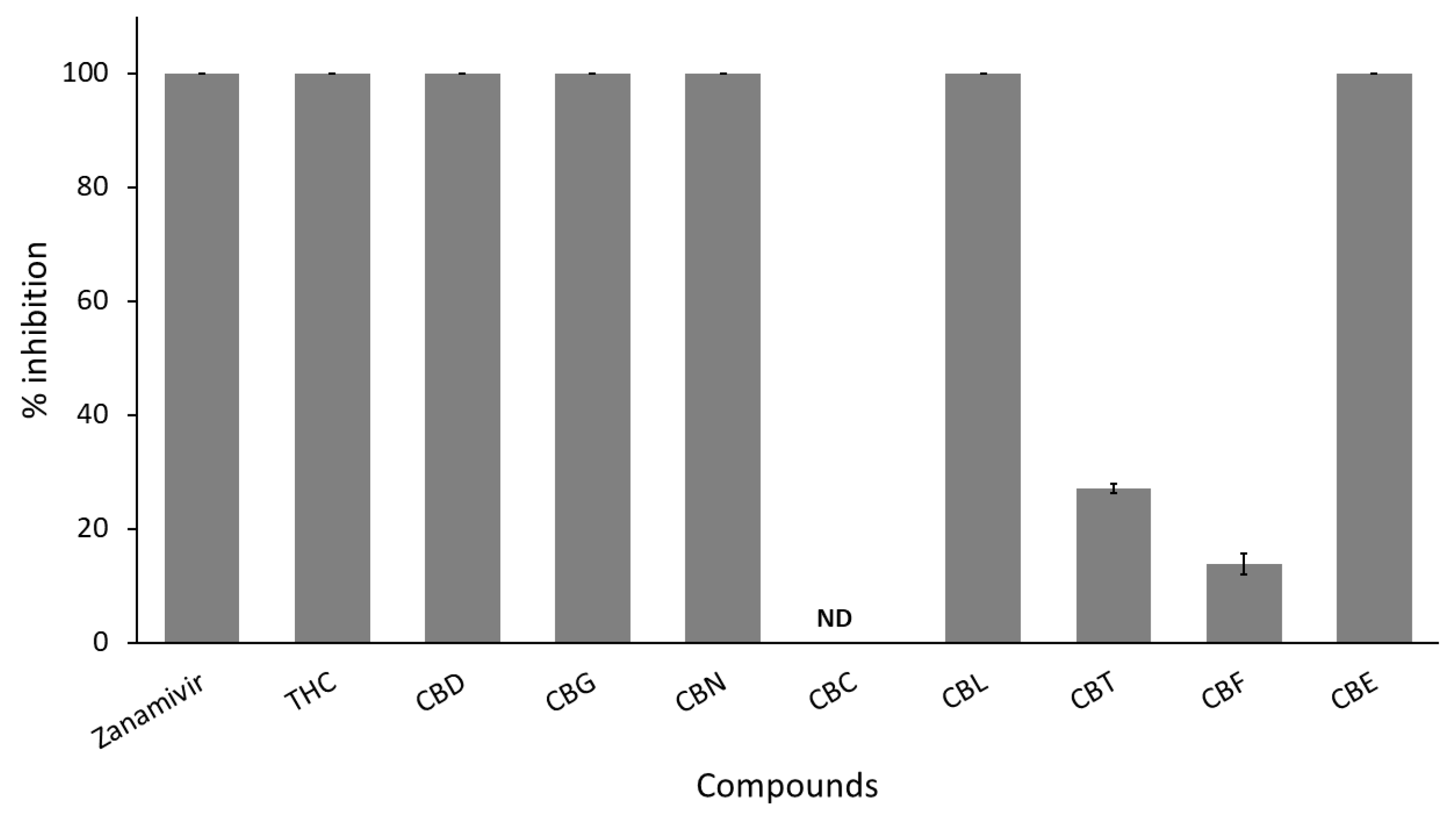
It does not seem likely, therefore, that
taking cannabis away will create an improved medical outcome for the
future, present, or past sufferer from a Covid infection. On the
contrary, the evidence shows the Police action at the time of the
pandemic was an anti-health manoeuvre.
"Lifetime
Cannabis Use Is Associated with Brain Volume and Cognitive Function in
Middle-Aged and Older Adults", report Guha et al (2025):
"Using data from the UK Biobank, which includes health information
from over 500,000 adults, associations between cannabis use, regional
brain volume, and cognition in participants aged 40-70 years (mean age
= 54.5) were evaluated.
Results: Lifetime cannabis use was positively associated with regional
brain volume in CB1-rich regions, including the caudate, putamen,
hippocampus, and amygdala. Greater lifetime use was also linked to
better performance in learning, processing speed, and short-term
memory. Individuals reporting use limited to adolescence also showed
larger regional volumes and better cognitive performance than
non-users. Sex differences in cannabis effects on brain volume and
cognition were also observed."
https://pmc.ncbi.nlm.nih.gov/articles/PMC12889878/ [5718]
Is replacing the
low level of alcohol use in pregnancy (we are not necessarily
referring to Slovenia here) with a low level of cannabis use going to
be a disaster for the offspring? Isn't this just replacing one error
with another? Paige et al (2026) reveal:
"No studies have examined the differential and combined effects of
prenatal alcohol and cannabis exposure (PAE/PCE) on longitudinal
trajectories of adolescent cognitive development."
And set out to do just that, with a sample of 11029.
"Most mothers reported no prenatal alcohol (n = 8257;
74%) or cannabis (n = 10,812; 94%) use. Overall, use was
low: across pregnancy, women reporting any alcohol use averaged 33.31
drinks, and those reporting any cannabis use averaged 33.00 use
occasions. Before including covariates, there were negative main
effects of PCE and positive main effects of PAE on intercepts for all
five cognitive domains. There was little evidence for PCE/PAE effects
on slopes for cognition. After adding covariates, no negative effects
of PCE remained. Small positive PAE effects on intercepts for multiple
domains persisted. Cross‐product terms for combined exposure were not
significant.
"Conclusions
Little evidence emerged for negative effects of low PAE, PCE, or
combined exposure on adolescents' cognitive development after
accounting for sociodemographic factors. Light drinking in families
with social features positively associated with cognitive ability may
result in few negative consequences. This study is the first to
demonstrate weak evidence for adverse differential and combined
low‐level PAE and PCE effects on the development of adolescent
cognition."
https://pmc.ncbi.nlm.nih.gov/articles/PMC13058172/
[6147]
This study did
not assess paternal pre-conception alcohol use.
----------------------------------------------------------------------------
The Englishman
stands for the rights of everyone disadvantaged, discriminated
against, persecuted, and prosecuted on the false or absent bases of
prohibition, and also believes the victims of these
officially-sanctioned prejudices have been appallingly treated and
should be pardoned and compensated.
The Englishman requests the return of his CaPs and other rightful
property, for whose distraint Slovenia has proffered no credible
excuse or cause.
The Benedictions represent both empirical entities as well as beliefs.
Beliefs which the Defence evidence shows may be reasonably and
earnestly held about the positive benefits of CaPs at the population
level, in which the good overwhelmingly outweighs the bad. Below, the
latest version of this dynamic list.
THE BENEDICTIONS
REFERENCES
TIMELINE OF DRUG LAW v. SCIENCE